

The Global Scholarly Directory.
Discover world-class academic programs curated for the modern intellectual. Search through 19877+ degrees and professional certificates.
 Johns Hopkins University
Road Safety & Indigenous Communities: Safe Systems Approach
Motor vehicle traffic deaths affect indigenous communities at a disproportionate rate as compared to the overall United States population. For children and youth ages 0-19, motor vehicle traffic death rates among American Indian and Alaska Native children and youths are up to 8 times higher than those of other racial and ethnic groups. This is often due to structural barriers in tribal communities such as lack of lighting, potholes, cattle, etc. This course dives specifically into the effectiveness of taking a Safe Systems approach to road safety in tribal communities. Perspectives from Safe Systems experts and tribal partners on safe systems approaches to road safety are highlighted as examples from specific communities. The course provides historical context to road safety and specific considerations for roads in tribal nations. Next, the course focuses on how to intervene to create a safe system in communities. In addition, this course will prepare you with information on how to apply for an SS4A grant, with examples from specific communities who have successfully obtained the grant. Throughout the course, resources are provided with tools on how to apply for SS4A grant and how to implement a safe systems approach.
 Fudan University
剪辑:像编剧一样剪辑
剪辑台前,剪辑师就像厨师对待食材一样,摆弄着拍摄现场记录下来的影像片段,用影像和声音去捕捉线索和瞬间,讲述一个故事,同时赋予故事以力量、以情感。怎样平衡剪辑給画面带来的跳跃?当有几条情节线索相互穿插时,又应使用哪些剪辑手法?剪辑过程和编剧的过程一样,以叙事和抒情为最高准则,同时不断突破陈规,创造专属于自己的独特风格。本课程将带领学习者从剪辑开始,认识镜头,认识剪辑的语法,揭开微电影创作的神秘面纱。
 Coursera
Sustainable Practices in High-Tech Manufacturing
As global pressure grows to cut emissions and reduce resource use, high-tech manufacturers face the challenge of achieving sustainability without sacrificing performance or innovation. This practical course equips engineers, operations managers, and sustainability professionals with the skills to integrate sustainable practices into advanced manufacturing environments. Through real-world examples and interactive exercises, you'll learn how to reduce energy use, minimize waste, and improve environmental performance at the facility level. Explore emerging technologies like AI-driven optimization, IoT-based monitoring, and eco-friendly materials that are shaping the future of manufacturing. You’ll also gain an understanding of global sustainability regulations, ESG reporting standards, and carbon credit markets across regions such as the EU, U.S., and India. This course is designed for professionals in manufacturing, operations, and sustainability roles who want to drive measurable environmental impact. It’s equally useful for engineers, plant managers, and corporate leaders looking to align production strategies with ESG and regulatory expectations. Learners should have a basic understanding of manufacturing operations, sustainability principles, and environmental regulations. No advanced technical background is required, but curiosity about technology and innovation will help you get the most out of the course. By the end, you'll be able to implement effective sustainability strategies, navigate compliance requirements, and support your organization’s environmental goals with confidence.
 Coursera
Semiconductor Manufacturing Fundamentals
Fundamentals of Semiconductor Manufacturing is an intermediate level course which provides a comprehensive introduction to the foundational principles, processes, and technologies in semiconductor manufacturing with a specific focus on wafer manufacturing. Learners will dive into the entire journey of a silicon wafer, from raw silicon to packaged functional chip. You will learn the purpose and mechanics of each major process step, including oxidation, photolithography, etching, doping, and thin film deposition. The course will also cover essential quality control concepts, such as cleanroom protocols and yield management. Designed for students with an interest in microelectronics manufacturing, this course bridges theoretical concepts with real-world manufacturing practices, preparing learners for further study or careers in the semiconductor industry. This course is ideal for students, engineers, and technology professionals seeking a foundational understanding of semiconductor manufacturing. It’s also valuable for those entering roles in electronics, materials science, or manufacturing operations, as well as non-technical professionals working in semiconductor-related industries who want to grasp core production concepts. No prior semiconductor experience is required. A basic understanding of physics, chemistry, or electronics will be helpful but not mandatory. By the end of this course, you’ll understand the full semiconductor manufacturing journey, from raw silicon to finished chips, and the key processes, technologies, and quality controls that make it possible.
 Microsoft
User Interface Design and Prototyping
In this course, you will create wireframes, mockups, and prototypes, using Figma and Fluent 2 Design.
 Queen Mary University of London
Research Methodologies
This course focuses on research methodologies. In this vein, the focus will be placed on qualitative and quantitative research methodologies, sampling approaches, and primary and secondary data collection. The course begins with a discussion on qualitative research approaches, looking at focus groups, personal interviews, ethnography, case studies and action research. We will also discuss quantitative research methods with a focus on experimental research design and survey methodology. There will be an exploration of the sampling design process and different sampling approaches, including probability and non-probability sampling as well as sample size and non-response issues. We will look at the nature and scope of primary and secondary data, and the importance of measurement. We will look at the role of the Internet in market research as well as non-comparative scaling techniques. The course ends with a discussion on different data collection approaches, with a focus on observation, content analysis, narrative research, phenomenology, and the collection of data using ethnography.
 The World Bank Group
From Climate Science to Action
Each part of the world faces specific vulnerabilities to climate change and has different opportunities to mitigate the effects and build resilience in the 21st century. With the ratification of the Paris Agreement, many countries have acceded to act in combatting climate change. Indeed, without climate action, decades of sustainable development is at risk, thus making this a ‘make or break’ point in time. Showcasing the most recent scientific evidence, explaining the different regional impacts and divulging climate action strategies, along with interactive tools such as a Carbon Footprint Tracker and (I) NDC Platform, this MOOC provides some opportunities, where you can take action on climate change. About the Course This action-oriented MOOC gives you the opportunity to learn about regional climate change impacts and sector-specific strategies to increase resilience and move towards a low-carbon future. You will have the opportunity to explore these issues in depth and tailor your learning experience for one or more of the following regions: • Latin America and Caribbean • Sub-Saharan Africa • Middle East and North Africa • Eastern Europe and Central Asia • East Asia and Pacific • South Asia In this endeavor, the MOOC brings together renowned scientists and policymakers to provide a synthesis of the most recent scientific evidence on climate change, regional low emissions and climate resilient development strategies across sectors. A team of expert Instructors will lead discussions around the Paris Agreement, reflections from COP22 and the progress on Nationally Determined Contributions (NDCs). Course Syllabus Overview ‘From Climate Science to Action’ is divided into four weeks. The first two weeks will provide a comprehensive overview of the scientific evidence for climate change, followed by region-specific insights on the impacts of a warmer world in the 21st century. The last two weeks will focus on action strategies that are being undertaken in different regions and countries to meet the climate challenge, and how you as an individual can take action to avoid a warmer world! Week 1: Climate Change in the 21st Century • Historical and projected observed changes in the climate system, leading up to the end of the 21st century • The potential of Intended Nationally Determined Contributions (INDCs) submitted at COP 21 from 187 countries to induce climate action • Trends in climate change impacts, including loss of Arctic sea ice, melting glaciers, increased heat waves and extreme temperatures, and drought and aridity • Possible responses from natural systems, explaining how warming could result in sea-level rise, heat waves and extreme temperatures, and ocean acidification Week 2: Sectoral and Regional Impacts • Impacts on key development sectors—from warming above pre-industrial temperatures and projected climate trends—across each of the world’s regions • Sectoral impacts focusing on agricultural production, water resources, ecosystem services, and coastal vulnerability for affected populations • Importance of risks with the potential to reverse hard-won development gains and potentially trap millions in poverty, illustrating the need for urgent action now Week 3: From Science to Action on Climate Change • Region-specific discussions on mitigation actions needed to reduce emissions while decreasing vulnerability to climate change impacts through adaptation and by building climate resilience • Perspectives from regional experts on their experiences in strategies and actions proposed in each region to help transition towards a low-emissions, climate-resilient development path • Discussions on the progress of the Nationally Determined Contributions (NDCs), outcomes of the Paris Agreement and reflections from the Conference of Parties (COP)22 Week 4: What You Can Do • Transformative impact of day-to-day changes when brought to a global scale • The rationale for acting now, acting together and acting differently • Examples and expected benefits of mitigation and adaptation policies, considering both contributions to global emission reductions and local development opportunities In addition to the core resources and assignments, you may choose to go further, engaging in fun optional exercises, networking, discussion, and diving deeper into our rich selection of supplemental resources. You will have the opportunity to explore these issues in depth and tailor your learning experience for one or more of the following regions: • Latin America and Caribbean • Sub-Saharan Africa • Middle East and North Africa • Eastern Europe and Central Asia • East Asia and Pacific • South Asia Course Format This MOOC has a week-by-week structure, with resources, activities and exercises for you to engage in during each of the four weeks of the course. Each week, you will find a variety of course material, including: • Interactive video talks by renowned climate scientists and practitioners • Interactive tools: the Carbon Footprint Tracker, (I) NDC platform • Resources: Core, optional (deep dive) and fun interactives on the week’s theme • Quizzes that check your knowledge, reinforce the lesson’s material and provide immediate feedback • Assignments that will sharpen your skills of analysis, reflection and communication • Discussion forums and social media that enable collaboration with others from around the world, enriching interaction among participants • As a final project, you will create a digital artifact You can also go much further than this, engaging in optional exercises, networking, or discussion forums and dive deeper into our rich selection of additional resources. We also will use e-discussions, and other tools to facilitate dialogue between the learners and experts. Recommended Background: No background knowledge is necessary. The content of this course is designed to be accessible to students from any discipline. Connect: Communicate and share resources via Twitter using hashtag #learnclimate. Sign up for a free account at http://twitter.com
 Microsoft
Data Storage and Management for Big Data
This course provides a comprehensive overview of data storage and management approaches for big data. Learners will explore structured, semi-structured, and unstructured data formats, compare SQL and NoSQL database technologies, and implement data lakes and data warehouses. The course includes working with various file formats and understanding the differences between batch and real-time processing approaches. Course Learning Objectives: By the end of this course, you will be able to: - Compare and implement SQL and NoSQL database solutions for different big data scenarios - Work effectively with structured, semi-structured, and unstructured data formats - Design and implement data lakes and data warehouses for big data workloads - Build data pipelines using ETL and ELT approaches with Azure Data Factory - Differentiate between batch and real-time processing methodologies and implement appropriate solutions
 Coursera
Analyze Box Office Data with Seaborn and Python
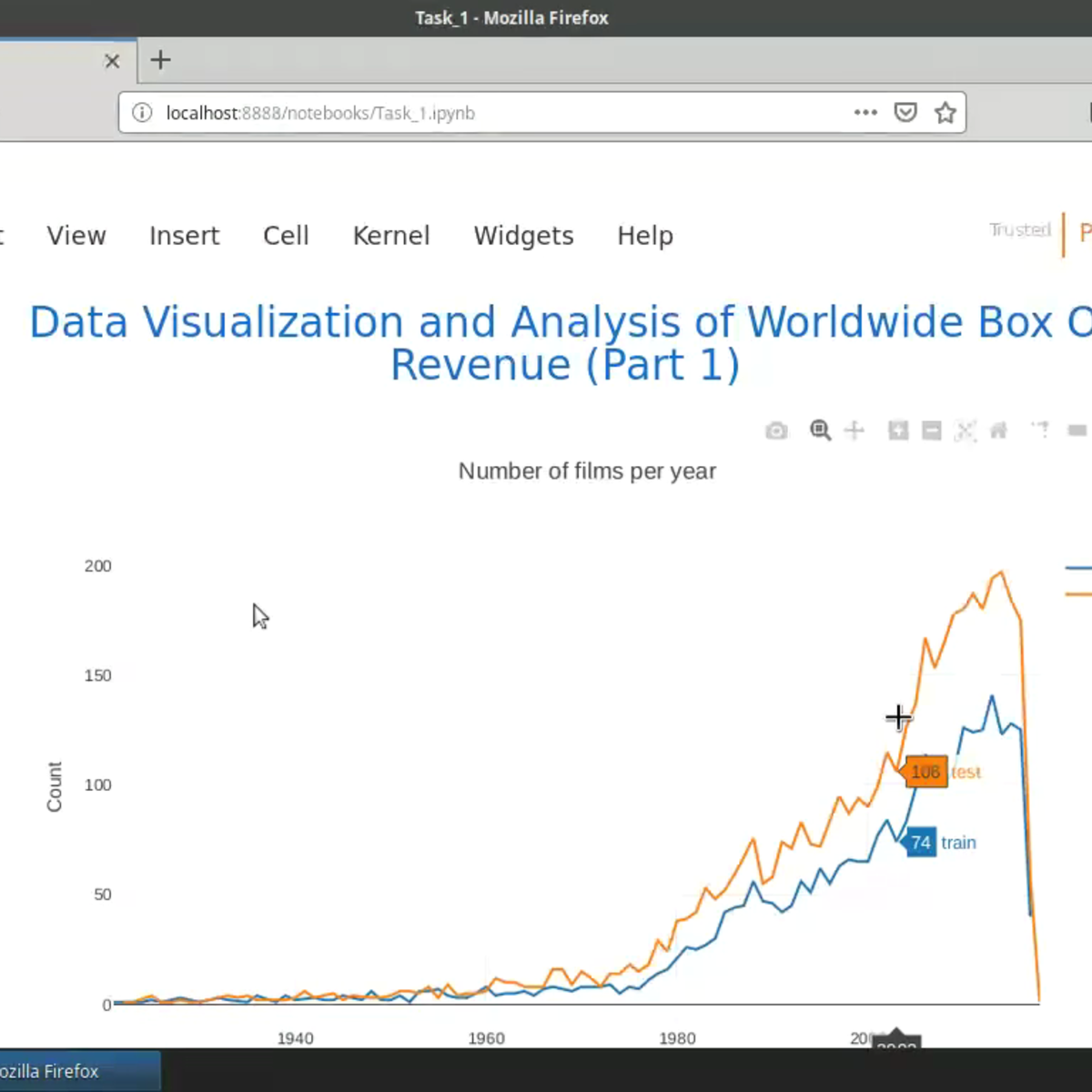
Welcome to this project-based course on Analyzing Box Office Data with Seaborn and Python. In this course, you will be working with the The Movie Database (TMDB) Box Office Prediction data set. The motion picture industry is raking in more revenue than ever with its expansive growth the world over. Can we build models to accurately predict movie revenue? Could the results from these models be used to further increase revenue? We try to answer these questions by way of exploratory data analysis (EDA) in this project and the next. The statistical data visualization libraries Seaborn and Plotly will be our workhorses to generate interactive, publication-quality graphs. By the end of this course, you will be able to produce data visualizations in Python with Seaborn, and apply graphical techniques used in exploratory data analysis (EDA). This course runs on Coursera's hands-on project platform called Rhyme. On Rhyme, you do projects in a hands-on manner in your browser. You will get instant access to pre-configured cloud desktops containing all of the software and data you need for the project. Everything is already set up directly in your internet browser so you can just focus on learning. For this project, you’ll get instant access to a cloud desktop with Python, Jupyter, and scikit-learn pre-installed. Notes: - You will be able to access the cloud desktop 5 times. However, you will be able to access instructions videos as many times as you want. - This course works best for learners who are based in the North America region. We’re currently working on providing the same experience in other regions.
 Arizona State University
Material Jetting and Stereolithography
This course looks at two photopolymer resin-based processes: material jetting and stereolithography. We walk through the build preparation, printing, and post-processing for both processes, and discuss the kinds of applications for which these processes are well suited. The necessary elements for each course are lecture videos, knowledge checks, and project completion. For additional information on certain topics, I've included supplemental readings and videos throughout various lessons that might enhance your knowledge. Because all resources are not available to all students, these materials are optional. In addition, you will note that some of the lectures feature our department’s graduate students. These excellent students are sometimes closer to the material, having learned it recently, so we greatly appreciate their participation in the instructional process.
 Coursera
Analyze Multimodal AI for Business Insights
The future of AI lies in systems that see, hear, and understand like humans do. Multimodal AI models are revolutionizing business intelligence by processing text, images, audio, and video simultaneously—but their true power emerges when professionals can decode their outputs and transform technical complexity into strategic clarity. This Short Course was created to help Machine Learning and AI professionals accomplish the critical bridge between sophisticated multimodal systems and business impact. By completing this course, you'll master the analytical skills to deconstruct model reasoning across data types, evaluate output reliability, and synthesize technical findings into compelling narratives that drive strategic decisions. By the end of this course, you will be able to: - Analyze multimodal model outputs to communicate insights to stakeholders - Evaluate model reliability by assessing confidence levels and identifying potential biases - Synthesize technical findings into clear business narratives for non-technical audiences This course is unique because it focuses on the critical but often overlooked skill of interpretation—teaching you to become the translator between cutting-edge AI capabilities and business value. To be successful in this course, you should have a background in machine learning fundamentals, experience with AI model evaluation, and familiarity with business stakeholder communication.
 Edureka
Multi-Agent Systems with LangGraph
This program introduces Building Stateful & Multi-Agent Systems with LangGraph for developers and AI engineers who want to move beyond single-prompt agents and build reliable, production-ready workflows. You’ll begin by learning how LangGraph executes agent workflows and why state management is critical for correctness, debuggability, and long-running tasks. Next, you’ll work with state reducers, typed state objects, and checkpointing mechanisms that allow agents to persist progress, recover from failures, and resume complex multi-step executions. Through hands-on demonstrations, you’ll implement conditional routing, parallel execution paths, and modular subgraphs to enable dynamic, decision-driven workflows. As you progress, you’ll design human-in-the-loop systems with approvals and interrupts, apply debugging and time-travel analysis using execution logs and snapshots, and build multi-agent systems using supervisor–worker and consensus-based reasoning models for scalable, collaborative agent workflows. By the end of the program, you will be able to: - Explain how LangGraph executes workflows and manages state across agent nodes. - Design stateful agent pipelines using typed state objects and reducer patterns. - Implement checkpointing and recovery mechanisms for long-running agent workflows. - Control execution flow using conditional routing, parallel execution, and subgraphs. - Build human-in-the-loop workflows with approvals, interrupts, and state inspection. - Debug agent systems using execution logs, snapshots, and time-travel analysis. - Design multi-step planner–executor workflows for complex task execution. - Orchestrate multi-agent systems using supervisor–worker and consensus-based models. This program is ideal for AI engineers, backend developers, and system architects who want to build agent systems that are not only intelligent, but also predictable, auditable, and production-ready. Prior experience with Python, LLM fundamentals, and basic agent concepts will help maximize your learning experience. Learners need a reliable internet connection, a modern web browser, and access to Python development tools. The course uses LangGraph and modern LLM APIs, which do not require specialized hardware. Familiarity with LangChain or agent-based workflows is recommended. Join us to learn how to design stateful, multi-agent systems that can plan, recover, coordinate, and reason reliably in real-world applications.
 Microsoft
Cybersecurity Identity and Access Solutions with Azure AD
In this course, you’ll explore the world of authorization and authentication, and understand the concepts of two-step authentication and single sign-on policies. You’ll also become familiar with the features and capabilities of Azure Active Directory (Azure AD), particularly those relating to the benefits of using Azure AD to manage an enterprise’s security requirements including access management, identity governance, and management. This course will take you one step closer to the Microsoft Cybersecurity Analyst Professional Certificate, which requires no degree or prior experience.
 Coursera
GenAI for Front-End Developers
This course delves into how Generative Artificial Intelligence (GenAI) is transforming front-end development. Through discussions, video demos, and guided hands-on activities, you'll discover how GenAI can boost productivity in UI/UX design, code generation, testing, and documentation. Additionally, the course addresses ethical concerns, risks, and best practices for responsible GenAI use in front-end development. This course is ideal for team leads and managers guiding front-end development teams, individual front-end developers seeking to enhance their workflows with GenAI tools, and aspiring front-end developers looking to future-proof their skills and gain a competitive edge in the field. Learners should have a solid understanding of HTML, CSS, JavaScript, and common front-end frameworks like React, Angular, or Vue, along with experience in UI/UX design principles and basic knowledge of version control systems like Git. Additionally, an open mindset towards incorporating GenAI tools and a willingness to experiment with new technologies are essential. Whether you're an experienced front-end developer looking to stay ahead of the curve or an aspiring professional seeking to future-proof your skillset, this course provides a foundation that will empower you to unlock new levels of efficiency, productivity, and creativity in your work.
 Imperial College London
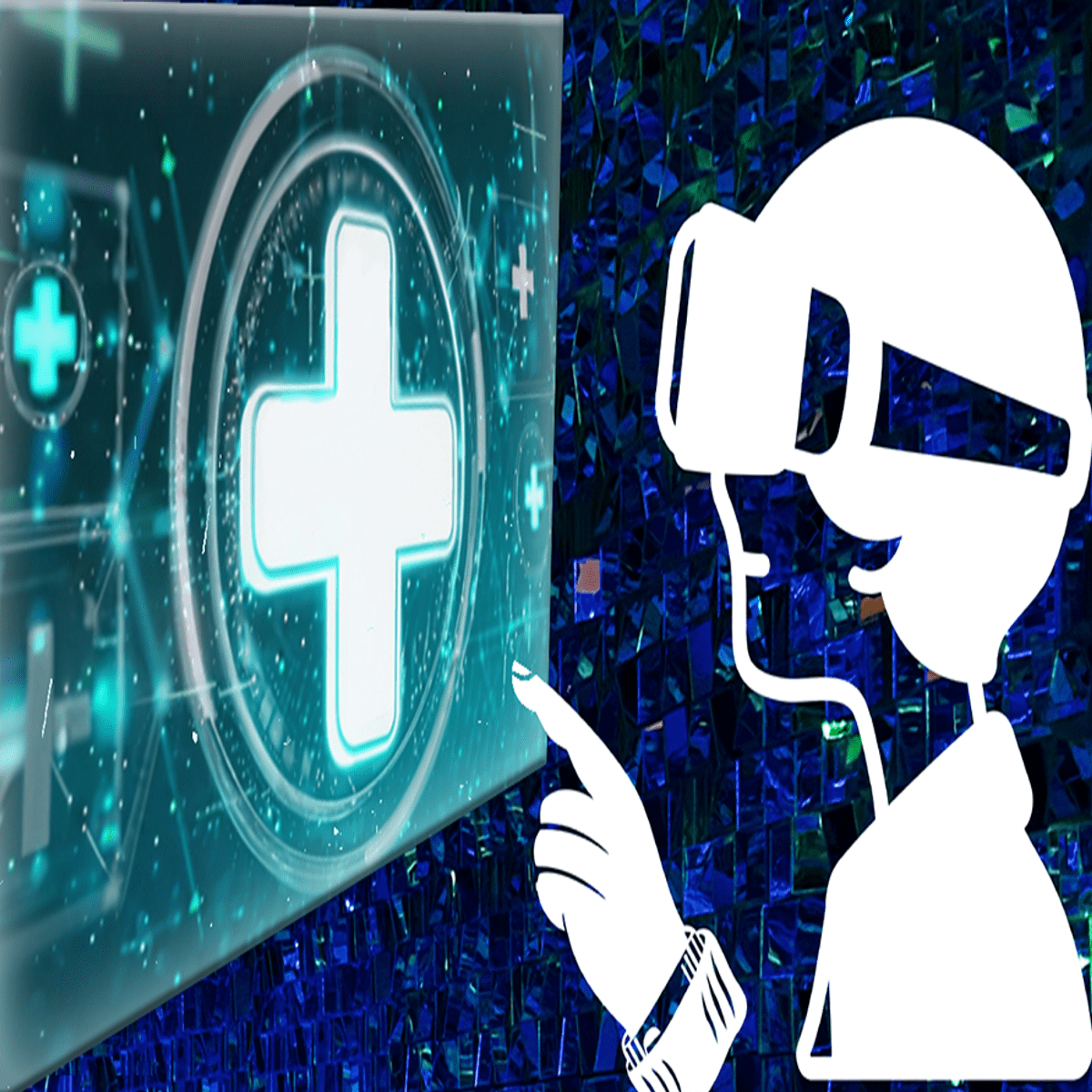
XR in Healthcare Education and Clinical Practice
This course is designed to teach you about Extended Reality (XR) and how it's used in healthcare education and clinical practice. Using lessons from experts in the field and different case studies, this course shows you how to use this innovative technology in a way that creates sustainable, accessible real-world applications. The course considers Extended Reality (XR) from a number of perspectives. First of all, you will learn about the hardware and software considerations, then focus on education structures and frameworks and how Extended Reality is applied appropriately within this context. The final two weeks demonstrate how XR has been applied in real-world clinical practice and how you can best make use of the technology by understanding the impact of interdisciplinary expertise in the field. Overall, this course will help you to advance your use of Extended Reality, whatever your background, in clinical training and technologically-enhanced healthcare education contexts. You will also have the optional pathway of developing a business case alongside fellow learners. The business case can be the first step in promoting your XR idea or project to different stakeholders.
 Stanford University
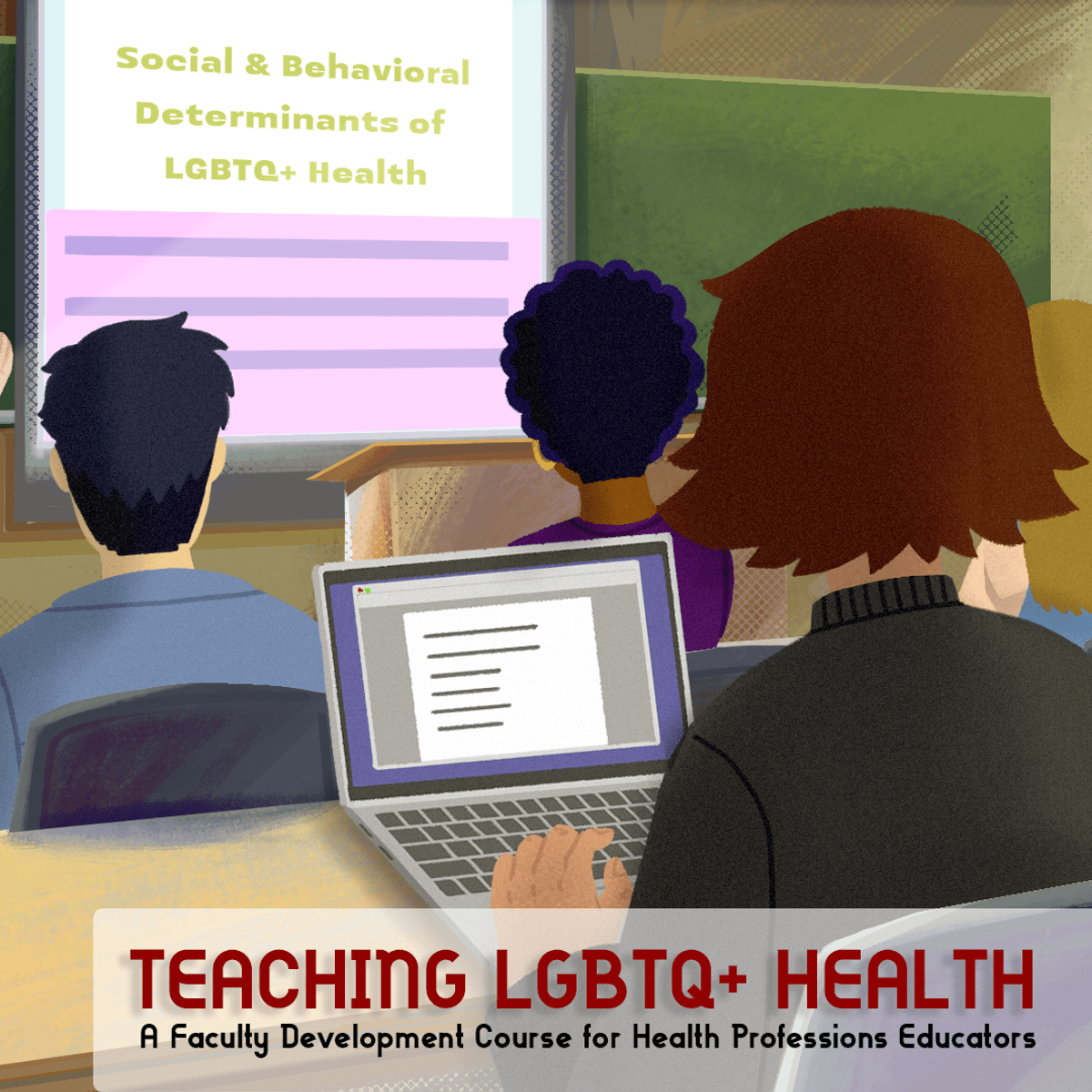
Teaching LGBTQ+ Health
This curriculum is designed for faculty members and health professions educators. The course goals are to improve your knowledge, teaching skills, and attitudes pertaining to the provision of health care to LGBTQ+ patients.e.g. This is primarily aimed at first- and second-year undergraduates interested in engineering or science, along with high school students and professionals with an interest in programming.