

The Global Scholarly Directory.
Discover world-class academic programs curated for the modern intellectual. Search through 19877+ degrees and professional certificates.
 University of Virginia
Effectuation: Lessons From Expert Entrepreneurs
Have you ever wondered what it would be like to be an entrepreneur? To start new ventures, build and grow them, be your own boss, create good jobs for other people, make money, and change the world for the better? Do you dream about becoming an entrepreneur but worry that it may be too difficult, require more resources than you have, or involve too much responsibility? Do you fear you don’t have what it takes, or that you might fail not just once, but over and over again? In this course, developed at the University of Virginia Darden School of Business and taught by Saras Sarasvathy (Paul M. Hammaker Professor in Business Administration), you will learn how effectual entrepreneurship helps overcome four obstacles people commonly face when they think about becoming an entrepreneur. We will not be going into the nitty gritty details of starting a new venture. Instead, we will explore the lived experiences of entrepreneurs around the world--people who have built for-profit, non-profit, and other kinds of ventures. You will learn from these expert entrepreneurs how to think and act effectually, co-create new possibilities from things already within your control, and tackle uncertainty without having to predict the future.
 Niel Asher Education
Sports Nutrition Principles for Performance and Recovery
By the end of this course, you will (1) apply evidence-based nutrition principles to athletic training and (2) design tailored fueling strategies to enhance performance and recovery. Taught by Stephanie Hnatiuk, RD—Registered Dietitian and Performance Nutrition Expert—this course provides a practical foundation in macronutrients, hydration, supplementation, and meal timing. You’ll learn how to assess individual needs and adjust nutrition plans for varying training loads, body composition goals, and sport demands. Video lectures, applied examples, and resources translate complex science into actionable strategies for real athletes and clients. What makes this course distinct is its integration of nutrition and performance, giving health and fitness professionals the tools to guide clients toward sustainable results and peak function.
 LearnQuest
Artificial Intelligence Privacy and Convenience
In this course, we will explore fundamental concepts involved in security and privacy of machine learning projects. Diving into the ethics behind these decisions, we will explore how to protect users from privacy violations while creating useful predictive models. We will also ask big questions about how businesses implement algorithms and how that affects user privacy and transparency now and in the future.
 Universidad Nacional Autónoma de México
Contabilidad para no contadores
En este curso, ofrecido por la UNAM, vas a entrar al fascinante mundo de la contabilidad. Esta técnica te permitirá tomar decisiones en tu vida empresarial, corporativa, personal, profesional y de emprendedor. Entrarás al mundo de la Contabilidad para no Contadores. Vas a lograr definir qué es la contabilidad, en qué consiste y cuáles son sus principios fundamentales. También descubrirás su utilidad en tu vida cotidiana y al profesional al que debes recurrir y confiar tu vida contable. Además, podrás saber qué nos dice la información financiera, qué y cómo debemos leerla y qué decisiones tomar basados en ella. Prepárate para conocer los principales Estados financieros, sus elementos y su utilidad en tu vida contable. ¡Bienvenid@!
 EDUCBA
Master Securities Lending Accounting: Analyze & Apply
Learners will explain securities lending fundamentals, analyze collateral and revenue mechanics, compute investment pool allocations, and evaluate accounting treatments shaped by market and legal structures. This course provides a complete, real-world pathway to mastering the accounting framework behind the global securities lending market. Through structured modules and scenario-based lessons, learners gain practical insights into collateral management, investment revenue calculations, CCP operations, and fair-value reporting. The curriculum breaks down complex topics—such as rebate fees, pool earnings, present accounting, and legal variances—into approachable, workflow-oriented steps. By completing the course, learners will strengthen their technical accounting capabilities, improve risk-assessment skills, and build confidence in applying industry standards across diverse lending transactions. Whether learners work in operations, accounting, auditing, compliance, or investment functions, the course equips them with tools to interpret, record, and evaluate lending activity with accuracy and strategic clarity. What makes this course unique is its blend of practical accounting entries, real-market mechanisms, and step-by-step collateral logic, ensuring learners move beyond theory into applied mastery of securities lending.
 University of Pennsylvania
ESG Risks and Opportunities
In this course, you will explore the foundations upon which modern-day ESG was built, how market forces react to ESG, and ways to create and maintain value using ESG investment strategies. You will also learn about the five pathways of materiality, and how those interplay with or against ESG performance. You will examine the many challenges that corporations face when it comes to leveraging ESG investing into their portfolios, and how the changing landscape of ESG is making this an area of untapped potential when it comes to the financial workings of businesses today. You'll also learn from real-life case studies how you can assess risk, create better risk management policy, and build a map to identify valuable areas of opportunity and create better decision-making approaches. Lastly, you will look at portfolio optimization and the utilization of ESG factors to maximize returns in addition to examining different funds, their fee structures, and how investors can blend ESG into their investment portfolio. By the end of this course, you will know the best practices for creating a solid risk management plan and how to create a culture that is sensitive to ESG. You will better understand the history and framework behind ESG, and how to create a path forward using smarter methods to identify risk, navigate ESG issues, and reach ESG investing goals.
 Edureka
Advanced Data Handling and Reactive Programming Concepts
This Advanced Data Handling and Reactive Programming Concepts course equips you with advanced techniques to build, scale, and maintain Angular applications. You will focus on data management, reactive programming, performance optimization, security, accessibility, and internationalization. Learn to leverage RxJS for asynchronous operations, design dynamic forms with advanced validation, and manage application state effectively using NgRx. You’ll also gain hands-on expertise in optimizing app performance, securing applications, and ensuring inclusivity through accessibility and multilingual support. By the end of this course, you’ll be able to: - Apply RxJS and NgRx to manage complex data and create reactive Angular applications. - Design dynamic forms and evaluate advanced validation techniques to enhance user interaction. - Analyze application performance and implement security strategies to mitigate common vulnerabilities. - Build inclusive applications by implementing accessibility standards and internationalization features. Who should take this course: This course is ideal for front-end developers, web developers, software engineers focused on building complex and scalable Angular applications, and professionals aiming to deepen their expertise in advanced Angular development practices. Prerequisites: A fundamental understanding of Angular fundamentals, including components, services, modules, and basic data binding, is required to take this course. Enroll in this course to acquire the skills necessary for optimizing your Angular applications, making them high-performing, secure, and accessible.
 Coursera
AI Agents: Multi-Agent Design & Governance
This course explores the design and governance aspects of multi-agent AI systems - autonomous agents that collaborate, compete, and coordinate to achieve complex goals. Learners will gain a deep understanding of how to design, build, and govern multi-agent ecosystems, from defining core agent capabilities to orchestrating interactions at scale. The course emphasizes real-world applications, exploring how leading companies like LinkedIn, Anthropic, and Amazon deploy agentic AI to solve enterprise problems. Learners will explore the principles of coordination, communication protocols, and governance models, along with ethical and regulatory considerations for safe deployment. This course is ideal for AI enthusiasts, software developers, data scientists, and product managers who want to understand how multi-agent systems work in real-world environments. It’s also valuable for professionals working on AI governance, system design, or scalable automation projects. Learners should have a basic understanding of AI concepts and general computer science principles. No advanced AI or governance experience is required, making this course accessible to anyone eager to explore multi-agent systems and their design. By the end of the course, learners will have a practical foundation to design multi-agent workflows, evaluate performance trade-offs, and implement governance strategies that ensure responsible and efficient agent collaboration in business and research environments.
 Packt
Packt
Atmosphere, AI, Famous Horror Mechanics, and Final Touches
Updated in May 2025. This course now features Coursera Coach! A smarter way to learn with interactive, real-time conversations that help you test your knowledge, challenge assumptions, and deepen your understanding as you progress through the course. This course teaches you how to master atmospheric level design and integrate famous horror mechanics into your game, along with powerful AI systems. Beginning with atmosphere and level design, you'll learn how to create eerie environments using advanced lighting, post-processing, fog, and ambient sounds to set the mood. You'll also explore how to design immersive scenes with depth-of-field effects and dust particles, perfecting the visual atmosphere of your horror game. Next, the course focuses on recreating iconic mechanics from some of the most popular horror games, including the camera systems from Outlast, Resident Evil, and Five Nights at Freddy's. These mechanics are essential for adding tension and enhancing player immersion. You’ll learn to build functional camera systems that add new layers of gameplay to your horror project. The final section dives into AI behavior, where you’ll create patrolling enemies that can chase, investigate, and even pull players from hiding spots. You'll develop intelligent AI enemies capable of dynamic interactions such as following the player, opening doors, and triggering jumpscares. By the end of this course, you will have completed a polished horror game with atmospheric environments, sophisticated AI, and iconic horror game mechanics. This course is designed for intermediate to advanced Unreal Engine users who are interested in creating atmospheric horror games with AI-driven enemies. Prior experience with Unreal Engine and game development is recommended.
 Technion - Israel Institute of Technology
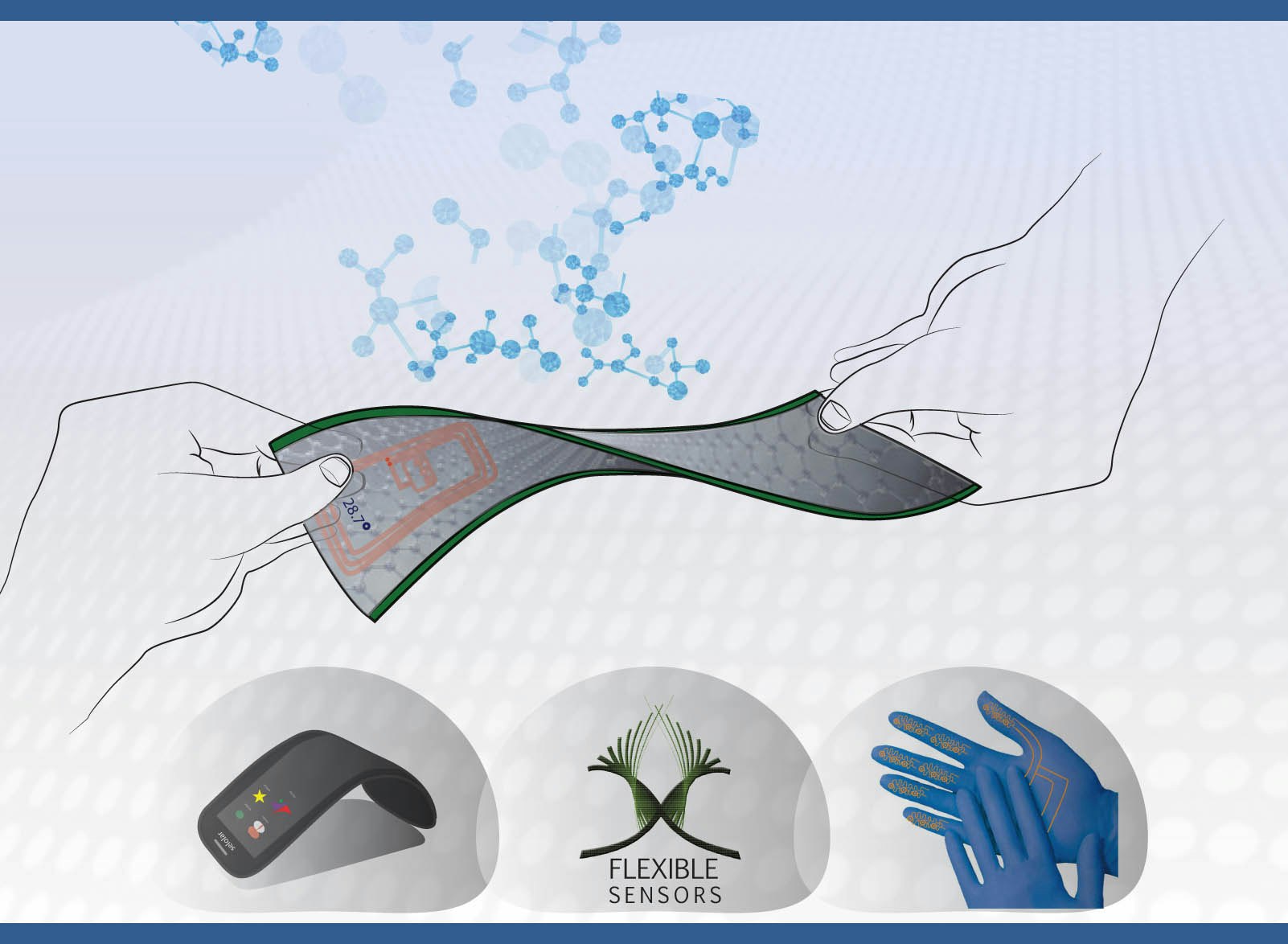
Nanotechnology and Nanosensors, Part1
Nanotechnology and nanosensors are broad, interdisciplinary areas that encompass (bio)chemistry, physics, biology, materials science, electrical engineering and more. The present course will provide a survey on some of the fundamental principles behind nanotechnology and nanomaterials and their vital role in novel sensing properties and applications. The course will discuss interesting interdisciplinary scientific and engineering knowledge at the nanoscale to understand fundamental physical differences at the nanosensors. By the end of the course, students will understand the fabrication, characterization, and manipulation of nanomaterials, nanosensors, and how they can be exploited for new applications. Also, students will apply their knowledge of nanotechnology and nanosensors to a topic of personal interest in this course. ---------------- COURSE OBJECTIVES The course main objective is to enhance critical, creative, and innovative thinking. The course encourages multicultural group work, constructing international 'thinking tanks' for the creation of new ideas. Throughout the course, you will be asked to reflect upon your learning, think "out of the box", and suggest creative ideas. The course is set to encourage the understanding of: 1. The importance of nanoscale materials for sensing applications. 2. Approaches used for characterizing sensors based nanomaterials. 3. Approaches used for tailoring nanomaterials for a specific sensing application. 4. Metallic and semiconductor nanoparticles. 5. Organic and inorganic nanotubes and nanowires. 6. Optical, mechanical and chemical sensors based on nanomaterials. 7. Hybrid nanomaterial-based sensors. ---------------- We recommend that you read the following supplementary reading materials: -Jiří Janata, Principles of Chemical Sensors, Springer, 2d Edition (1989). -Roger George Jackson, Novel Sensors and Sensing, CRC Press (2004). _ _ _ _ _ _ _ _ _ _ _ _ _ _ _ _ _ _ Teaching Team About Professor Haick Hossam Professor Hossam Haick is an expert in the field of nanotechnology, nanosensors, and non-invasive disease diagnosis. Prof. Haick is the recipient of the prestigious Marie Curie Excellence Award, ERC Award, and the FP-7 Health Award. He is also the recipient of more than 42 international honors and prizes for his achievements, including a Knight of the Order of Academic Palms (conferred by the French Government) and the “List of the World’s Top 35 Young Scientists”, and the Discovery Award of the Bill & Melinda Gates. Prof. Haick is the founder and the leader of a European consortium of eight universities and companies for the development of advanced generation of nanosensors for disease diagnosis. He also serves as an associate editor of the two journals and serves as an advisory consultant to the Chemical Abstracts Service (CAS) – the world's authority for chemical information - a senior scientific advisory member of several national and international companies and institutes, and as a scientific evaluator in the European Commission. Email: hhossam@technion.ac.il _ _ _ _ _ _ _ _ _ _ _ _ _ _ _ _ _ _ Course Staff Meital Bar-Segev, Teaching Assistant: Received her B.A. (Cum Laude) in Chemistry and B.Sc (Cum Laude) in Materials Engineering from the Technion – Israel Institute of Technology (both in 2010). During her studies, she worked in a student position at Tower Semiconductors Ltd. After graduation she worked at Alfred Mann Institute in the Technion (AMIT) as a process development engineer. Currently, she performs her Ph.D. degree (direct track) in the Russell Berrie Nanotechnology Institute (RBNI) of the Technion under the supervision of Prof. Hossam Haick. The research of Meital focuses is the development of electronic skin based on nanoparticles. Abeer Watted, Teaching Assistant: Received her B.Sc. and M.Sc. in Transportation and Highways Engineering from the Technion. She is a Ph.D. student at the Faculty of Education in Science and Technology at the Technion, under the supervision of Asst. Prof. Miri Barak. She received a second master degree in Educatu in Science and Technology from the Technion in 2013. Her research focuses on science education and inquiry-based laboratories. Currently, Abeer works as a lecturer at Al-Qasemi Academic College of Education, where she serves also as the head of Civil Engineering Department. Maya Usher, Teaching Assistant: Received her B.A. and M.A. (Cum Laude) in Communication Studies from Sapir Academic College and Ben Gurion University- Israel (2009; 2013 respectively). Currently, Maya is a PhD. candidate at the Faculty of Education in Science and Technology at the Technion, under the supervision of Asst. Prof. Miri Barak. Her research focuses on examining online collaborative learning in small multicultural groups. Muhammad Khatib, Teaching Assistant: Received his B.Sc in Biochemical Engineering from the Technion – Israel Institute of Technology (2015). His final research project, conducted with Prof. Avi Schroeder, dealt with harnessing liposome-based drug delivery systems to applications in precise agriculture. Currently, he performs his Ph.D. (special track) in the Department of Chemical Engineering of the Technion under the supervision of Prof. Hossam Haick, and his research focuses on self-healing devices for monitoring infectious diseases. Miri Barak, Pedagogical Advisor: Assistant Professor at the Faculty of Education in Science and Technology, Technion- Israel Institute of Technology. She is the Head of the Science and Learning Technologies group and the advisor of graduate students. Her academic activities focus on developing, integrating, and evaluating science education curricula at school and higher education levels. Her studies involve the use of information and communication technologies (ICT), with emphasis on emerging web-2.0 and cloud applications, to foster meaningful learning and high-order thinking.
 University of Illinois Urbana-Champaign
Cluster Analysis in Data Mining
Discover the basic concepts of cluster analysis, and then study a set of typical clustering methodologies, algorithms, and applications. This includes partitioning methods such as k-means, hierarchical methods such as BIRCH, and density-based methods such as DBSCAN/OPTICS. Moreover, learn methods for clustering validation and evaluation of clustering quality. Finally, see examples of cluster analysis in applications.
 Universidad Nacional Autónoma de México
Los gobiernos locales como actores internacionales
Este curso ofrece un panorama general de la irrupción de los gobiernos locales en la escena internacional. Revisaremos las nuevas tendencias y dinámicas en las relaciones internacionales de los gobiernos locales, mediante fundamentos teóricos con base en la práctica. El objetivo es introducir a profesionales, investigadores, académicos y público en general, en las nuevas tendencias y dinámicas en las relaciones internacionales de los gobiernos locales. Con este curso podrás: •Desarrollar una visión general del fenómeno que constituye la entrada de los gobiernos locales en la esfera internacional. •Reconocer los principales objetivos que persiguen los gobiernos locales al buscar la internacionalización. •Reconocer la importancia del trabajo en redes como una de las modalidades de acción más frecuentes entre las ciudades. •Analizar las relaciones y los eventuales conflictos que se están desarrollando entre los GL y los gobiernos nacionales. •Valorar si su propia ciudad puede contar con apoyo del gobierno central y/o de los actores locales en caso de querer plantear, planificar y desarrollar una acción internacional. •Identificar los beneficios que la ciudadanía puede obtener de la acción internacional de su municipio Este curso es una colaboración del Programa Universitario de estudios sobre la Ciudad de la Universidad Nacional Autónoma de México (PUEC-UNAM, el Gobierno de la Ciudad de México y la Alianza Euro Latinoamericana de Cooperación entre Ciudades (AL-LAs).
 Codio
Codio
Multimodal Generative AI: Vision, Speech, and Assistants
We are introducing a new course to replace the "Coding with ChatGPT" course in the Generative AI specialization. This updated course will cover materials, models, and content released in 2024. Some of the new additions include material on using AI for image-to-text (vision), text-to-speech, speech-to-text, and the Assistant API. All these topics come with new labs, lessons, and exercises.
 John Wiley & Sons
Change Management and Organizational Transformation
Based on the best-selling book, Change, by John P. Kotter, Vanessa Akhtar, and Gaurav Gupta. Change is no longer an occasional challenge—it is a constant leadership responsibility. This course explores how organizations and leaders can navigate disruption, uncertainty, and transformation while continuing to create value in a rapidly evolving world. Learners will develop practical skills to plan, lead, and sustain change initiatives that deliver real results. From digital transformation and restructuring to cultural evolution and agile execution, the course equips you to turn uncertainty into opportunity. What sets this course apart is its integration of emerging science, proven frameworks, and real-world examples. You’ll learn how strategic intent, leadership behavior, and organizational design come together to enable scalable and lasting change. This course is ideal for leaders, managers, consultants, and professionals involved in strategy, transformation, or organizational development. A basic understanding of business or leadership concepts is helpful but not required. This course prepares you to lead effectively in the new normal by empowering more people, enabling innovation, and building organizations that can continuously adapt. From Change 2021 by Kotter International, Inc. All rights reserved. Published by John Wiley & Sons, Inc., Hoboken, New Jersey. Used by arrangement with John Wiley & Sons, Inc.
 EDUCBA
Master Microsoft Excel: Apply, Analyze & Visualize Data
Learners will be able to apply core Excel operations, construct formulas and functions, analyze datasets with PivotTables, and visualize results using charts while troubleshooting common errors. By completing this course, participants will build the confidence to manage data effectively, automate decision-making, and present insights professionally. This comprehensive beginner-friendly program starts with navigating Excel’s interface, worksheets, and file management. Learners then advance into formatting basics and custom styles before mastering essential formulas, logical functions, and conditional calculations. The course further explores advanced data management tools such as tables, filtering, freezing panes, and page layouts, culminating with PivotTables, interactive charts, and error handling strategies. What makes this course unique is its practical, step-by-step approach, guiding learners from foundational skills to real-world applications. With structured lessons, hands-on examples, and scenario-based exercises, learners not only gain theoretical knowledge but also develop job-ready Excel skills. Whether for academic projects, business reporting, or career advancement, this course provides a strong foundation in Excel for data-driven decision-making.
 EDUCBA
Analyze and Apply Credit Rating Processes and Models
Learners will be able to analyze credit risk, evaluate borrower financial strength, interpret internal and external credit ratings, and apply credit rating models to real-world lending decisions. This course provides a comprehensive, end-to-end understanding of the credit rating process used by banks, financial institutions, and credit analysts. By completing this course, learners will gain practical skills in credit appraisal, cash flow analysis, financial statement interpretation, ratio analysis, working capital assessment, and credit risk evaluation. The course equips learners to make informed, risk-aware credit decisions and strengthens their ability to assess borrower creditworthiness across different stages of the lending lifecycle. What makes this course unique is its integrated approach—connecting foundational credit concepts with applied credit rating models, external rating frameworks, and real-world lending decision processes. Rather than focusing on theory alone, the course emphasizes structured evaluation frameworks, practical interpretation techniques, and end-to-end credit risk management. This makes it especially valuable for aspiring credit analysts, banking professionals, finance students, and anyone seeking a practical, job-relevant understanding of credit rating processes and models.