

The Global Scholarly Directory.
Discover world-class academic programs curated for the modern intellectual. Search through 19877+ degrees and professional certificates.
 Google Cloud
Google Workspace User and Resource Management
This course was designed to provide an understanding of user and resource management in Google Workspace. Learners will explore the configuration of organizational units to align with their organization's needs. Additionally, learners will discover how to manage various types of Google Groups. They will also develop expertise in managing domain settings within Google Workspace. Finally, learners will master the optimization and structuring of resources within their Google Workspace environment.
 Coursera
Azure: Create a Virtual Machine and Deploy a Web Server
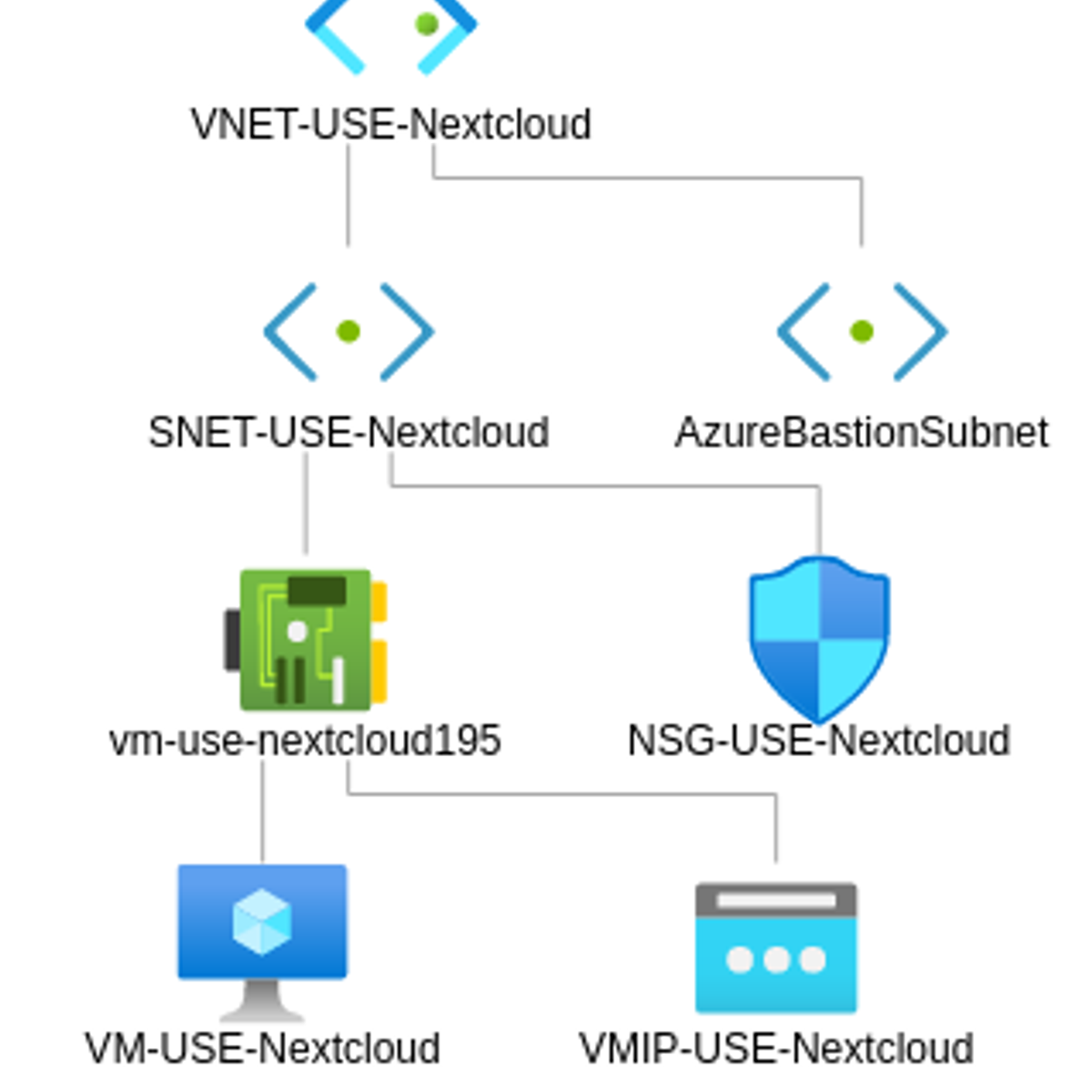
In this Guided Project, you will create a Virtual Machine in Azure to deploy a web server, specifically a Nextcloud server. Instead of using just the presets, you will explore how the basic architecture of Azure works, by creating a Virtual Machine, connecting it to a subnet, protected by inbound and outbound rules thanks to Network Security Groups, in a Virtual Network. You'll also learn how to use Bastion to connect to the machine via SSH, without exposing an external port to the Internet, and then installing a simple Nextcloud server and make the Virtual Machine available to you by opening a public IP and a DNS label. Note: before taking this Guided Project, if you don't have an Azure subscription yet, please create an Azure Free Trial beforehand at https://portal.azure.com
 Google Cloud
Security Best Practices in Google Cloud en Français
Ce cours en auto-formation présente une étude approfondie des contrôles et techniques de sécurité sur Google Cloud. À travers des présentations, des démonstrations et des ateliers pratiques, les participants découvrent et déploient les composants d'une solution Google Cloud sécurisée, y compris les technologies de contrôle des accès à Cloud Storage, les clés de sécurité, les clés de chiffrement fournies par le client, les contrôles d'accès aux API, les champs d'application, les VM protégées, le chiffrement, et les URL signées. Le cours aborde également la sécurisation des environnements Kubernetes.
 The University of Edinburgh
Animal Welfare in the Clinic
Why is the experience of going to the vets a negative one for some animals? Is it the anticipated pain, the way the place smells, the colour of the waiting room, the noises coming from the consulting room, or something else? What can vets, vet nurses, animal carers, and owners do to ensure that the welfare of the animal is supported at every stage of the clinical visit (from transportation, waiting area, examination, operating room, and recovery)? In this course, leading experts in the field of animal behaviour, welfare, veterinary medicine, and industry provide an insight into practical approaches and considerations for improving and maintaining animal welfare in the clinic. Learners can apply for Financial Aid directly with Coursera to assist with the cost of accessing the full course and gaining a certificate for successfully completing the course.
 EDUCBA
Hedge Funds: Leverage, Accounting & Risk
Learners will analyze hedge fund strategies, evaluate leverage practices, apply accounting techniques, and assess risk management tools through real-world case studies. This course equips participants with the ability to interpret fund structures, calculate NAV, measure exposures using Value at Risk (VaR), and evaluate failures like LTCM and Amaranth to strengthen modern investment practices. By completing this program, learners gain practical insights into hedge fund operations, taxation rules, and the economic impact of legendary funds. They will develop the ability to apply advanced risk management methods, interpret offshore structures, and assess stress-testing outcomes to manage systemic challenges effectively. What makes this course unique is its combination of technical foundations and practical applications, blending quantitative methods with real-world hedge fund case studies. With a balance of theoretical depth and applied knowledge, learners will be able to confidently analyze hedge fund performance and evaluate strategic decisions in global financial markets.
 EDUCBA
Corporate Valuation - DCF and Relative Valuation
This course equips learners with the analytical tools and valuation frameworks used in modern corporate finance to estimate a company's worth. Designed for finance professionals, analysts, and advanced business students, the course blends theoretical concepts with practical modeling strategies to enable valuation from both intrinsic and relative perspectives. Through structured video lessons and graded assessments, learners will explain valuation fundamentals, apply the Dividend Discount Model (DDM) for intrinsic valuation, and construct detailed Discounted Cash Flow (DCF) models by forecasting financials and calculating free cash flows. The course further guides learners to analyze enterprise and equity value distinctions, evaluate sector-specific valuation multiples like PE, PBV, and PCF, and compare the advantages and limitations of each approach. By the end of the course, learners will be able to assess a firm's financial worth using industry-relevant valuation methods, justify assumptions used in model construction, and interpret valuation outputs with confidence and clarity.
 National Taiwan University
紅樓夢-母神崇拜 (The Red Chamber Dream (2))
《紅樓夢》不只是一部青春紀事,更是一闋母神的頌歌;它既熱烈地宣揚了少女之美,卻也莊嚴地禮讚著母性力量。本次課程將聚焦在女媧─警幻─賈母─元妃─王夫人─劉姥姥六位成熟女性,針對其在書中扮演角色的功能與位置,進行深入的剖析,重新辨明這些「母神」具備的崇高形象。
 L&T EduTech
Project Planning and Execution Management
The course, titled "Project planning and execution management," is designed to provide a thorough exploration of Schedule management, Resource management, Risk Management and Cost management. In the First module, the course begins with a fundamental tool like bar charts, laying a strong foundation for project scheduling. Next, the learners will explore the network diagrams, strengthening their ability to construct and analyze them for effective project workflow management. Then focus is on activity duration estimates, which aims to equip the learners with techniques for accurate time predictions, essential for creating realistic project timelines. As we conclude, the learners will not only grasp the components of project scheduling but also gain practical skills to apply this knowledge in real-world situations. In the Second module, the learners will gain in-depth insights into the Critical Path Method (CPM), a tool for identifying the sequence of tasks critical for project completion. The course will guide the strategic use of lead and lag time in task dependencies, allowing learners to fine-tune project schedules for optimal efficiency without impacting project timelines. The course will also cover the Precedence Diagram Method (PDM), offering you a powerful tool to visualize and analyze task relationships. In the Third module, the course begins with a deep understanding of resource allocation, a fundamental concept in project planning. The learners will explore strategies to efficiently assign resources, ensuring optimal utilization while meeting project goals. The learners will learn techniques to balance workloads, avoiding resource overloads or underutilization, resulting in a more efficient and sustainable project plan. Leaners will go through methods such as crashing and fast-tracking, enhancing their ability to meet tight deadlines without compromising quality. In the Fourth module, the course begins with the essentials of cost management, learning how to meticulously estimate, budget, and analyze project costs. The course will cover the intricacies of cost estimation, guiding participants on accurate methods to forecast project expenses. A significant portion of the course will be dedicated to Earned Value Management (EVM) analysis, a powerful tool for measuring project performance. In the Fifth module, the course begins with identification of potential risks that could impact project success. Then, the learners will explore strategies for effective risk allocation, ensuring a balanced distribution of responsibilities to mitigate and address potential threats. The course will delve into the intricacies of risk analysis, equipping learners with techniques to assess the likelihood and impact of identified risks. The course will be dedicated to understanding various risk response strategies, from risk avoidance and mitigation to acceptance and transfer.
 Packt
Packt
Spring Boot Foundations
Updated in May 2025. This course now features Coursera Coach! A smarter way to learn with interactive, real-time conversations that help you test your knowledge, challenge assumptions, and deepen your understanding as you progress through the course. Embark on a comprehensive journey into Spring Boot with this course tailored for aspiring developers and seasoned programmers alike. By the end, you’ll have a robust understanding of how to build production-ready, scalable applications using this powerful Java framework. The course kicks off with an introduction to Spring Boot, providing an overview of its features, goals, and how it stands out in the Java ecosystem. Through a hands-on approach, you’ll set up your environment, create your first project, and dive deep into the framework’s magic, from starter projects to autoconfiguration, Spring Boot DevTools, and beyond. Next, we guide you step-by-step in developing a fully functional web application. You’ll learn how to implement features like login systems, session handling, and Todo management while exploring the seamless integration of tools like JPA, Hibernate, and Spring Security. Each concept is reinforced with practical exercises, helping you build confidence in real-world application development. Whether you’re a beginner looking to understand Spring Boot or an intermediate developer wanting to master its advanced features, this course is designed for you. With no prior Spring Boot knowledge required, all you need is basic Java programming experience and the drive to enhance your skills.
 Alex Genadinik
Altcoins & Memecoins: Cryptocurrency Beyond Bitcoin
The world of cryptocurrency is much bigger than just Bitcoin. From smart contract platforms like Ethereum and Solana to viral memecoins like Dogecoin and Shiba Inu, there's an entire universe of digital assets shaping the future of finance, tech, and online communities. In this beginner-friendly course, you'll explore two of the most exciting and misunderstood segments of the crypto space: altcoins and memecoins. Whether you're a new investor, a curious learner, or an aspiring blockchain entrepreneur, this course will help you understand the major types of crypto assets, how they function, and what makes some projects succeed while others fade away. LEARN ABOUT THESE MAJOR CRYPTOCURRENCIES To understand memecoins, you must understand the larger cryptocurrencies first. So we'll start by explaining the purpose and function of BTC, XRP, SOL, ETH, and stablecoins. After that, we'll explore smaller and more speculative kinds of cryptocurrency investments. WHAT YOU WILL LEARN What defines an altcoin and how it differs from Bitcoin The core use cases and technology behind top altcoins like Ethereum, Solana, and XRP What are memecoins and how they gain value (hype, community, and speculation) Key differences between utility coins, governance tokens, and meme tokens The history and evolution of popular memecoins: Dogecoin, Shiba Inu, PEPE, and more How to evaluate new crypto projects for potential value or risk The role of tokenomics, community support, and virality in memecoin growth Practical tips to avoid scams and understand the hype cycles of memecoins WHO THIS COURSE IS FOR Anyone new to crypto wanting to go beyond Bitcoin Crypto investors exploring opportunities in altcoins or memecoins Entrepreneurs curious about launching their own token Analysts or students wanting to understand market dynamics in digital assets Developers or marketers in the Web3 space WHY TAKE THIS COURSE Altcoins offer groundbreaking innovations in finance, decentralized apps, and blockchain scalability. Memecoins, while often dismissed as jokes, have captured the imagination of millions and generated real financial returns — often driven by community, humor, and online culture. Understanding both gives you a full view of what’s really happening in crypto. This course delivers clear explanations, real examples, and practical insights without needing a technical background. You'll finish the course with a solid understanding of what makes altcoins valuable, what makes memecoins popular, and how to think critically about the next token you hear about on social media. Invest in your future! Enroll today!
 Shanghai Jiao Tong University
生命科学发展史
【课程介绍】------------------------------------------------------------------- 人类社会进入21世纪生命科学发展迅猛,极大地改变和提高了人们的生产和生活水平,已经成为当今的主流科学。然而,它也经历了从荒蛮无知到博物学、生物学、现代生命科学的曲折过程。这里充满了人类睿智思考和大胆尝试,充满了旧思想束缚和新思想顽强抗争和成功突破。 《生命科学发展史》 虽然属于科学史范畴,但并没有按照实证主义编年史方法进行阐述,而是更多地采用思想史方法展开。课程通过介绍生命科学重要学科、重要发现和重要人物,系统地展示了生命科学产生和发展全貌。课程在讲解生命科学基本知识的同时,注重介绍知识产生和发展的社会和自然背景、注重剖析期间人类思维方式的变化和发展,旨在使学生全面系统地了解生命科学基本知识及其产生和发展历程,在拓宽学生的知识面和视野的同时,培养和提高学生的科学素养和独立分析问题的能力。 课程要达到的目标:“拓宽知识,学会思考” 【课程大纲】------------------------------------------------------------------- 第一单元 绪论 (一)近三年《科学》十大进展 (二)课程简介 第二单元 人类起源与发展 (一)宇宙的形成 (二)生命的出现 (三)人类的产生和发展 第三单元 从古代哲学到近代科学 (一)关于宇宙和生命的哲学思考 (二)西方医学和生物学体系 (三)欧洲文艺复兴与生命科学 第四单元 生物的分类和演化 (一)生物分类思想和方法 (二)达尔文及其进化思想 (三)达尔文以后的进化思想 第五单元 人体生理学:人类的自我认识 (一)早期的生理学派 (二)神经和内分泌生理学 第六单元 走近微生物世界 (一)显微镜与微生物种类 (二)认识致病微生物 (三)人类同致病微生物的抗争。 第七单元 从细胞学说到胚胎发育 (一)细胞:组成生命体的基本单位 (二)胚胎:生命的开始 (三)克隆:惊奇的设想 第八单元 生命是什么?从孟德尔的豌豆说起 (一)经典遗传学 (二)分子生物学 第九单元 生物组学:不再钓鱼,而是捞鱼! (一)人类基因组计划 (二)基因组测序技术和应用 (三)后基因组时代-生物组学和系统生物学 第十单元 课程总结 (一)生命科学发展回顾与展望 (二)历年诺贝尔生理学或医学奖概览 【教材教参】------------------------------------------------------------------- 《生命科学发展史》孟和 自编讲义 《生命科学发展史》姚敦义 主编,济南出版社,2005年5月。 《生物学思想发展的历史》Ernst Mayr, 涂长晟 等译, 四川教育出版社,1990 《生命科学发展史》杨学仁 主编,武汉大学出版社,1990.11.01 《生命科学史》Lois N. Magner, 李难,崔极谦,王水平译,百花文艺出版社《生物科学发展史》尹淑媛 陈麟书 编著,成都科技出版社 1989.10 《寻找生命的逻辑》 方舟子 著,上海交通大学出版社 2005.10 《双螺旋:发现DNA结构的故事 》J.D.沃森,科学出版社 ,2006 . 2 《创世纪的第八天》霍勒斯•贾德森著 李晓丹译 , 上海科技出版社 2005.1 《生命是什么》埃尔温•薛定谔,湖南科学技术出版社,2005. 3 《基因论》摩尔根 著,北京大学出版社,2007 《物种起源》达尔文,新世界出版社,2007 《解码生命》贺林,科学出版社,2000
 EDUCBA
Apply SketchUp for Beginner-Level 3D Modeling
By the end of this course, learners will be able to apply SketchUp tools to create accurate 3D models, organize geometry using components and scenes, navigate and edit models efficiently, and complete a full 3D modeling workflow from planning to final presentation. Learners will also be able to interpret model information, manage materials and styles, and refine designs using best-practice modeling techniques. This beginner-level course is designed to help learners confidently transition from no prior experience to creating structured, professional-quality 3D models in SketchUp. Through a carefully sequenced learning path, learners gain hands-on experience with drawing, editing, navigation, and interface tools while avoiding common modeling errors. The course emphasizes practical workflow skills rather than isolated features, enabling learners to think like 3D modelers from the start. What makes this course unique is its end-to-end, workflow-driven approach: learners do not just learn tools—they apply them progressively to build, refine, and finalize a complete 3D model. This makes the course ideal for beginners pursuing careers or projects in design, architecture, interior planning, or 3D visualization.
 Google Cloud
Vertex Pipelines: Qwik Start
This is a self-paced lab that takes place in the Google Cloud console. In this lab you will create ML Pipelines using Vertex AI. Pipelines help you automate and reproduce your ML workflow. Vertex AI integrates the ML offerings across Google Cloud into a seamless development experience. Previously, models trained with AutoML and custom models were accessible via separate services. Vertex AI combines both into a single API, along with other new products. Vertex AI also includes a variety of MLOps products, like Vertex Pipelines. In this lab, you will learn how to create and run ML pipelines with Vertex Pipelines.
 Packt
Packt
AZ-900 Microsoft Azure Fundamentals Exam Quick Prep
This course features Coursera Coach! A smarter way to learn with interactive, real-time conversations that help you test your knowledge, challenge assumptions, and deepen your understanding as you progress through the course. This comprehensive course is designed to equip you with the essential skills needed to pass the AZ-900 Microsoft Azure Fundamentals exam. You will gain a deep understanding of core cloud concepts, Azure architecture, and how to effectively use key Azure services like compute, networking, storage, and security. The course is structured to provide hands-on experience, starting with account setup and basic Azure portal navigation before diving into cloud concepts and service models. You will explore core Azure services in detail, including Virtual Machines, App Services, networking components, and storage solutions, learning both basic and advanced configurations. The course also covers Azure cost management, security, governance, and monitoring tools to ensure you have a holistic understanding of how Azure works. This course is ideal for anyone looking to gain a foundational understanding of cloud computing and Azure. It is specifically designed for beginners, with no prior Azure experience required. Whether you are aiming to earn the AZ-900 certification or simply gain foundational cloud knowledge, this course provides a great starting point. By the end of the course, you will be able to confidently explain cloud concepts, navigate the Azure portal, understand Azure services, create and manage virtual machines, and use Azure cost management tools.
 University of Arizona
Introduction to the Orbital Perspective
The goals of this course are to develop the student’s critical thinking skills, global awareness, and ability to work as an integral part of a team in an increasingly complex global job market. The course provides a foundation in such skills as team building, collaboration, and elevated empathy using real-world scenarios from some of world’s most effective collaborative projects including the Earthrise-2068 Project. Living on the International Space Station was a powerful, transformative experience—one that could hold the key to solving our problems here on Earth. On space walks and through windows, course instructor Ron Garan was struck by the stunning beauty of the Earth from space but sobered by knowing how much needed to be done to help this troubled planet. And yet on the International Space Station, Garan, a former fighter pilot, was working work side by side with Russians, who only a few years before were “the enemy.” If fifteen nations could collaborate on one of the most ambitious, technologically complicated undertakings in history, surely we can apply that kind of cooperation and innovation toward creating a better world. In this course Garan will convey what it was like learning to work with a diverse group of people in an environment only a handful of human beings have ever known. But more importantly, the course will address how we can apply the orbital perspective here at home, embracing new partnerships and processes to promote peace and combat hunger, thirst, poverty, and environmental destruction. This course is a call to action for each of us to care for the most important space station of all: planet Earth. The course will also involve participation in the Earthrise-2068 project. Working with people from around the world, students will help craft a vision of our future in the year 2068. Students will also help craft a crowdsource strategy for both the co-envisioned future of the world in 2068 and a roadmap to get there. Students will also participate in the crafting of a “call-to-action” to be delivered at the United Nations General Assembly in September 2017.
 Northeastern University
Data-Driven Systems: DBMS, SQL & Data Modeling
In the Data-Driven Systems: DBMS, SQL & Data Modeling course, you will gain an essential foundation in database theory and skills, exploring key concepts and architecture within a data-centric system context. You will acquire valuable knowledge and skills in managing, manipulating, and analyzing large datasets, with an emphasis on both relational and NoSQL databases.