

The Global Scholarly Directory.
Discover world-class academic programs curated for the modern intellectual. Search through 19877+ degrees and professional certificates.
 LearnQuest
Development Methodologies Overview
This course provides an introduction to a few of the main development methodologies used by application programmers today. These methodologies provide a framework and structure for the process of development to ensure teams can work together and all critical steps are followed. We'll discuss the Software Development Lifecycle (SDLC), Agile concepts, Continuous Integration/Continuous Delivery and 12 Factor for cloud development. No previous development experience is necessary to complete this course, and there are no specific hardware or software requirements outside of the Coursera environment.
 University of Michigan
History of Racial Inequity in Healthcare
The first course of the Addressing Racial Health Inequity in Healthcare specialization will first situate the role of public health in healthcare, and walk through important concepts and definitions that you will see throughout the course and subsequent courses. You will walk through the social and biological perspectives on the concepts of race and racism, and unpack the history of unequal treatment in the U.S. You will learn about the health insurance system in the U.S., differential access to care, and professional challenges to diversity in healthcare. And finally, you will explore examples of resilience in healthcare that were critical to preserving the health of marginalized populations.
 Johns Hopkins University
Understanding Cancer Metastasis
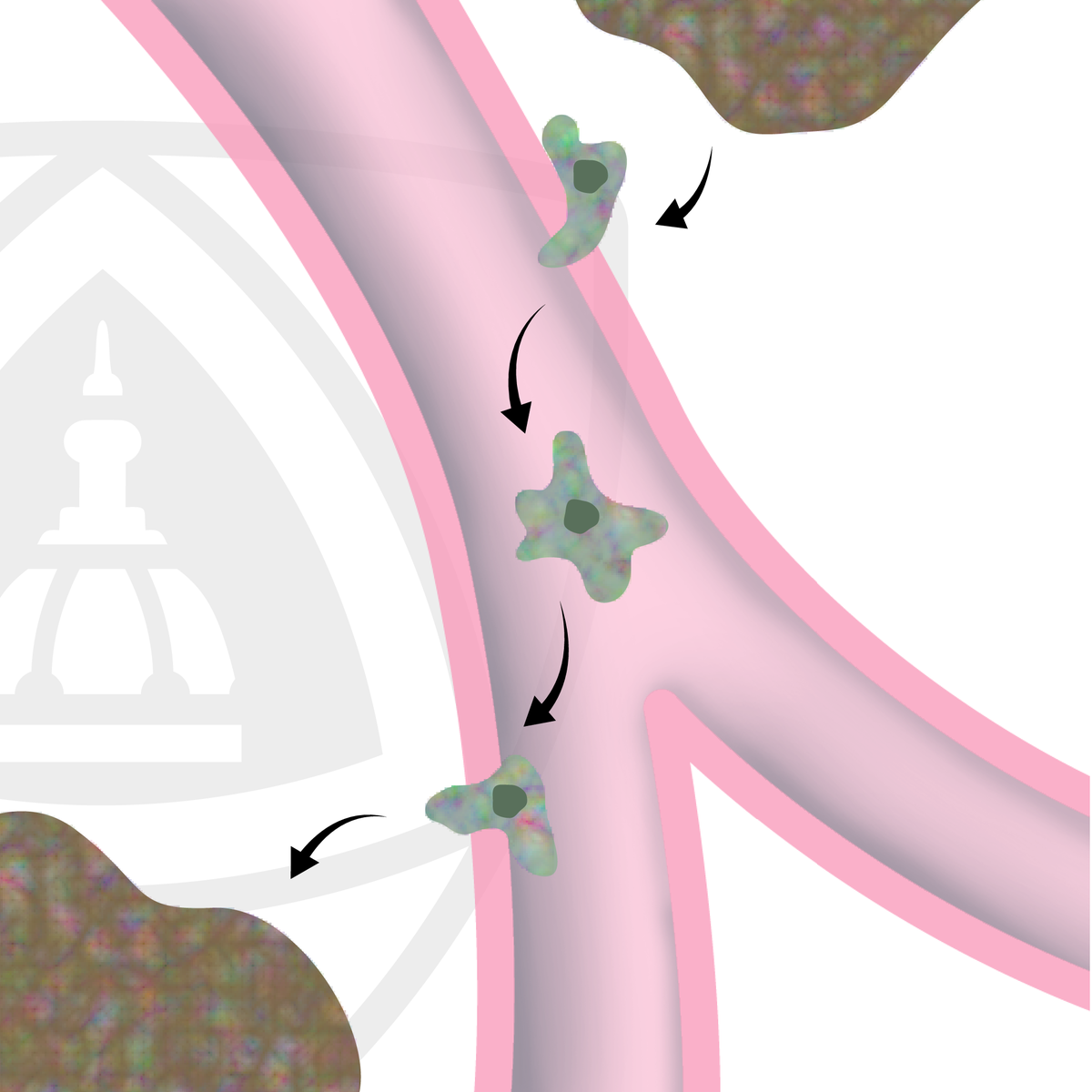
Over 500,000 people in the United States and over 8 million people worldwide are dying from cancer every year. As people live longer, the incidence of cancer is rising worldwide, and the disease is expected to strike over 20 million people annually by 2030. Everyone has been, or will be touched by cancer in some way during their lifetime. Thanks to years of dedication and commitment to research we’ve made enormous advances in the prevention and treatment of cancer, But there is still a lot of work to be done. In this course, physicians and scientists at the Johns Hopkins School of Medicine explain how cancer spreads or metastasizes. We’ll describe the major theories of metastasis and then describe the biology behind the steps in metastasis. The course also describes the major organs targeted by metastasis and describes how metastases harm the patient.
 Google Cloud
Model Armor: Mengamankan Deployment AI
Kursus ini meninjau fitur keamanan penting Model Armor dan membekali Anda untuk bekerja menggunakan layanan ini. Anda akan mempelajari risiko keamanan yang terkait dengan LLM dan cara Model Armor melindungi aplikasi AI Anda.
 Dartmouth College
Question Reality: Cosmos
This course explores the concept of reality and the physics of the sky. You will travel through the philosophies and worldviews of early civilizations to the time of early scientists such as Plato, Aristotle, and Copernicus. You will learn how Galileo's findings with the telescope challenged the Aristotelian interpretation of the cosmos, about Galileo’s revolutionary conclusions on gravity, and Newton's universal law of gravitation. This course will also introduce you to the scientific methods and their limitations. You will also explore the properties and behaviors of homemade pendulums. Next, you will explore modern ideas of cosmology, of the Big Bang, and even recent speculations that our universe is not all there is. Mysteries and properties of light and how they were discovered, questioned, and confirmed through experiments over the past few hundred years through the present will also be discussed.
 Starweaver
Cyber Espionage and Counterintelligence
In today’s digital age, the battlefield has shifted. Threats no longer come only from land, sea, air, or space—they now originate silently, invisibly, and persistently from cyberspace. Cyber espionage stands out as one of the most covert, calculated, and dangerous threats to governments, businesses, and individuals alike. Whether it’s state-sponsored Advanced Persistent Threats (APTs) targeting national secrets, or industrial espionage actors stealing trade secrets, understanding how these threats operate—and how to stop them—has become a critical skill in modern cybersecurity. This course, Cyber Espionage and Counterintelligence, offers a structured, in-depth, and practical exploration of the evolving world of cyber espionage. Unlike general cybersecurity courses, this program is laser-focused on helping learners understand how espionage operations unfold—and more importantly, how to counter them using proven counter-intelligence principles and technical tools. Designed specifically for intermediate learners, this course bridges the gap between foundational cybersecurity knowledge and the highly specialised skills needed to analyse, defend against, and outsmart espionage campaigns. Whether you’re a security analyst, SOC team member, red teamer, threat researcher, or military/intelligence professional, this course will provide the insight and technical exposure required to stay ahead of today’s stealthiest cyber threats. This course is designed for cybersecurity professionals and defense practitioners who protect digital systems from sophisticated threats. It’s ideal for cybersecurity analysts, SOC personnel, threat intelligence researchers, red and blue team members, government or military operatives, and CISOs seeking deeper insight into espionage risks and counterintelligence strategy. Participants should have a foundational understanding of cybersecurity concepts such as networking, attack vectors, and system vulnerabilities. Familiarity with tools like Wireshark, basic scripting, and knowledge of threat intelligence or malware analysis will help learners fully engage with the hands-on labs and technical demonstrations. By the end of this course, you’ll be able to analyze and understand the behavior and motivations of cyber threat actors, evaluate their tactics across real-world espionage campaigns, and design effective counterintelligence strategies. You’ll also gain hands-on experience implementing deception tools, building threat intelligence workflows, and applying technical countermeasures to detect and disrupt advanced espionage threats.
 Google Cloud
Managing Vault Tokens
This is a self-paced lab that takes place in the Google Cloud console. In this hands-on lab, you will learn how to manage different types of tokens in Vault.
 SAS
SAS
SAS Certification Practice Exams
This course includes access to three practice exams to help you evaluate your readiness to sit for the following SAS Certification exams: Applied Statistics for Machine Learning Associate, Machine Learning Using SAS(R) Viya(R), ModelOps Specialist.
 Google Cloud
Machine Learning in the Enterprise - Español
"En este curso, se aplica un enfoque real en el flujo de trabajo del AA a través de un caso de éxito. Un equipo de AA trabaja con varios requisitos empresariales y casos de uso de AA. El equipo debe comprender las herramientas necesarias para la administración de los datos y considerar el mejor enfoque para su procesamiento previo. Al equipo se le presentan tres opciones con las que puede crear modelos de AA para dos casos de uso. En el curso, se explica por qué el equipo usará AutoML, BigQuery ML o entrenamiento personalizado para lograr sus objetivos."
 EDUCBA
Introduction to Modern Web Development with ASP.NET Core
Immerse yourself in web development with our comprehensive ASP.NET Core course. Designed for beginners and seasoned developers alike, this program covers the full spectrum of ASP.NET Core, starting with fundamentals and guiding you through creating robust web applications. Explore the essentials, from setting up your development environment to building powerful Web APIs using RESTful architecture. Master data handling with Entity Framework Core, implement CRUD operations and manage database migrations seamlessly. Elevate your projects by securing ASP.NET Core applications through in-depth modules on authentication, authorization, and the integration of OAuth and JWT for Web API security. By the end of this course, you'll be equipped to pursue various career paths, including roles as a web developer, API developer, or application security specialist, ensuring you're well-prepared for success in the dynamic field of web development. Target Learners: 1) Beginner to intermediate level developers interested in web development with ASP.NET Core. 2) Professionals seeking to enhance their skills in building web applications and APIs using ASP.NET Core. 3) Individuals looking to enter the field of web development or transition to ASP.NET Core from other frameworks. Pre-requisites: 1) Basic understanding of programming concepts such as variables, data types, and control structures. 2) Proficiency in the C# programming language. 3) Familiarity with web development concepts including HTML, CSS, and JavaScript (recommended) 4) Understanding of HTTP protocol and RESTful principles 5) Knowledge of relational databases and SQL 6) Awareness of web application security concepts
 EDUCBA
Analyze and Evaluate Bond Markets & Fixed Income Investing
By the end of this course, learners will be able to explain the structure of the bond market, analyze how bonds function, differentiate between types of bonds, calculate bond prices and yields, and evaluate bonds in comparison with equities for informed investment decisions. This course provides a comprehensive and practical introduction to the bond market and fixed-income securities, designed for learners who want a clear, structured, and application-oriented understanding of bonds. Starting from core concepts such as fixed income, bond characteristics, and bond types, the course progressively builds into pricing mechanics, accrued interest, yield calculations, day count conventions, and Yield to Maturity (YTM). Learners will benefit by gaining the ability to interpret real-world bond prices, understand return drivers, and assess risk–return trade-offs between bonds and equities. The course emphasizes conceptual clarity supported by practical examples and problem-solving, making complex valuation topics accessible even to non-technical learners. What makes this course unique is its step-by-step progression from fundamentals to valuation, strong focus on market conventions used by professionals, and integration of comparative analysis between bonds and equities. This structured approach ensures learners not only understand bonds but can confidently apply fixed-income concepts in investment, finance, and portfolio decision-making contexts.
 Coursera
Build a Business Architecture using AWS Organization
In this 2-hours long project-based course, you will learn how to: • Create 'AWS Organization' • Add members to 'Organization' • Attach 'Service Control Policy' to member accounts • Enable 'Cloud Trail' for your Organization. This course is an apt learning platform for people who wanted to build their business in AWS Cloud. If you want to manage your business architecture which is deployed in AWS cloud, you must be familiar with 'AWS Organization'. With this powerful tool, you can manage multiple AWS Accounts in a much easier way. This course will be a best learning experience for AWS Solution Architect Associate who are looking for a real-world working experience that would be helpful to gain confidence to appear for Solution Architect Role interviews. It is also helpful for people who are looking to clear AWS solution architect associate certification exam with real time experience.
 Nanjing University
结构生物化学(Structural Biochemistry)
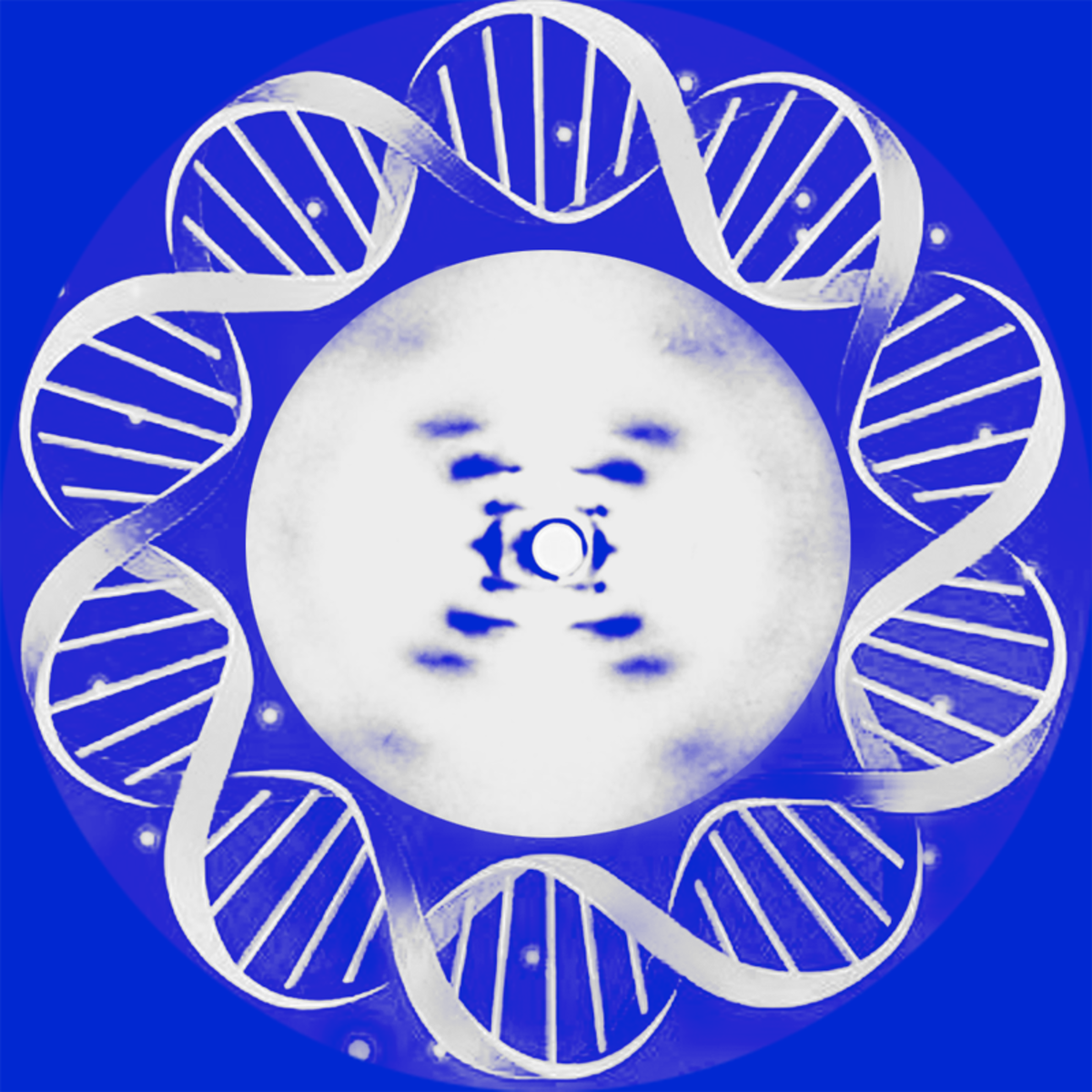
生物化学是当今生命科学领域中发展最为迅速、涉及面最广的基础学科之一,其着眼点在于使用化学、物理学和生物学等方法去研究各类生物分子的结构与功能,在分子水平上阐明生命的本质、原理和规律。如今,生物化学的理论和实验技术已渗透到生命科学的方方面面,它的发展一次又一次地带动了整个生命科学的发展。 生物化学可分为结构生物化学、代谢生物化学和分子生物学三个部分。本课程为第一部分,即结构生物化学,以后还会推出代谢生物化学和分子生物学课程。 结构生物化学的内容可以说是生物化学最基础的部分,有人把这一部分的内容说成是“静态生化”。其主要内容是各种生物分子(氨基酸、核苷酸、蛋白质、核酸、酶、碳水化合物、脂类和激素等)的结构、性质与功能,特别是三类生物大分子——蛋白质、核酸和酶的结构、性质与功能。 学完这一部分,将会为你学好生物化学的另外两个部分,即代谢生物化学和分子生物学打下坚实的基础,也为你学好细胞生物学、遗传学等其他生命科学相关课程创造条件。 先修课程:普通生物学和有机化学 大纲(Syllabus) 第一章 蛋白质的结构与功能(Chapter 1 Structure and Function of Proteins) 1. 氨基酸(Amino acids) 2. 蛋白质氨基酸与非蛋白质氨基酸(Proteinogenic AA & non-protenogenic AA) 3. 疏水氨基酸与亲水氨基酸(Hydrophobic & Hydrophilic AAs) 4. 必需氨基酸与非必需氨基酸(Essential & Non-essential AAs) 5. 氨基酸的英文缩写(Abbreviations for 22 amino acids) 6. 氨基酸的缩合反应(AA Condensation reaction) 7. 氨基酸的手性(Chirality of Amino Acids) 8. 氨基酸的两性解离与等电点(Acid & base dissociation of amino acids and pI) 9. 茚三酮反应(Reaction with Ninhydrin) 10. Sanger反应(Reaction with DNFB) 11. Edman反应(Reaction with PITC) 12. 蛋白质(Proteins) 13. 蛋白质的一级结构(Primary Structure of Proteins) 14. 肽键(Peptide bonds) 15. 蛋白质的二级结构(Secondary Structure of Proteins) 16. α螺旋(The Alpha Helix) 17. β折叠(The Beta-Pleated Sheet) 18. β转角(The Beta Turn) 19. β突起(The Beta Bulge) 20. 蛋白质的三级结构(Tertiary structure of Proteins) 21. 疏水键(Hydrophobic interactions) 22. 模体(Motif) 23. 结构域(Domain) 24. 蛋白质的四级结构(Quaternary Structure of Proteins) 25. 蛋白质的折叠(Protein folding) 26. 天然无折叠蛋白(Natively Unfolded Proteins) 27. Anfinsen实验(Anfinsen’s Experiment) 28. 分子伴侣(Molecular Chaperone) 29. 蛋白质二硫化物异构酶(Protein disulfide isomerase,PDI) 30. 脯氨酰肽酰顺反异构酶(Peptidylprolyl cis-trans isomerase,PPI) 31. 朊病毒(Prions) 32. 蛋白质组(Proteome) 33. 蛋白质的功能(Functions of Proteins) 34. 兼职蛋白(Moonlighting Proteins) 35. 蛋白质结构与功能之间的关系(Structure and function relationships of proteins) 36.α角蛋白(Alpha Keratin) 37.β角蛋白(Beta Keratin) 38.胶原蛋白(Collagen) 39.肌红蛋白与血红蛋白(Myoglobin & Hemoglobin) 40.正协同效应(Positive Cooperativity) 41.波尔效应(Bohr Effect) 42.别构效应(Allosteric effect) 43.HbS 44.HbF" 第二章 核酸的结构与功能(Chapter 2 Structure and Function of Nucleic Acids) 1.碱基(Bases) 2.互变异构(Keto-enol tautomerism) 3.核苷(Nucleosides) 4.核苷酸(Nucleotides) 5.核酸(Nucleic Acids) 6.多种多样的RNA(Versatile RNAs) 7.核酸的一级结构(Primary Structure of Nucleic Acids) 8.B-DNA A-DNA 10.Z-DNA 11.几种DNA的非常规的二级结构(Other forms of secondary structure of DNA) 12.RNA二级结构(Secondary structure of RNA) 13.DNA三级结构(Tertiary Structure of DNA) 14.RNA三级结构(Tertiary Structure of RNA) 15.核糖核酸蛋白复合物(RNA-Protein Complex) 16.核小体(Nucleosome) 17.RNA世界(The RNA world hypothesis) 第三章 蛋白质和核酸的性质(Chapter 3 Properties of Proteins and Nucleic Acids) 1. 紫外吸收(UV absorption) 2. 沉淀(Precipitation) 3. 两性解离(Acid & base dissociation and pI) 4. 变性(Denaturation) 5. 复性(Renaturation) 6. Tm 7. 水解(Hydrolysis) 8. 蛋白质的颜色反应(Protein coloring reaction) 9. 电泳(Electrophoresis) 10. 层析(Chromatography) 11. 透析与超滤(Dialysis and Ultrafiltration) 第四章 酶的结构与功能(Chapter 4 Structure and Function of Enzymes) 1. 酶(Enzymes) 2. 辅助因子(Cofactors) 3. 核酶(Ribozymes) 4. 活性中心(The Active Site) 5. “锁与钥匙”模型(Lock and key model) 6. “诱导契合”模型(The Induced Fit model) 7. “三点附着”模型(Three-point attachment model) 8. 酶的命名和分类(Enzyme Nomenclature) 9. 酶动力学(Enzyme kinetics) 10. 米氏方程(The Mechaelis-Menten Equation) 11. Kcat和kcat/Km(Kcat & kcat/Km) 12. 双倒数作图(Double-reciprocal plot) 13. 酶抑制剂(Enzyme Inhibitors) 14. 竞争性抑制剂(Competitive Inhibitor) 15. 非竞争性抑制剂(Non-competitive Inhibitor) 16. 反竞争性抑制剂(Uncompetitive Inhibitor) 17. 基团特异性抑制剂(Group Specific Reagent) 18. 底物类似物(Substrate Analogue) 19. 自杀性抑制剂(Suicide Inhibitor) 20. 别构酶(Allosteric Enzymes) 21. 齐变模型(The Concerted Model) 22. 序变模型(The Sequential Model) 23. 过渡态稳定学说(“The transition-state stabilization” theory) 24. 抗体酶(Abzymes) 25. 临近与定向效应(Catalysis by proximity and orientation) 26. 广义酸碱催化(General Acid-base catalysis) 27. 静电催化(Electrostatic catalysis) 28. 金属催化(Metal catalysis) 29. 共价催化(Covalent catalysis) 30. 底物形变(Substrate strain) 31. 蛋白酶(Proteases) 32. 酶活性的调节(Regulation of Enzyme Activities) 33. 同工酶(Isozymes) 34. 别构调节(Allosteric control) 35. 共价修饰调节(Regulation by covalent modification) 36. 水解激活(Proteolytic activation) 37. 调节蛋白的激活和抑制(Stimulation and inhibition by control proteins) 38. 维生素(Vitamins) 第五章 糖类和脂类的结构与功能(Chapter 5 Structure and Function of Carbohydrates and Lipids) 1. 碳水化合物(Carbohydrates) 2. 单糖(Monosaccharides) 3. 差向异构体(Epimers) 4. 异头体(Anomer) 5. 寡糖(Oligosaccharides) 6. 多糖(Polysaccharides) 7. 糖缀化合物(Glycoconjugates) 8. 脂类(Lipids) 9. 脂肪酸(Fatty acids) 10. 脂肪(Fats) 11. 反式脂肪(Trans Fats) 12. 磷脂(Phospholipids) 13. 胆固醇(Cholesterol) 14. 脂双层(Lipid Bilayers) 第六章 激素的结构与功能(Chapter 6 Structure and Function of Hormones) 1. 激素(Hormones) 2. 放射免疫测定(Radioimmnoessay) 3. 受体(Receptors) 4. 第二信使(Second messengers) 5. G蛋白(G-proteins) 6. 蛋白质激酶(Protein kinases) 7. 通过胞内受体的激素作用机制(Mechanism of Hormone action by intracellular receptors) 8. PKA系统(The PKA system) 9. PKC系统(The PKC system) 10. PKG系统(The PKG system) 11. NO系统(Nitric oxide system) 12. 受体酪氨酸激酶系统(The RTK System) 13. 视觉产生相关的信号转导(Visual Signal Transduction) 14. 嗅觉产生相关的信号转导(Olfactory Signal Transduction) 15. 信号系统的终止(Termination of the signal)
 New York Institute of Finance
Key Success Factors in Supply Chain Finance
Implement and manage a successful financing program for a corporate buying organization by learning about the key success factors in Supply Chain Finance. In this course, you'll learn about the challenges and bottlenecks in Supply Chain Finance and understand their impact on Supply Chain Finance programs. This course will help you understand who the ideal customer is for a Supply Chain Finance program and understand how revenue is generated and such programs are priced. You'll learn about the relevant factors for suppliers to come onboard and trade as well as identify the key roles and responsibilities involved in Supply Chain Finance. Additionally, this course will explain how to develop metrics and list the necessary elements for developing an effective financing program. By the end of this course, you’ll be able to perform a pre-sales analysis and a detailed supplier analysis, which are crucial for setting up a Supply Chain Finance program.
 Starweaver
Mastering Digital Communication: Effective Online Engagement
This course is a comprehensive online course designed to equip learners with the skills needed to excel in the digital realm. It covers effective communication across various online platforms, including social media, email, and webinars. The course provides a thorough understanding of digital communication principles and practical techniques to engage and connect with audiences effectively. Prerequisites for the course include a basic understanding of digital platforms and familiarity with communication principles. Learners should also be eager to enhance their digital engagement skills. This course is tailored for digital marketers, social media managers, content creators, and business communication professionals. It aims to help them leverage digital platforms effectively to communicate their messages and engage with their target audience. The learning objectives of the course include identifying key digital communication platforms and their unique features, implementing strategies for crafting engaging content tailored to different digital mediums, constructing comprehensive digital communication plans, and evaluating the effectiveness of digital communication campaigns using analytics tools.
 Coursera
AI Marketing and Campaign Optimization
By completing this course, you will be able to analyze marketing and sales performance data, optimize campaigns across digital channels, and use AI-supported insights to improve engagement and revenue outcomes. AI Marketing and Campaign Optimization focuses on turning marketing strategy into measurable results. You’ll learn how to evaluate campaign performance across channels, analyze content engagement, and connect marketing activities to sales and customer outcomes. The course emphasizes data-driven decision-making using AI-enabled analytics rather than intuition alone. You’ll work with real marketing scenarios such as optimizing content schedules, analyzing e-commerce performance by referral source, evaluating co-marketing and partnership campaigns, and assessing sentiment in AI-generated brand responses. You’ll also learn how marketing automation supports lead nurturing and how customer data can be used to calculate and interpret customer lifetime value. What makes this course unique is its focus on optimization and revenue impact. Rather than stopping at reporting, you’ll learn how to interpret performance signals, identify opportunities for improvement, and recommend concrete actions that increase campaign effectiveness. This course prepares you for advanced performance measurement and scaling work in the final course of the program.