

The Global Scholarly Directory.
Discover world-class academic programs curated for the modern intellectual. Search through 19877+ degrees and professional certificates.
 Google Cloud
Deploy, Scale, and Update Your Website on Google Kubernetes Engine
This is a self-paced lab that takes place in the Google Cloud console. In this lab you will learn how to deploy a website to Google Kubernetes Engine, scale it out to more instances, and deploy a new version using Rolling Updates.
 University of Colorado Boulder
Fundamentals of Software Architecture for Big Data
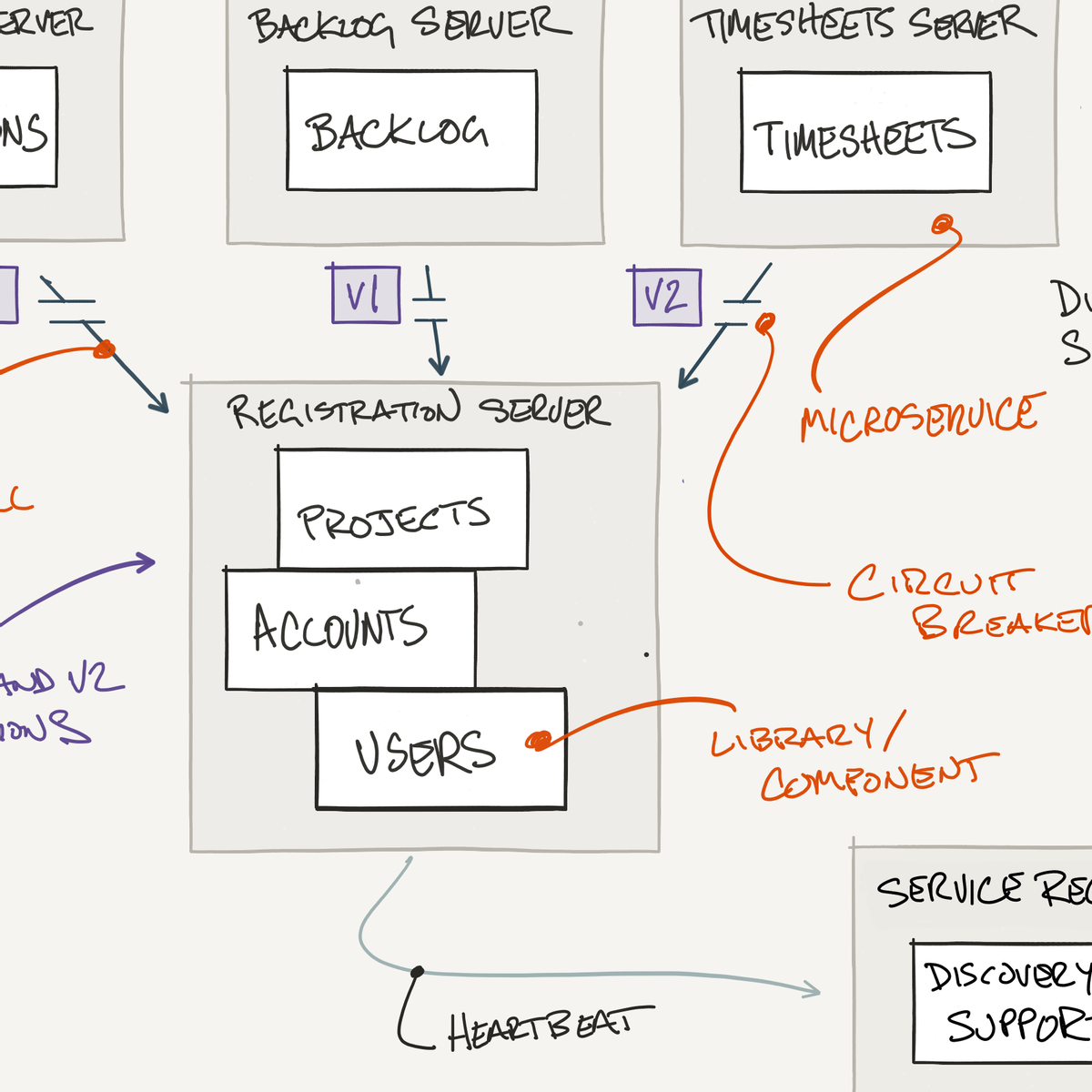
The course is intended for individuals looking to understand the basics of software engineering as they relate to building large software systems that leverage big data. You will be introduced to software engineering concepts necessary to build and scale large, data intensive, distributed systems. Starting with software engineering best practices and loosely coupled, highly cohesive data microservices, the course takes you through the evolution of a distributed system over time. This course can be taken for academic credit as part of CU Boulder’s MS in Data Science or MS in Computer Science degrees offered on the Coursera platform. These fully accredited graduate degrees offer targeted courses, short 8-week sessions, and pay-as-you-go tuition. Admission is based on performance in three preliminary courses, not academic history. CU degrees on Coursera are ideal for recent graduates or working professionals. Learn more: MS in Data Science: https://www.coursera.org/degrees/master-of-science-data-science-boulder MS in Computer Science: https://coursera.org/degrees/ms-computer-science-boulder
 Universidade de São Paulo
II. Missões Jesuíticas nos territórios guaranis: o cotidiano
Em continuidade com a primeira unidade "Missões jesuíticas, nos territórios guaranis: perspectiva histórico-antropológica", este curso (segunda unidade) trata da história das Missões Jesuíticas na região guaranítica, processo ocorrido desde os inícios do século XVII até meados do século XVIII, envolvendo ampla área geográfica correspondente aos atuais estados de Paraguai, Argentina (Misiones), Brasil (Rio Grande do Sul, Paraná, Santa Catarina), Uruguai e Bolívia. Abordaremos essa história a partir dos vestígios da vida cotidiana: artes, saberes, patrimônio monumental, arqueologia. O curso visa oferecer um primeiro nível de conhecimento histórico do tema, de modo a propiciar aos alunos: ➔ Subsídios para o conhecimento dos aspectos mais relevantes da formação das Missões Jesuíticas, considerando os atores envolvidos, as principais circunstâncias que levaram à criação das Missões nos referidos territórios e os diversos posicionamentos das populações guaranis que os ocupavam ➔ Instrumentos de análise crítica da experiência social definida pelo termo Reduções em suas diversas dimensões: política, econômica, social, religiosa e antropológica ➔ Subsídios para a utilização deste conhecimento em sua área de atuação profissional (ensino, gestão de patrimônio, turismo, relações internacionais, pedagogia) ➔ Instrumentos para possíveis ações de resgate, valorização, preservação do patrimônio histórico material (monumental e documental) e imaterial, ligado a tais acontecimentos históricos ➔ Subsídios para possíveis ações voltadas à compreensão e à valorização das redes de relações existentes entre povos latino-americanos ligados à história das Reduções
 Berklee
The Neuroscience of Music and Emotion
This course explores the mystery of music and emotion. Learn how melodies and rhythms can wordlessly “speak,” and why we are willing to listen. See how musical taste forms and learn why it is so personal. We first examine music-induced emotions in the tight bond between auditory and motor systems: the link that makes song and dance such perfect partners. Then we include the reward system to build a triangle of neural connectivity, giving each music lover their own unique “listener profile” of musical enjoyment. Upon completion of this course, you will understand how music gives rise to emotions and be able to list the three stages of emotion generation and how it works when listening to music. You will also be able to describe your personal listener profile and discuss how singing or listening to a song we like causes chemical reactions in our brain that release dopamine, encouraging us to keep listening. The course reveals why we like certain songs by analyzing perception across musicians and non-musicians, cultural influences, metrical structures, and tonality. All of these factors show that every emotional response is unique, as it also depends on internal and external conditions, such as when (and with whom!) we are listening.
 Google Cloud
Attention Mechanism - 繁體中文
本課程將介紹注意力機制,說明這項強大技術如何讓類神經網路專注於輸入序列的特定部分。此外,也將解釋注意力的運作方式,以及如何使用注意力來提高各種機器學習任務的成效,包括機器翻譯、文字摘要和回答問題。
 Arizona State University
Teach English Now! Capstone Project 1
In the final Capstone Project, you will apply the skills you learned by observing teachers at work (a total of six hours of observation). You will build on the concepts learned from the previous courses to analyze the lessons. You will also submit your teaching philosophy, a five-day lesson plan, and a teaching tip. You will deliver a portion of your lesson, submitting a 6-10 minute video for peer review. If you have completed Teach English Now! Part 1 and Teach English Now! Part 2, you will submit your work for expert review to receive your ASU 150-hour TESOL Certificate from ASU, in addition to your Coursera certificates.
 Universidad de Palermo
Marketing y diseño de experiencias
Vivimos en una era en la que ya no basta con ofrecer bienes o servicios: hoy, el verdadero diferencial está en crear experiencias memorables. Este curso está diseñado para todas las personas curiosas, creativas o simplemente interesadas en comprender cómo se diseñan esos momentos que dejan huella, emocionan y generan valor, ya sea en un viaje turístico, una app, una sala de espera o un museo interactivo. A lo largo de cuatro módulos dinámicos y autogestionados, descubrirás los principios, herramientas y enfoques clave del “Diseño de experiencias”. Aprenderás a pensar como un estratega, identificar oportunidades de mejora, construir narrativas significativas y diseñar intencionalmente el uso de los sentidos, las emociones y la memoria. El curso combina lecturas claras, videos breves y evaluaciones formativas y sumativas. Cada lección está pensada para invitarte a reflexionar, observar el mundo de otra manera y, por qué no, diseñar un futuro mejor. No necesitas experiencia previa, solo ganas de imaginar, mejorar y transformar lo cotidiano en extraordinario.
 Google
Design Prompts for Everyday Work Tasks
Don’t know when to use AI? We’ll guide you through examples that can help you save time at work. You’ll design prompts that help you draft emails and adapt them to different audiences, supercharge your brainstorming, quickly build tables and trackers, turn meeting notes into action items, and summarize lengthy documents.
 University of Pennsylvania
Social Entrepreneurship
How do we create innovative and effective solutions to social problems around the world ? This course was designed for individuals and organizations who want to identify and bring about transformative societal change. Professors Jim Thompson and Ian “Mac” MacMillan help you develop both a strategy and a framework for your social enterprise based on their years of experience and expertise teaching social entrepreneurship and advising entrepreneurs. You’ll learn how to define a social problem, understand contextual realities, develop a solution, and plan for effective deployment. By the end of this course, you’ll have a deep understanding of the realities of launching an enterprise, be prepared for every step of the process, and put your social entrepreneurial venture on the path to success.
 Packt
Packt
Official Recoil Tutorial Code Along - React Web Development
This course features Coursera Coach! A smarter way to learn with interactive, real-time conversations that help you test your knowledge, challenge assumptions, and deepen your understanding as you progress through the course. In this course, you will explore Recoil, a state management library that simplifies building scalable and efficient web applications. The course provides an in-depth exploration, from the fundamentals of React and Recoil to advanced topics like state persistence and optimizations. You will learn how to leverage Recoil to handle complex state management needs, enhance your React apps’ scalability, and avoid common pitfalls in large applications. With a blend of theory and hands-on projects, this course empowers you to create maintainable, high-performance web apps. Throughout the course, you’ll first grasp Recoil’s key concepts, including atoms, selectors, and hooks like useRecoilState. From there, you’ll dive into practical applications by building a to-do app from scratch, where you’ll apply your knowledge to manage state globally and locally. As you progress, you’ll refine your skills by tackling advanced features like memoization, selectors, and creating dynamic filtering functionalities in React apps. This course is ideal for React developers who want to simplify state management and improve app performance. Basic knowledge of React is required, as you will be building on concepts such as props, local state, and functional components. By the end of the course, you will be able to create scalable React applications, manage global state with Recoil, optimize performance using selectors, and handle data persistence across sessions.
 Universidad Nacional Autónoma de México
IA generativa en el aula
Conocerás, el concepto, utilidad, retos y posibilidades educativas de la IA generativa a través de la experiencia directa, y de lecturas y discusiones, con la intención de proponer aplicaciones útiles para el aprendizaje y la enseñanza. Discutirás las implicaciones éticas del uso de IA generativas en la educación. Definirás una política de trabajo personalizada. Además contamos con la participación del Dr. Melchor Sánchez Mendiola compartiendo su experiencia en evaluación educativa, el Dr. Guillermo Barrios del Valle nos comparte su experiencia de uso con sus alumnos y el Dr. Erik Carbajal Degante comparte su opinión sobre las inteligencia artificial generativa.
 Coursera
Data and Machine Learning for Technical Product Managers
Businesses are rapidly adopting Machine Learning, but successful integration requires more than just advanced technology—it demands effective project management. Understanding how ML fits into software and hardware solutions is essential for ensuring meaningful outcomes. This course covers the fundamentals of managing ML-driven projects, including how a Project Manager interacts with Machine Learning tools, integrates data analysis, and evaluates results for both internal performance and customer impact. You will explore what makes ML outcomes successful, the role of internal and external metrics, and strategies for incorporating ML into project workflows. This course is tailored for professionals who lead, support, or contribute to machine learning projects within technical environments. It’s ideal for technical project managers, team leads, and supervisors responsible for integrating ML tools into product development workflows. Developers aiming to understand how ML impacts future tasks and project delivery will also benefit, as will data analysts looking to better build and assess ML models. Additionally, this course is a strong fit for professionals who need to effectively communicate ML objectives and results to both technical teams and business stakeholders. To succeed in this course, learners should have a working knowledge of project management principles—such as Agile, Scrum, or similar methodologies—and a basic understanding of machine learning tools and concepts. Familiarity with large language models (LLMs), analytic workflows, and data processing techniques will help learners follow along more effectively. While coding experience is not required, comfort with data-driven thinking and some exposure to tools like R or Jupyter Notebooks will be advantageous. By the end of the course, learners will be able to manage ML-driven projects by implementing data analysis tools and aligning outcomes with defined performance and customer impact metrics. They will develop structured frameworks to integrate ML into project planning, enabling informed decision-making and strategic workflow enhancements. Learners will also identify critical success factors and formulate key evaluation questions to guide continuous improvement. Finally, they will assess ML project effectiveness using both internal benchmarks and external KPIs, ensuring alignment with organizational goals and stakeholder expectations.
 Technion - Israel Institute of Technology
New Product Development - develop your own new product
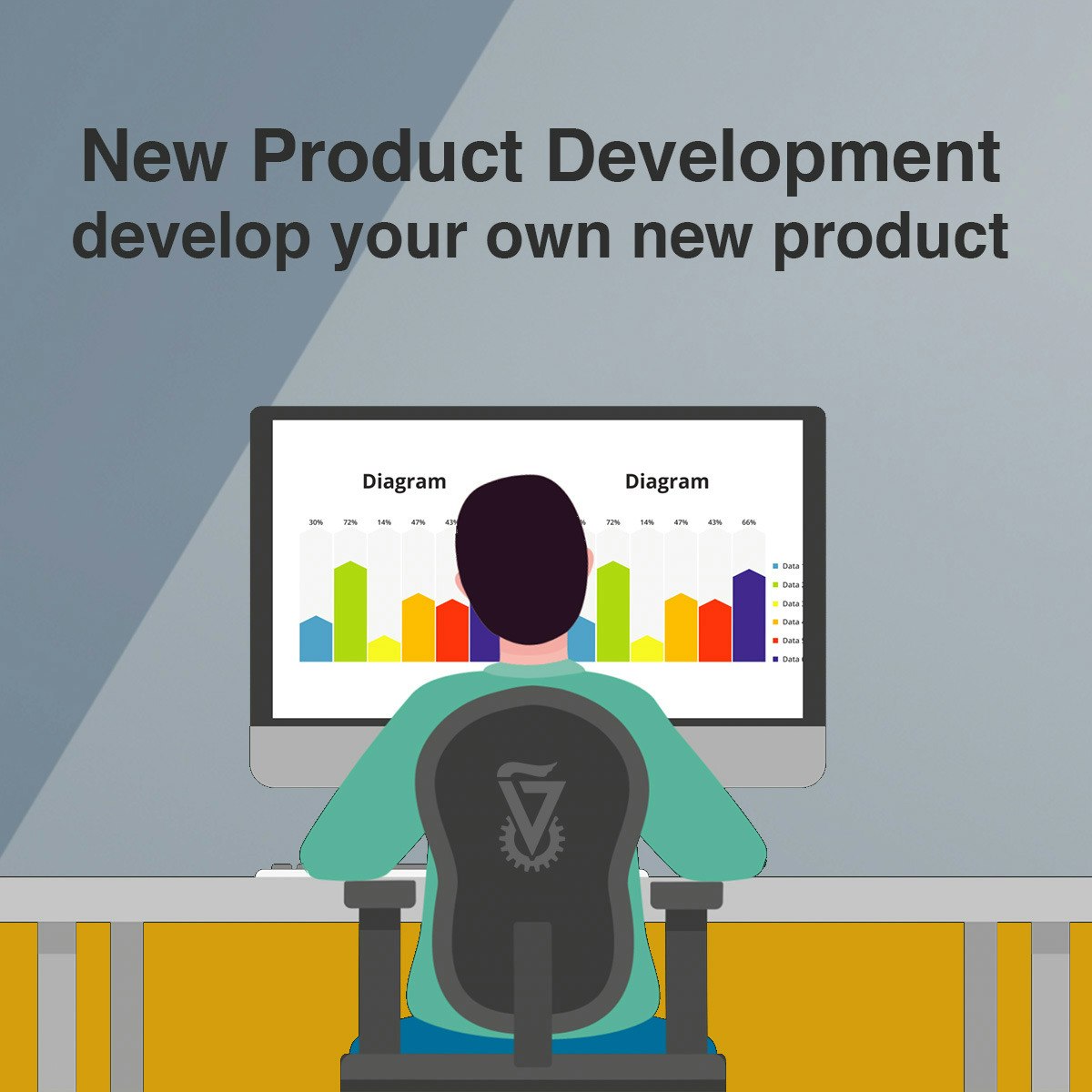
New product development is essential for the survival of many companies in the Hi-Tec sector, as well as other sectors. The percentage of sales of successful business organizations tied to the successful Introduction of new products and services is high. However, the failure rate of new products development projects is also high and therefore there is a need for a methodology based on a well-designed process as well as tools and techniques to manage New Product Development (NPD) projects. Since most companies develop new products, it is important to you as a manager to be familiar and understand the basic concepts and terminology of NPD projects. This course will give you holistic view of the new product development arena and will help you gain specific knowledge in how to select, plan, monitor and control a new product development project, using the proper tools and techniques. Upon completion of this MOOC, you will: 1. have a clear view and understanding of the New Product Development (NPD) arena 2. be able to select the right product configuration based on value (Voice of the customer), cost, time to market and risks. 3. be able to develop a feasible plan for your own product. 4. be able to execute your plan in an uncertain dynamic environment using the right tools and techniques. As part of the course the learners are required to purchase a discounted license for the Product Team Builder Simulator (http://www.sandboxmodel.com/), which is used for training and assignment submission. Please notice the simulator can only be used with Internet Explorer from a Windows computer.
 Google
Berbagi Data Melalui Seni Visualisasi
Ini adalah materi keenam dalam program Google Data Analytics Certificate (Sertifikat Analitik Data Google). Materi ini akan membekali Anda dengan keterampilan yang Anda butuhkan untuk melamar pekerjaan analis data tingkat pemula. Anda akan belajar bagaimana memvisualisasikan dan menyajikan temuan data saat Anda menyelesaikan proses analisis data. Materi ini akan menunjukkan kepada Anda bagaimana visualisasi data, seperti dasbor visual, dapat membuat data Anda lebih hidup. Anda juga akan mengeksplorasi Tableau, platform visualisasi data yang akan membantu membuat visualisasi yang efektif untuk presentasi Anda. Para analis data Google akan mengajarkan dan memberi tahu Anda berbagai cara untuk menyelesaikan tugas umum analis data dengan menggunakan peralatan dan sumber daya terbaik. Pembelajar yang menyelesaikan program sertifikasi ini akan memiliki bekal yang cukup untuk melamar kerja sebagai analis data tingkat pemula. Tidak membutuhkan pengalaman apa pun. Di akhir materi ini, Anda akan: - Mengkaji pentingnya visualisasi data. - Mempelajari cara menyusun narasi yang menarik melalui cerita tentang data. - Mendapatkan pemahaman tentang cara menggunakan Tableau untuk membuat dasbor dan filter dasbor. - Mempelajari cara menggunakan Tableau untuk membuat visualisasi yang efektif. - Mengeksplorasi prinsip dan praktik terkait presentasi yang efektif. - Mempelajari cara mempertimbangkan keterbatasan yang mungkin terkait dengan data dalam presentasi Anda. - Memahami cara menerapkan praktik terbaik ketika melakukan Tanya Jawab dengan audiens Anda.
 Tecnológico de Monterrey
Fundamentos de la escritura académica
Además de conocer las reglas de ortografía y de redacción, en la elaboración de cualquier texto es necesario considerar otros aspectos tales como el propósito comunicativo, la relación entre emisor y receptor y el tipo de texto. Por medio de ejercicios, videos y ejemplos reales, el primer módulo (Semana 1 y 2) guía al alumno para identificar diferentes tipos de textos y los marcadores textuales que caracterizan a cada uno de ellos. Se hace especial énfasis en textos cuyo principal propósito es informar. En el segundo módulo (Semana 3 y 4), se profundiza en los textos con propósitos argumentativos. En este sentido, se distingue entre argumentos basados en opiniones, y se practica la estructura del texto argumentativo. El objetivo de este curso es desarrollar la competencia de comunicación escrita en el nivel de corrección y es la segunda parte de una secuencia de dos MOOC, con la que se prepara para el desarrollo de textos Universitarios.
 Google Cloud
Getting Started with Vertex AI Gemini 1.5 Flash
This is a self-paced lab that takes place in the Google Cloud console. This lab will provide an introductory, hands-on experience with Generative AI on Google Cloud.