

The Global Scholarly Directory.
Discover world-class academic programs curated for the modern intellectual. Search through 19877+ degrees and professional certificates.
 Google
6. 警告を発する: 検知と対応
Google サイバーセキュリティ プロフェッショナル認定証の 6 つめのコースです。各コースでは初級サイバーセキュリティの職に必要なスキルを身につけることができます。 このコースでは、検知とインシデント対応に焦点を当てます。具体的には、セキュリティインシデントを定義し、インシデント対応チームの役割と責任など、インシデント対応のライフサイクルを学びます。またパケット スニッフィングのツールを使用してネットワーク トラフィックをキャプチャし、セキュリティ インシデントを検知するためにネットワーク通信を分析、解釈します。アセスメントを行い、アーティファクトを分析することで、インシデント調査および対応のプロセスや手順を検討し、不正侵入検知システム(IDS)とセキュリティ情報イベント管理(SIEM)ツールの使用方法についても学びます。 サイバーセキュリティの分野で働いている現職の Google 社員が最適なツールやリソースを使って一般的なサイバーセキュリティの業務を遂行する実践的な方法を指導します。また就職活動への準備も手助けします。 この認定プログラムを修了すると、エントリーレベルのサイバーセキュリティの職に応募できるようになります。過去の業務経験は不要です。
 Coursera
Healthcare Career Explorer: Certified Nursing Assistant
Healthcare Career Explorer: Certified Nursing Assistant is a foundational, practice-based course designed for individuals exploring a career in patient care. Whether you're a first-time job seeker, career changer, or healthcare student, this course helps you understand the CNA role across care settings like hospitals, long-term care, and home health. Through interactive videos, real-world case studies, job market exploration, and hands-on planning tools, you'll learn what CNAs do, how they work with nurses and care teams, and where the strongest job opportunities exist. You’ll also practice communication techniques like SBAR, analyze current CNA job listings in your region, and build a personalized career starter plan. By the end of this course, you’ll be equipped with practical insights, confidence, and a clear pathway to begin your CNA journey with purpose and clarity.
 Google Cloud
Gemini in Google Docs 繁體中文
使用者將能透過 Gemini 版 Google Workspace 外掛程式運用生成式 AI 功能。本課程會使用影片、實作活動和練習範例,深入介紹 Gemini 版 Google 文件的功能。您將學到如何透過 Gemini 使用提示生成撰寫內容、編輯寫好的文字,以提升整體工作效率。本課程結束後,您將具備 Gemini 版 Google 文件的知識及技能,可自信地運用這項工具提升寫作品質。
 Scrimba
Prompt Engineering for Web Developers
Not quite getting the results you want from ChatGPT? Wondering how you can use AI language models to your advantage? Then this course is for you! If you’ve spent any amount of time with AI language models like ChatGPT and Google Bard, you may have noticed the results can sometimes be, well, frustrating. When it comes to leveraging AI language models, your output is often only as good as your input. In other words, it’s all about learning how best to communicate your desired results. Effective prompt engineering is the secret sauce for getting the most out of AI. There are plenty of resources on prompt engineering out there, but this course focuses specifically on how you can learn the art and science of effective prompt engineering to get the most out of AI language models and ultimately become a better web developer. By the end of the course, you'll be an awesome prompt engineer with the skills to transform AI language models like ChatGPT into the ultimate coding assistant and pair programming partner. You’ll be equipped to leverage AI to plan, learn, generate, debug, document, and explore code better than you ever have before. And to make sure it sticks, there will be plenty of challenges and suggestions for further learning along the way! Ready? Let’s engineer some prompts!
 Packt
Packt
Python Foundations for Data Handling
This course features Coursera Coach! A smarter way to learn with interactive, real-time conversations that help you test your knowledge, challenge assumptions, and deepen your understanding as you progress through the course. In this course, you will explore the foundations of Python, focusing on key data handling techniques essential for real-world applications. By learning how to work with Python’s powerful libraries, you will become proficient in handling, manipulating, and visualizing data. You will gain a deep understanding of Python data structures, including lists, dictionaries, and strings, and how to apply them in data-related tasks. The course is structured to start with the basics, introducing Python strings and methods before moving into more advanced topics like data structures and object manipulation. You will get hands-on experience with data operations in Python, including insertion, deletion, and slicing, followed by quizzes to reinforce the concepts learned. Throughout the course, you will practice problem-solving techniques and explore abstract concepts that enhance your ability to work with complex data structures in Python. This course is ideal for beginners in Python programming who are interested in data analysis and handling. No prior programming experience is required, but a basic understanding of mathematics and logic will be helpful. The difficulty level is beginner, making it accessible to anyone new to programming or Python. By the end of the course, you will be able to manipulate and handle data structures efficiently, apply string operations, and utilize Python libraries to create data visualizations. You will also gain the ability to solve complex data handling problems using Python.
 Google
1. 基礎知識:データはあらゆるところにある
Google データアナリティクス プロフェッショナル認定プログラムの最初のコースです。各コースでは、初歩的なデータ アナリスト業務に必要なスキルを習得します。あらゆる組織で、プロセスの改善、商機とトレンドの見極め、新製品のリリース、慎重な意思決定などに、データ アナリストが必要とされています。このコースでは、Google が開発した実践的なカリキュラムを通じてデータ アナリティクスの世界を紹介します。教材では、データ アナリティクスに関する多数の主要トピックに触れながら、Google データアナリティクス プロフェッショナル認定プログラムの概要がわかるよう工夫されています。現職の Google データ アナリストが、最適なツールやリソースを使って、一般的なアナリスト業務を遂行する実践的な方法を指導します。 この認定プログラムを修了すると、エントリーレベルのデータ アナリスト職に応募できるようになります。過去の業務経験は不要です。 このコース修了後の目標は以下の通りです。 - ジュニア データ アナリストやアソシエート データ アナリストが日常的に関わる業務やプロセスを理解できるようになる。 - 専門的なツールボックスに追加できる、主要な分析スキル(データ クリーニング、データ分析、データの可視化)とツール(スプレッドシート、SQL、R プログラミング、Tableau)を習得する。 - データのライフサイクルやデータ分析プロセスなど、ジュニア データ アナリストの業務に関わる数多くの用語や概念を理解できるようになる。 - データ エコシステムにおけるアナリティクスの役割を評価できるようになる。 - 分析的思考について自己診断ができるようになる。 - コース修了後、求人情報を検索でき、求職活動のベストプラクティスを知る。
 Whizlabs
Fundamentals of Machine Learning
This course provides a comprehensive introduction to the Fundamentals of Machine Learning, covering both conceptual understanding and practical implementation across modern machine learning workflows. It focuses on building strong core foundations, preparing and evaluating data, applying supervised and unsupervised learning techniques, and implementing scalable machine learning solutions using cloud platforms such as AWS and Azure. Participants will gain hands-on experience in developing, training, evaluating, and optimizing machine learning models, along with exposure to advanced techniques such as GPU-accelerated workflows and MLOps. Real-world use cases, demos, and step-by-step guidance are included to ensure learners can confidently apply machine learning concepts in practical scenarios. By the end of this course, you will be able to learn how to: Understand and explain core machine learning concepts, terminology, and workflows Differentiate between AI, Machine Learning, and Deep Learning Prepare, preprocess, and evaluate data for machine learning models Build and evaluate supervised learning models for classification and regression problems Apply unsupervised learning techniques for clustering and pattern discovery Optimize models using cross-validation, hyperparameter tuning, and performance metrics Leverage GPU-accelerated workflows for large-scale machine learning tasks Design and implement machine learning solutions on AWS Build, manage, and operationalize ML workflows using Azure Machine Learning and MLOps best practices This course facilitates learners with approximately 6:30–7:00 hours of video lectures, delivering a balanced mix of theory and hands-on demonstrations. The course is divided into 6 modules, and each module is further split into focused lessons. To reinforce learning, each module includes assignments in the form of quizzes and in-video questions. Course Modules Module 1: Building Core Concepts and Foundations of Machine Learning Module 2: ML Development, Data Preparation, and Evaluation Module 3: Unsupervised Learning Techniques – Clustering and Pattern Discovery Module 4: Advanced Machine Learning Techniques and GPU-Accelerated Workflows Module 5: Designing and Implementing Machine Learning Solutions on AWS Module 6: Building & Managing ML Workflows with Azure Machine Learning and MLOps This course is ideal for learners and professionals who want to build a strong foundation in machine learning and progress toward real-world, cloud-based ML implementations using industry-standard tools and best practices.
 Packt
Packt
Learn Bash Shell Scripting for Automation
This course features Coursera Coach! A smarter way to learn with interactive, real-time conversations that help you test your knowledge, challenge assumptions, and deepen your understanding as you progress through the course. Dive into Bash shell scripting and unlock powerful automation skills to streamline tasks on Linux and Windows environments. You’ll start by setting up your scripting environment using WSL and CentOS, then move through core scripting concepts such as variables, inputs/outputs, loops, conditionals, and functions. The course carefully balances theory with hands-on practice, guiding you from basic script writing to advanced automation techniques including working with remote servers and REST APIs. The journey includes mastering command chaining, text processing with tools like grep and sed, scheduling jobs via cron, and practical scripting for monitoring and system management. You’ll also explore debugging and logging to ensure your scripts are reliable and maintainable. This course builds progressively, allowing learners to develop skills in a structured and applicable manner. Ideal for system administrators, developers, DevOps engineers, and IT professionals seeking to automate workflows and improve efficiency. No prior scripting experience is required, but basic familiarity with Linux command line is helpful. This is a beginner to intermediate course designed to build your confidence in Bash scripting for real-world automation.
 The Hong Kong University of Science and Technology
핀테크 위험 관리
이번 ‘핀테크 위험 관리’ 강좌는 핀테크와 레그테크의 등장으로 혼란스러워진 금융 산업 내에서 필요한 위험 관리 방식 및 지배구조를 이해하는 데 도움이 되는 내용을 담고 있습니다. 이 강의를 통해 금융 회사의 운영, 평판, 안정성에 관한 위험을 균형 있게 조정하는 비즈니스 전략을 개발할 수 있는 분석력과 조언 능력을 얻어갈 수 있습니다. 그리고 금융 요건 및 정부 규제를 준수하기 위한 새로운 과제, 핀테크 위험 분석과 관련된 변화와 전략에 대응하는 방법, 변화하는 환경 속 금융 산업의 운영 위험 증가 추세에 대해 배울 수 있습니다. 이제 알리바바, 애플, 텐센트 등 여러 기술 기업들이 금융 기업으로 탈바꿈하고 있습니다. 이 강의를 들으면 IT 컴플라이언스 및 보증의 중요성에 대해 배우고, 이러한 변화에 대응하는 현실적인 방법을 알 수 있습니다.
 Google Cloud
Google Cloud에서 생성형 AI를 사용한 웹사이트 현대화
생성형 AI로 사용자에게 더 나은 검색 경험을 제공하여 웹사이트의 탐색 경험을 향상합니다. 이 과정에서는 사용자가 웹사이트의 콘텐츠를 발견할 수 있도록 Vertex AI Search를 통해 생성형 검색 경험을 웹사이트 사용자에게 제공하는 방법을 알아봅니다. 웹사이트 편집자는 생성형 AI를 사용하여 제안을 통해 콘텐츠를 신속하고 효율적으로 번역하고 개선하는 방법을 배울 수 있습니다.
 Google Cloud
Networking in Google Cloud: Network Security
Welcome to the fourth course of the "Networking in Google Cloud" series: Network Security! In this course, you'll dive into the services for safeguarding your Google Cloud network infrastructure. The first module, Distributed Denial of Service (DDoS) Protection, covers how to fortify your network against Distributed Denial of Service (DDoS) attacks, ensuring uninterrupted availability of your services. In the second module, Controlling Access to VPC Networks, you'll learn the network access control, enabling you to define permissions for who can access your resources and how. Finally, in the third module, Advanced Security Monitoring and Analysis, we'll explore how to proactively detect and respond to potential threats, keeping your Google Cloud environment secure and resilient. By the end of this course, you'll have a comprehensive understanding of Google Cloud network security.
 University of California, Davis
Annual Campaigns: Building a Case for Support
In this comprehensive overview of annual giving programs, you’ll gain an introduction to the basic terminology and concepts of annual giving as well as the various solicitation channels and donor types. Learn how to write a direct mail appeal, craft an impactful email appeal, and develop a script for phone solicitation. You’ll learn how to build a leadership annual giving portfolio and maximize the impact of memberships and events in annual campaigns. You’ll complete the course with the knowledge and skills to build and implement a multi-channel solicitation strategy that achieves the goals of an annual campaign.
 EDUCBA
Apply OpenGL Texturing and Camera Systems
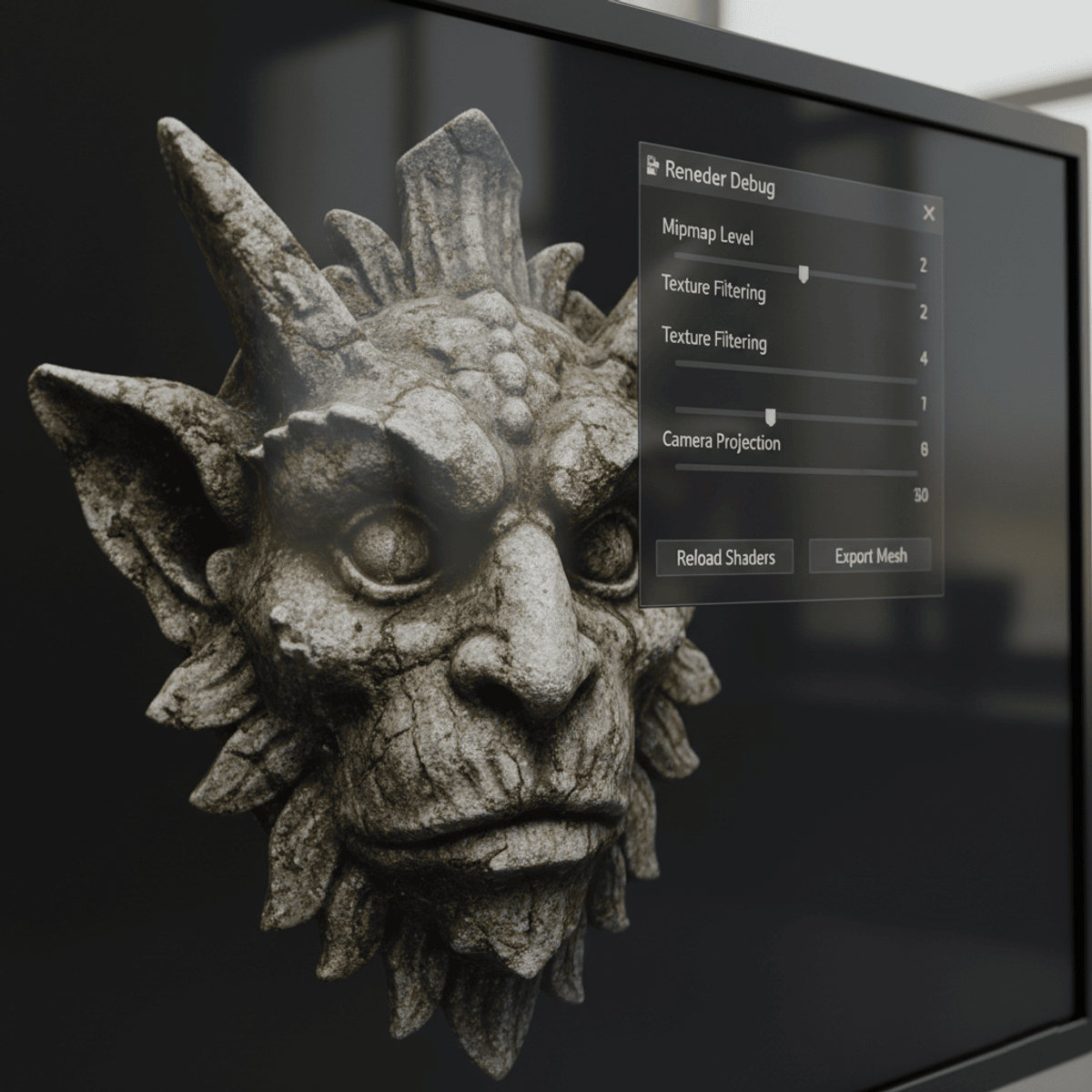
By the end of this course, learners will be able to apply OpenGL texturing techniques, analyze texture sampling behavior, implement transformation mathematics using GLM, configure camera and projection systems, and interactively debug rendering pipelines using ImGUI. This course provides a structured, practice-driven pathway to mastering one of the most critical aspects of modern graphics programming: rendering realistic, controllable, and optimized 3D scenes. Learners gain hands-on expertise in texture loading, coordinate mapping, filtering, mipmapping, multitexturing, and shader-based enhancements, followed by a deep understanding of transformation matrices, camera movement, and projection models. Completing this course equips learners with transferable skills for game development, simulation systems, visualization tools, and real-time graphics applications. Each module builds logically from foundational concepts to applied workflows, ensuring learners not only understand what to implement, but why it works. What makes this course unique is its integrated focus on texturing, mathematics, and interactive debugging within a single cohesive learning experience. Rather than treating these topics in isolation, the course demonstrates how they work together in real-world OpenGL applications, preparing learners for professional-grade graphics development.
 Microsoft
Power Platform in Business Analysis
In this course, you will learn the business value and product capabilities of Power Platform. You will create simple Power Apps, connect data with Microsoft Dataverse, build a Power BI Dashboard, automate a process with Power Automate, and build a chatbot with Power Virtual Agents. After completing this course, you’ll be able to: • Describe the business value of Power Platform • Identify the core components of Power Platform • Demonstrate the capabilities of Power BI • Describe the capabilities of Power Apps • Demonstrate the business value of Power Virtual Agents This is a great way to prepare for the Microsoft PL-900 exam. By passing the PL-900 exam, you’ll earn the Microsoft Power Platform Fundamentals Certificate.
 Johns Hopkins University
Regression Models
Linear models, as their name implies, relates an outcome to a set of predictors of interest using linear assumptions. Regression models, a subset of linear models, are the most important statistical analysis tool in a data scientist’s toolkit. This course covers regression analysis, least squares and inference using regression models. Special cases of the regression model, ANOVA and ANCOVA will be covered as well. Analysis of residuals and variability will be investigated. The course will cover modern thinking on model selection and novel uses of regression models including scatterplot smoothing.
 Packt
Packt
UX: Research Process
Updated in May 2025. This course now features Coursera Coach! A smarter way to learn with interactive, real-time conversations that help you test your knowledge, challenge assumptions, and deepen your understanding as you progress through the course. Embark on a transformative journey through the world of UX design and research, where you'll master the skills to create user-centric solutions. This comprehensive course begins by introducing you to the principles of design thinking, guiding you through empathy mapping, journey mapping, and storytelling to understand and address user needs effectively. Dive deeper as you explore UX content strategy, learning to craft engaging, helpful, and transparent content. From designing information architecture to creating intuitive navigation systems, this course covers all facets of organizing and labeling content for seamless user experiences. Hands-on exercises like card sorting and competitor research will solidify your understanding. Advance your expertise with modules on user interviews and persona creation. You'll learn to conduct insightful user research, synthesize findings, and develop data-driven solutions. The course culminates with evaluating design through usability testing, A/B testing, and user surveys, equipping you with the tools to iterate and refine designs for success. This course is perfect for aspiring and professional UX designers, product managers, and anyone passionate about creating exceptional user experiences. Whether you're a beginner or looking to enhance your skills, this course ensures you're ready to solve real-world UX challenges.