

The Global Scholarly Directory.
Discover world-class academic programs curated for the modern intellectual. Search through 19877+ degrees and professional certificates.
 Google Cloud
KI-Infrastruktur: Einführung in AI Hypercomputer
Sind Sie bereit, mit AI Hypercomputer loszulegen? Dieser Grundlagenkurs erleichtert Ihnen den Einstieg. Er vermittelt Ihnen, was AI Hypercomputer ist und wie damit KI bei KI-Arbeitslasten unterstützt wird. Sie lernen die verschiedenen Komponenten eines Hypercomputers kennen, wie GPUs, TPUs und CPUs, und erfahren, wie Sie den richtigen Ansatz hinsichtlich der Bereitstellung Ihren Anforderungen entsprechend auswählen.
 Institute for the Future
Life After COVID-19: Get Ready for our Post-Pandemic Future
The pandemic will create long-lasting and surprising ripple effects, even after vaccines are widely available. Are you ready for what's next? This course will give you a clear forecast of the challenges and opportunities you’re most likely to encounter over the next 3-5 years, as a direct result of the ongoing COVID-19 pandemic. - Find out what risks still lie ahead - Make a plan for resilience - Play future forecasting games to stretch your imagination about what's possible - Build your post-pandemic confidence - Envision the world you want to live in when we’re all finally on the other side of COVID-19. How can you take advantage of this unprecedented moment of disruption to make positive change in your community, company or other organization? By completing this course, you’ll be better understand the “future shock” we’ve all just lived through together. You'll be able to identify the 7 pre-existing conditions of society that made the pandemic more severe and harder to recover from -- from economic inequality and racial injustice to fragile public trust and the climate emergency. Looking ahead, you'll explore the most surprising and exciting solutions that are being proposed to help our communities heal from these pre-existing conditions. COVID-19 is a roller-coaster ride we will all be on for years to come. With the skills you build in this class, such as learning to spot the four patterns of change that occur during any period of crisis or major disruption, you will be better able to see the ups and downs coming before you get there. And you'll feel more in control of what happens next, as you learn to use the Institute for the Future's post-pandemic Toolkit for Transformation. By the end of this course, you'll be more knowledgeable and better qualified to help yourself, or your company or other organization, navigate the rest of the pandemic and find success on our long road to recovery and reinvention. This courses is taught by Institute for the Future Research Director Jane McGonigal, PhD.
 Technion - Israel Institute of Technology
التقانة والمستشعرات النانوية - الجزء الاول
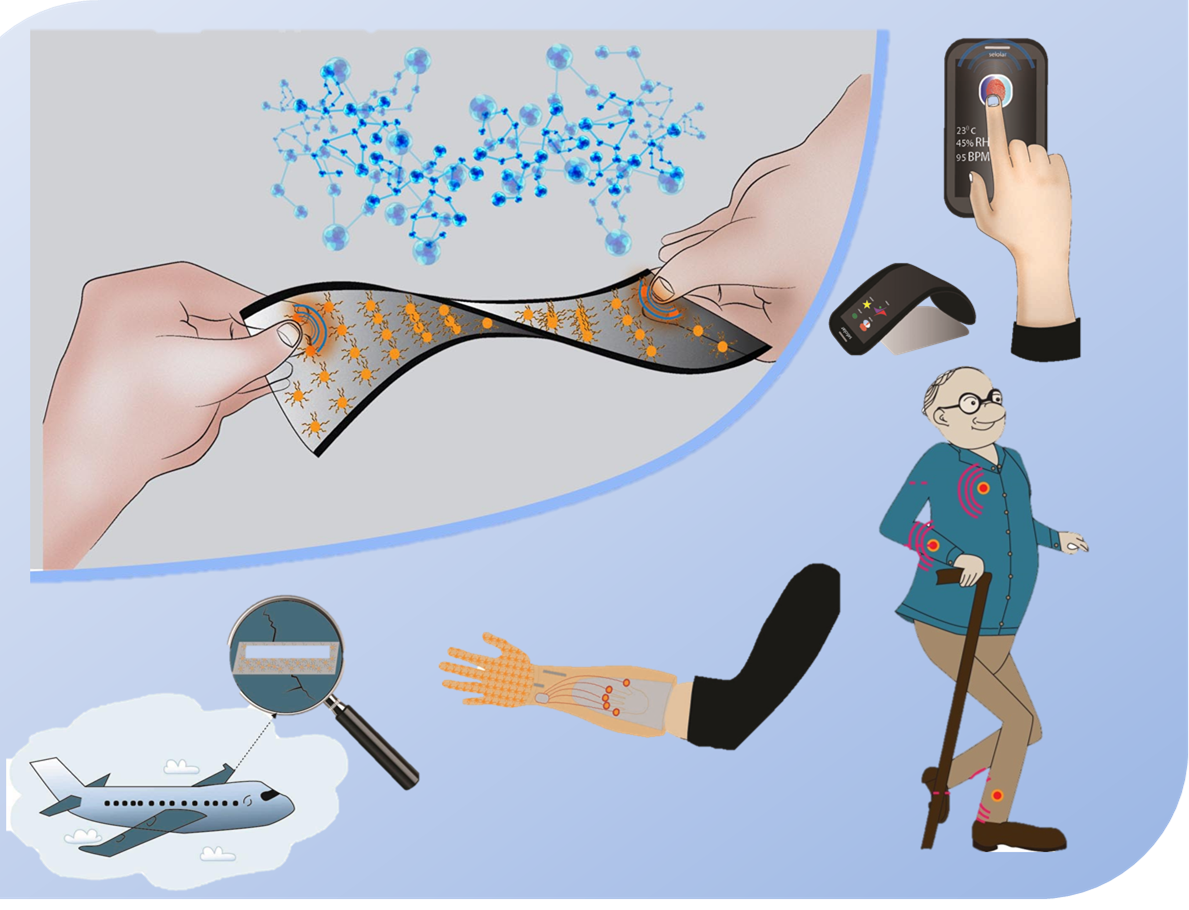
هو مساق للمهتمين في التعرف على أدوات الاستشعار الحديثة التي تستعين بتقانة النانو (وهي التقانة التي تبحث في المجال بين واحد إلى مئة نانوميتر، أي في أجزاء من المليار من المتر) لفرز ومراقبة الأحداث المختلفة في حياتنا الشخصية أو العملية. في أطار هذا المساق، سنكتشف معا عالم النانو المذهل الذي يتعامل مع الوحدات الأساسية في بناء المادة. وبهذا سوف نمهد الطريق لتطبيقات إبداعية لانهائية تطبق في كل جزء من حياتنا اليومية، بدءا من تشخيصات وعلاجات (في الجسم الحي أو خارجه) للأمراض، وثم نستمر في تقانة مراقبة جودة المنتوجات وما يختص بالبيئة، وننهي في تقانة مراقبة القضايا الأمنية. سنتعلم في هذا السعي كيف نصَنع هذه الأدوات الجديدة، وكيف نميزها، وكيف نتحكم بها، وكيف ندمجها في التطبيقات المختلفة. _ _ _ _ _ _ _ _ _ _ _ _ _ وصف المساق تقانة ومستشعرات النانو هو مجال يحوي اختصاصات عديدة ومتداخلة ويجمع بين الكيمياء/البيوكيمياء، الفيزياء، البيولوجيا، علم المواد، هندسة الإلكترونيات وغيرها. سيعرض المساق الحالي بعض مبادئ التقانة ومواد النانو الاساسيّة ودورها الهام في اجهزة و خواص الاستشعار. في هذا المساق سيتم نقاش معلومات شيقة من تخصصات متعددة في مجال العلوم والهندسة في المستوى النانوي, مستهدفا فهم الاختلافات الفيزيائية الأساسية لمستشعرات النانو. عند إنهاء هذا المساق، يكون قد تعلم الطالب تصنيع، تمييز ومعالجة مواد النانو ومستشعرات النانو، وكيفية تسخيرها لبناء تطبيقات جديدة. وأيضا سيطبق الطالب معرفته في تقانة ومستشعرات النانو ضمن مشروع حسب اهتمامه الشخصي. اهداف المساق هدف المساق الرئيسي هو تطوير التفكير النقدي, الابداعي والمبتكر. ان المساق يشجع العمل ضمن فريق ذو افراد من مجالات وحضارات مختلفة, لبناء "مخازن أفكار" عالمية لابتكار افكار جديدة. سوف يطلب منكم خلال المساق ان تقوموا بالتفكير بطريقة مبدعة, غير اعتيادية وان تقترحوا افكار جديدة. يستهدف هذا المساق تشجيع المعرفة بالمواضيع التالية: 1) أهمية المواد النانوية في تطبيقات الاستشعار. 2) الأساليب المستخدمة في تحديد خصائص المستشعرات النانوية· 3) الأساليب المستخدمة لتكييف مواد النانو بهدف استعمالها في تطبيقات استشعار خاصة. 4) جسيمات النانو الفلزية والشبه موصلة. 5) أنابيب النانو وأسلاك النانو العضوية وغير العضوية. 6) المستشعرات الضوئية، الميكانيكية، والكيميائية المبنية من مواد النانو. 7) المستشعرات المبنية من هجين من المواد النانوية. الكتب المطلوبة: · Jiří Janata, Principles of Chemical Sensors, Springer, 2d Edition (1989). · Roger George Jackson, Novel Sensors and Sensing, CRC Press (2004). نبذه عن البروفيسور حسام حايك: البروفيسور حسام حايك هو خبير في مجال التقانة والمستشعرات النانوية، وتشخيص أمراض بوسائل غير باضعة. حاصل على العديد من الجوائز والأوسمة المرموقة في العالم: جائزة ماري كوري للتميز العلمي، جائزة ERC، جائزة الصحة الأوروبية 7-FP. البروفيسور حايك حاصل على أكثر من 42 وسام وجائزه دولية لإنجازاته العلمية، ويشمل ذلك وسام الفارس (التي تمنحه الحكومة الفرنسية) والذي يعد من أعرق اوسمه الشرف في العالم. وقد أدرج اسمه ضمن "قائمة افضل 35 شاب عالم في العالم". كذلك حاز البروفيسور حايك على جائزة ديسكفري من مؤسسة بيل وميليندا غيتس. البروفيسور حايك هو مؤسس ورئيس مجموعه مكونه من 8 فرق أبحاث وشركات أوروبية لتطوير جيل متقدم من الإلكترونيات الجزيئية لتشخيص الأمراض. وهو يشغل أيضا منصب محرر مساعد لمجلتين علميتين ويقوم بدور عضو استشاري علمي بارز في العديد من الشركات والمعاهد الوطنية والدولية، وكذلك مقيم علمي في المفوضية الأوروبية. البريد الإلكتروني: hhossam@technion.ac.il _ _ _ _ _ _ _ _ _ _ _ _ _ _ _ _ _ الطاقم: ميتال بار-سيجف: حاصلة على اللقب الأول B.A في الكيمياء (بامتياز) وحاصله أيضا على اللقب الأول B.Sc. في هندسة المواد (بامتياز) من معهد العلوم التطبيقية – التخنيون (كلاهما عام 2010). عملت أثناء دراستها في شركة "تاور سيميكوندكتور" وبعد التخرج عملت في معهد ألفريد-مان في التخنيون كمهندسة للتطوير والتنمية. حاليا، تقوم ميتال بتحضير الدكتوراه (المسار المباشر) في معهد الإلكترونيات الجزيئية على اسم راسل باري في التخنيون تحت إشراف البروفيسور حسام حايك. موضوع بحث الدكتوراه هو تطوير الجلد الإلكتروني بواسطة مواد النانو. عبير وتد: حاصله على اللقب الأول B.Sc واللقب الثاني M.Sc. في موضوع الهندسة المدنية بتخصصي هندسة المباني وهندسة المواصلات من معهد العلوم التطبيقية – التخنيون (عامي 1998 و- 2005 على التوالي). كما وحصلت على اللقب الثاني M.Sc. في موضوع تدريس العلوم والتكنولوجيا من التخنيون عام 2013. تركزت أبحاثها على تدريس العلوم عن طريق البحث العلمي في المختبرات. عبير تعمل حاليا محاضره في أكاديمية القاسمي-كلية أكاديمية للتربية (باقة الغربية، إسرائيل)، وهي تشغل أيضا منصب رئيسة قسم الهندسة المدنية في الأكاديمية. مايا اشر، مساعدة تدريس: حاصله على اللقب الأول B.Sc واللقب الثاني M.Sc. في دراسات الاتصالات من كلية سابير الاكاديمية وجامعة بن چوريون- اسرائيل (2009, 2013 على التوالي). عملت مايا كمحاضرة في الجامعة المفتوحة- اسرائيل. وحالياً، تقوم باكمال دراستها للدكتوراه في قسم التعليم في العلوم والتقانة في التخنيون تحت اشراف البروفسور ميري باراك. موضوع بحثها يتمركز حول دراسة التعلم التعاوني عبر الإنترنت في مجموعات صغيرة متعددة الثقافات. محمد خطيب، مساعد تدريس: حاصل على اللقب الاول B.Sc في هندسة البيوكيمياء من معهد العلوم التطبيقية – التخنيون (2015). حالياً، يكمل محمد دراسة الدكتوراه (مسار خاص) في قسم هندسة الكيمياء, معهد العلوم التطبيقية – التخنيون، تحت اشراف البروفسور حسام حايك. موضوع بحثه يتمركز حول اجهزة الكترونية قادرة على اشفاء ذاتها، من اجل مراقبة ورصد امراض معدية. ميري باراك، مستشارة تربوية: بروفيسور مساعد في قسم التعليم في العلوم والتقانة، معهد العفوم التطبيقية- التخنيون. هي رئيسة مجموعة التقانات العلمية والتعليمية ومستشارة طلاب الدراسات العليا. فعالياتها الاكادمية تتمركز حول تطوير، دمج وتقييم مناهج تعليم العلوم في المدارس والتعليم العالي. دراساتها تتضمن استعمال معلومات وتقانات اتصال، مع التشديد على الويب 2.0 الناشئ والتطبيقات السحابية، من اجل تعليم ناجع وعمليات تفكير عليا.
 Logical Operations
Emotional Intelligence for Business Professionals
It was once believed that intelligence was the metric that would determine a person's success in the workplace. Intelligence matters because it contributes to your ability to do your job. But intelligence is not the best indicator of whether or not you'll succeed. Your ability to understand and manage your own emotions, and get along well with others, has at least as much impact on your performance and effectiveness as intelligence. In this course, you'll explore strategies to increase your awareness of your emotions, develop your ability to manage your emotions, and improve your social skills. Individuals taking this course are business professionals seeking to develop or increase their emotional intelligence. In this course, you will explore the concept of emotional intelligence. You will: • Identify the components of emotional intelligence and recognize how emotional intelligence benefits organizations. • Assess and develop your personal emotional intelligence competencies. • Assess and develop your social emotional intelligence competencies. • Practice emotional intelligence in common workplace scenarios. This course requires that you have Microsoft Office installed on a Windows PC. The course setup instructions provided in the first module of the course go into more detail about the hardware and software requirements.
 Dartmouth College
Simulation for Digital Transformation
Discover how to tackle complex challenges with Simulation for Digital Transformation. Learn to use Python and SimPy to model, analyze, and optimize systems, empowering you to make data-driven decisions and lead impactful digital transformation initiatives with Dartmouth Thayer School of Engineering faculty Vikrant Vaze and Reed Harder. What you'll learn: 1. Master Discrete Event Simulation: Develop and implement event-driven simulation models in Python using tools like SimPy to analyze and optimize real-world systems. 2. Generate Random Variables: Apply techniques like the inversion and rejection methods to simulate uncertainty and model complex scenarios effectively. 3. Design Trustworthy Simulations: Learn how to validate, verify, and refine simulation models to ensure accurate and actionable decision-making results. 4. Optimize Complex Systems: Use simulation to efficiently improve workflows, allocate resources, and evaluate multi-objective solutions in diverse industries. 5. Bridge Predictive and Prescriptive Analytics: Leverage simulation as a tool to predict outcomes and recommend optimal strategies in dynamic environments.
 Universidad Nacional Autónoma de México
Composición algorítmica en Supercollider
En este curso se ofrece una introducción a la composición musical a partir de líneas de código, particularmente en el ambiente de programación SuperCollider. A partir de una revisión de algunas de las principales herramientas de SuperCollider, el estudiante aprenderá a construir instrumentos digitales como sintetizadores y procesadores de sonido, así como secuenciadores algorítmicos, todo esto con el fin de generar sus propias composiciones.
 Yale University
Western Religions & Ecology
At first glance the fields of religion and ecology may seem and unlikely pairing, but a deeper consideration reveals the two have a great deal to contribute to one another and are indeed inextricably linked. Religions recognize the unity and interdependence of humans with nature. Ecological sciences affirm this deep interconnection with the natural world. This partnership can inspire work for the wellbeing of the Earth community There is a need for broader literacy and deeper knowledge of the world’s religions and their ecological contributions. This specialization, "Religions and Ecology: Restoring the Earth Community", contributes such a perspective. Each course celebrates the vitality of religiously-informed action for the Earth and recognizes the longstanding contributions of Indigenous peoples in offering visions and practices for ecological flourishing. This course is part 5 of 5 of the "Religions and Ecology: Restoring the Earth Community" specialization that focuses on the ecological dimensions of religious traditions throughout the world. The course you are about to begin is designed as a gateway to these aspects of the three Western religions of Judaism, Christianity, and Islam. So much has emerged in the last several decades in this area, as you will see. While we have taught this course at Yale, we have adapted it for learners from a wide range of backgrounds. This course is for lifelong learners curious to know more about world religions and ecology, environmental professionals eager to deepen the discourse of environmental protection and conservation, those working with non-profit organizations and NGOs on issues of ecological justice, and religion leaders and laity who wish to know how they can contribute to interreligious dialogue on environmental projects.
 University of Minnesota
Additional Process Techniques in Microfabrication
This course provides an introduction to some additional process techniques critical to the microfabrication process flow. Learners will be able to explain how the electroplating process produces coatings on devices, including some specific considerations for magnetic materials. Device packaging, testing, and other back-end-of-line (BEOL) processes will be introduced and discussed. This course is part of the Semiconductor and MEMS Fabrication Specialization. It is recommended that learners take the previous courses of the Specialization prior to this course. Please disregard module numbers because the content has been reorganized to improve comprehension and flow of the specialization.
 Google Cloud
Logging and Monitoring in Google Cloud - Español
En este curso, se enseñan a los participantes técnicas para supervisar y mejorar el rendimiento de la infraestructura y las aplicaciones en Google Cloud. Con una combinación de presentaciones, demostraciones, labs prácticos y casos de éxito del mundo real, los asistentes adquieren experiencia para supervisar la pila completa, administrar y analizar registros en tiempo real, depurar código en producción, hacer un seguimiento de los cuellos de botella en el rendimiento de las aplicaciones y crear perfiles de uso de CPU y memoria.
 Coursera
Découvrez les différents types de publicités Facebook et lequel vous convient le mieux
Dans ce projet guidé d'une heure, vous apprendrez En savoir sur les différents types de publicités Facebook, les types de publicités Stories et Messenger, les types de publicités Carrousel et Diaporama, les types de publicités Collection et Jouables, et choisir le meilleur type de publicité Facebook pour votre entreprise. À la fin de ce projet, vous allez être capable à savoir a propos les différents types de publicités Facebook et choisir lequel vous convient le mieux.
 Coursera
Images and Links in HTML
In this project, you will write the HTML code to incorporate images and links into a web page. You will use a text editor called Notepad++ to write your code, and the Chrome browser to display the resulting web page. Since a website is often called upon to attract attention, images are an important part of the both the content and the layout of a web page. Knowing how to incorporate the image is just a part of the picture. There are also design and legal issues that come into play. Also critical to a website’s success is the ability to link from page to page or section to section. By then end of the course, you will have created a web page that includes an image and links—and even put them together to make an image link. Note: This course works best for learners who are based in the North America region. We’re currently working on providing the same experience in other regions.
 University of Colorado Boulder
Introduction to Data Analytics for Business
This course will expose you to the data analytics practices executed in the business world. We will explore such key areas as the analytical process, how data is created, stored, accessed, and how the organization works with data and creates the environment in which analytics can flourish. What you learn in this course will give you a strong foundation in all the areas that support analytics and will help you to better position yourself for success within your organization. You’ll develop skills and a perspective that will make you more productive faster and allow you to become a valuable asset to your organization. This course also provides a basis for going deeper into advanced investigative and computational methods, which you have an opportunity to explore in future courses of the Data Analytics for Business specialization.
 Michigan State University
Getting Your Film off the Ground
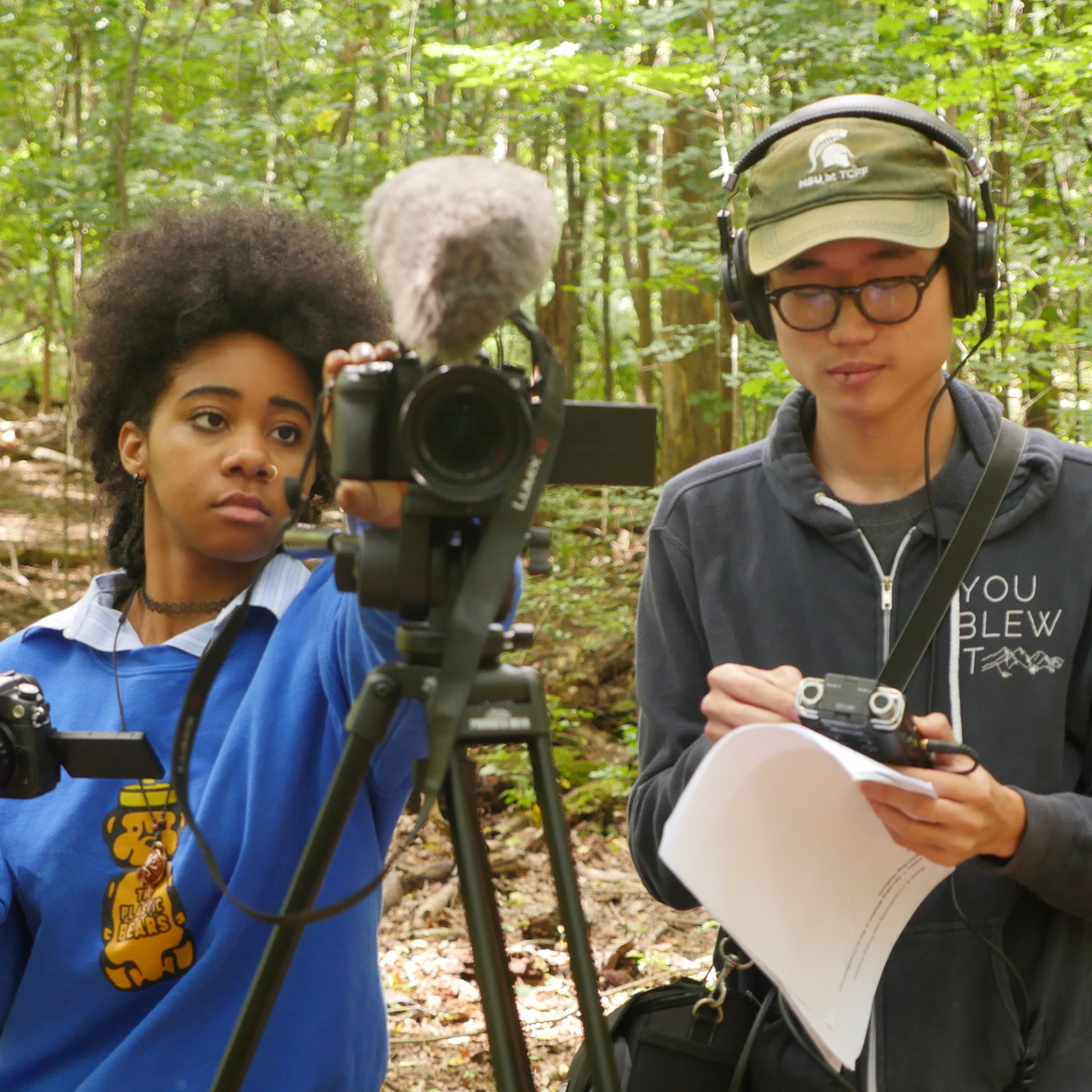
This course is an introduction to many of the possibilities that exist to fund your film, market it, and create an audience for it. It will give you a sense of possible options and avenues to explore and it will start you on the process of making your film dreams a reality. The course covers the grant researching and writing process for fiction films and documentaries, strategies for developing impactful film websites, best social media practices for filmmakers, and how to approach crowdfunding and seeking investors. Through these experiences you will be prepared to seek funding for your film and to build your own audience through digital spaces.
 MathWorks
Powering the Future with Electrification
As companies pursue new strategies for electrification, engineers skilled in converting traditional systems to efficient, grid-powered models are in high demand. Ideal for engineers, scientists, as well as anyone interested in electrified systems, this course offers a comprehensive overview of electrification and the critical role of modeling and simulation in designing effective electrified systems. Through engaging modules, you’ll explore the challenges of designing and simulating electrified systems across diverse applications and discover how MATLAB, Simulink, and Simscape can make modeling complex systems easier. Real-world case studies, such as electric vehicle simulations and integrating solar panels into the grid, provide practical insights into the applications of these technologies. Enroll to start your journey into electrification and understand the expertise required to succeed.
 University of California, Irvine
Foundations of Objective-C App Development
An introduction to the Objective-C programming language. This will prepare you for more extensive iOS app development and build a foundation for advanced iOS development topics. Objective-C programming requires a Mac laptop or desktop computer. An iOS device is optional if the learner is willing to working exclusively with the simulator. Some learners have been able to work with an OS X virtual machine on Windows, but explaining how to do that is beyond the scope of this course. Upon completing this course, you will be able to: 1. Read and write Objective-C 2. Have a strong grasp of Objective-C objects 3. Organize their code professionally using objects and blocks 4. Prototype several entry-level apps
 Google Cloud
Mitigating Security Vulnerabilities on GC - Português
Neste curso de treinamento autoguiado, os participantes aprendem como mitigar ataques em diversos pontos em uma infraestrutura baseada no Google Cloud, incluindo ataques distribuídos de negação de serviço, ataques de phishing e ameaças que envolvem uso e classificador de conteúdo. Também ensinamos sobre o Security Command Center, o Cloud Logging e a geração de registros de auditoria, além de como usar o Forseti para acessar a conformidade geral das políticas de segurança da sua organização.