

The Global Scholarly Directory.
Discover world-class academic programs curated for the modern intellectual. Search through 19877+ degrees and professional certificates.
 University of Pennsylvania
FinTech: Foundations, Payments, and Regulations
In this course, you’ll learn the key components of modern-day investment strategies which utilize fintech. Professors Natasha Sarin and Chris Geczy of the Wharton School have designed this course to help you understand the complex structure of payment methods and financial regulations, so you can determine how fintech plays a role in the future of investing. Through analysis of robo-advising and changing demographic forces, you’ll learn how basic elements of trust underlie complex choice architecture in investments and impact investing. You’ll also explore payment methodologies and how fintech is emerging as an entrepreneurial solution to both investments and payment systems. By the end of this course, you’ll be able to identify different financial technologies, and understand the dynamic between the innovations and regulations, and employ best practices in developing a fintech strategy for yourself or your business. No prerequisites are required for this course, although a basic understanding of credit cards and other payment methods is helpful.
 Coursera
Foundations of Open Generative AI Engineering
The Foundations of Open Generative AI Engineering course introduces learners to the principles, architectures, and trade-offs that define the open generative AI landscape. Starting with the distinctions between open source, open weights, and open access models, learners explore different licensing frameworks—including MIT, Apache, and CreativeML Open RAIL-M—and their implications for commercial use, attribution, and compliance. The course then covers the core architectures of open large language models (LLMs) such as Llama, Mistral, and Mixtral, alongside diffusion models used for image generation. Learners analyze how factors like parameter size, context windows, and inference speed impact performance and suitability for different applications. The final module develops a structured decision-making framework for evaluating open vs. closed models, balancing cost, scalability, customization, privacy, and data sovereignty. By completing a model selection analysis report, learners gain the ability to critically assess and recommend appropriate generative AI models for real-world use cases.
 University of Cape Town
Large Marine Ecosystems: Assessment and Management
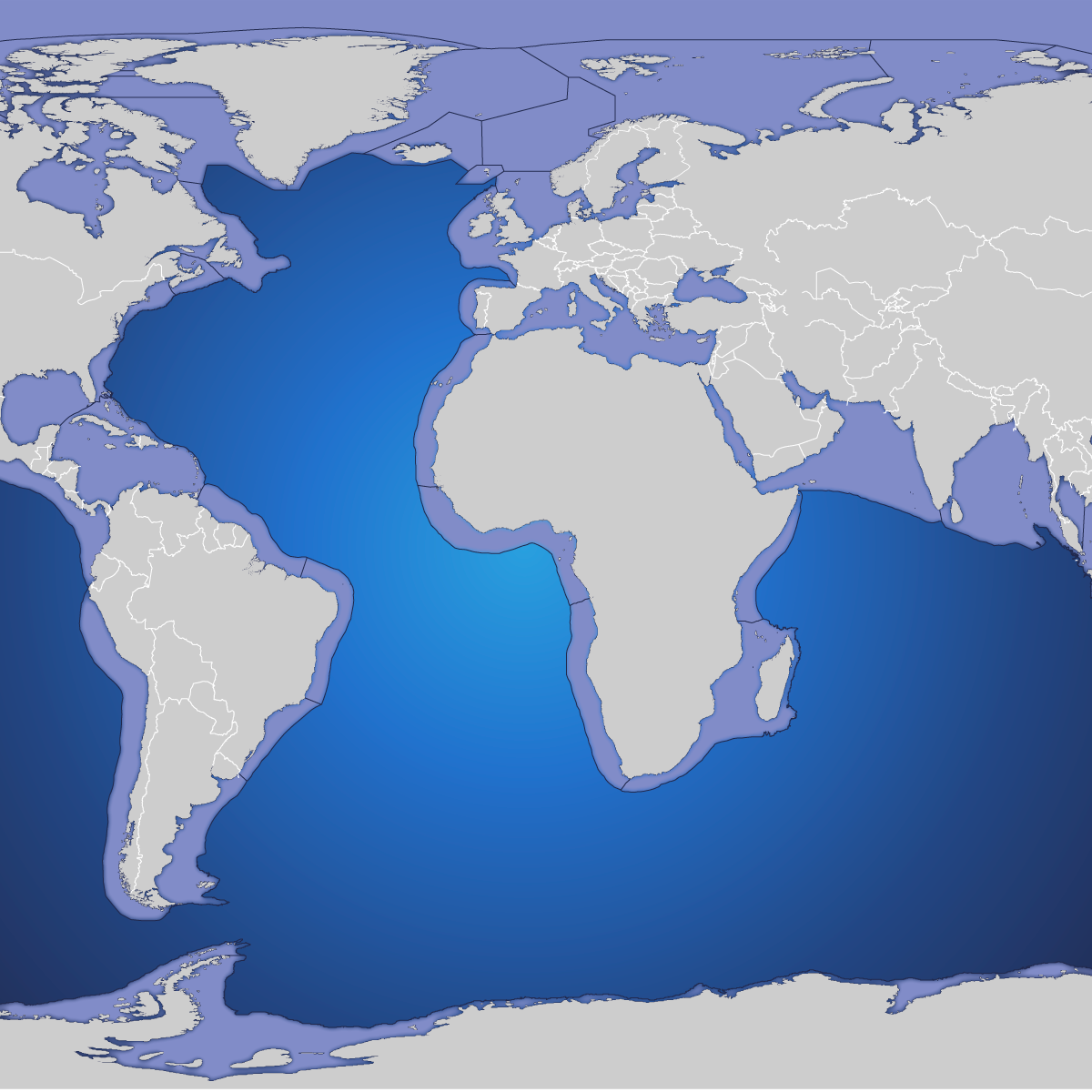
Focusing on the Large Marine Ecosystems (LMEs) of the world, this course will introduce the concept and practice of ecosystem-based management. LMEs occupy areas of coastal ocean at least 200 000 km² or greater in size. These coastal waters produce 12.6 trillion USD in ecosystem goods and services annually and are vitally important for billions of people around the globe. Because LMEs are bounded by ocean features and are globally linked, management of human activities needs to occur in an integrated fashion across political boundaries and economic sectors (e.g. fishing, shipping, energy, tourism, and mining). This represents a new type of management, approached by shifting from single-sector based to multi-sector assessment and management, within the spatial domain of the world's 66 Large Marine Ecosystems. There is global high-level support for this new approach and in this course, we will introduce the concepts and tools for assessing and managing LMEs. Together, leaders and experts in a global movement to recover and sustain the goods and services of LMEs will introduce you to the mechanisms used for assessment (Transboundary Diagnostic Analysis), planning and implementation (Strategic Action Programme). Based on recent activities in implementation and practice of the LME approach projects around the globe, we will showcase examples of effective management at this scale, and highlight the challenges and issues. By the end of the online course, we hope you will be able to actively use this knowledge to advance sustainable development of the world’s oceans. The course was created with the support and input of the Global Environment Facility (GEF), the United Nations Development Program (UNDP), the National Oceanic and Atmospheric Administration (NOAA), UNESCO-IOC and IW:LEARN.
 University of Maryland, College Park
Marketing in the Age of AI
In an era where artificial intelligence is revolutionizing the business landscape, "Marketing in the Age of AI" offers an immersive and forward-thinking approach to understanding and leveraging AI in marketing strategies. This course is designed for aspiring leaders and marketing professionals eager to harness the power of AI to drive customer engagement, enhance brand value, and achieve competitive advantage. The course begins with a foundational exploration of marketing strategy, focusing on critical elements such as customer segmentation, targeting, positioning, and branding. Students will gain a comprehensive understanding of these essential concepts before diving into the transformative impact of AI on marketing. Key topics covered include: Ad Targeting, Recommender Algorithms, Personalization, and Generative AI and LLMs, among others. The course also addresses the critical legal and ethical implications of marketing in the AI age. Students will examine varying regulations and ethical standards across different countries, preparing them to navigate the complex global landscape.
 Technical University of Denmark (DTU)
Introduction to Industrial Bioprocess Development
Bioprocesses make use of microorganisms, animal cells, or enzymes to manufacture new products or complete a chemical transformation. Since ancient days, humans have been using microorganisms to transform biological materials for the production of alcoholic beverages and other fermented foods. Since then, bioprocesses have been developed for an enormous range of commercial products, from relatively cheap products such as organic solvents and industrial alcohol, to expensive specialty chemicals such as therapeutic proteins, antibiotics, and vaccines. Nowadays, the development of bioprocesses is an essential part of a large number of chemical, food, and pharmaceutical industries. The main purpose of the course “Introduction to Industrial Bioprocess Development” is to provide an overview of the common stages involved in this type of processes. The course is primarily aimed at students, researchers, and professionals with an interest in bioprocessing, biomanufacturing, or fermentation technology. Some knowledge of biology, biotechnology and/or biochemical engineering will be advantageous, but not mandatory. The course begins with a brief description of some basic properties of microorganisms and general aspects related to their use in bioprocesses at industrial scale. Following this, the kinetic bases for cell growth, substrate utilization and product formation during batch, continuous and fed-batch cultures are discussed. In addition, the course includes a group of lectures dedicated to some stages that precede fermentation; specifically, media formulation, sterilization, preservation of microorganisms and inoculum preparation. The main characteristics of predominant types of industrial bioreactors along with process parameters that need to be controlled in stirred tank reactors are also covered in one of the modules of the course. Since the expansion of a bioprocess from a lab scale to an industrial scale is of considerable importance, an additional lecture dedicated to this topic is presented. The last part of the course provides a general overview of downstream processing, addressing processes used for the removal of cells from the culture medium, methods for the disruption of cells, and isolation of the target bioproduct. By the end of the course, you should: # Be able to identify the fundamental difference between the two basic cell types: eukaryotic and prokaryotic cells # Distinguish the main steps of the brewing process # Identify some important steps in recombinant protein production # Define the different stages of the industrial production of bioethanol # Distinguish the main characteristics of the three fermentation modes: batch, continuous and fed-batch # Define important parameters of the continuous fermentation mode # Identify bioprocesses where fed-batch fermenters are used and for how long can a fed-batch process be run # Identify how defined and undefined fermentation media are formulated # Discuss the role that key components of culture media play in bioconversion processes # Recognize the importance in avoiding microbial contamination # Describe chemical and physical sterilization methods # Distinguish the main characteristics of common techniques of cell preservation # Recognize factors that are commonly considered to obtain an inoculum suitable for fermentation at industrial scale # Define what a bioreactor is and in which industrial bioprocesses are commonly used # Identify the main parameters that need to be controlled during microbial conversions in STRs # List relevant parameters that are considered for scale-up purposes # Define the sequential steps of downstream processing # Distinguish different methods for biomass removal or cell harvesting # Select common unit operations used for primary isolation
 EDUCBA
Advanced Python for Data Analysis: Build & Optimize
By the end of this course, learners will be able to apply advanced Python techniques, implement client-server networking, develop chatbot applications, integrate databases, and optimize data analysis with NumPy. Through hands-on lessons, you will analyze datasets, design efficient programs, construct socket-based applications, and execute SQL queries in Python. This course is designed to bridge the gap between intermediate Python knowledge and professional data analysis applications. You will gain practical experience with PyCharm, explore real-time communication through networking, and master database integration for managing client data. The course also emphasizes high-performance computing with NumPy, from array creation to matrix operations and vectorized computations. What makes this course unique is its blended approach to Python, combining development environments, networking, chatbot building, database integration, and advanced data analysis into one complete package. By completing this course, learners will develop the technical skills and confidence to design scalable, real-world Python solutions for data-driven projects.
 IBM
IBM
AI Workflow: Enterprise Model Deployment
This is the fifth course in the IBM AI Enterprise Workflow Certification specialization. You are STRONGLY encouraged to complete these courses in order as they are not individual independent courses, but part of a workflow where each course builds on the previous ones. This course introduces you to an area that few data scientists are able to experience: Deploying models for use in large enterprises. Apache Spark is a very commonly used framework for running machine learning models. Best practices for using Spark will be covered in this course. Best practices for data manipulation, model training, and model tuning will also be covered. The use case will call for the creation and deployment of a recommender system. The course wraps up with an introduction to model deployment technologies. By the end of this course you will be able to: 1. Use Apache Spark's RDDs, dataframes, and a pipeline 2. Employ spark-submit scripts to interface with Spark environments 3. Explain how collaborative filtering and content-based filtering work 4. Build a data ingestion pipeline using Apache Spark and Apache Spark streaming 5. Analyze hyperparameters in machine learning models on Apache Spark 6. Deploy machine learning algorithms using the Apache Spark machine learning interface 7. Deploy a machine learning model from Watson Studio to Watson Machine Learning Who should take this course? This course targets existing data science practitioners that have expertise building machine learning models, who want to deepen their skills on building and deploying AI in large enterprises. If you are an aspiring Data Scientist, this course is NOT for you as you need real world expertise to benefit from the content of these courses. What skills should you have? It is assumed that you have completed Courses 1 through 4 of the IBM AI Enterprise Workflow specialization and you have a solid understanding of the following topics prior to starting this course: Fundamental understanding of Linear Algebra; Understand sampling, probability theory, and probability distributions; Knowledge of descriptive and inferential statistical concepts; General understanding of machine learning techniques and best practices; Practiced understanding of Python and the packages commonly used in data science: NumPy, Pandas, matplotlib, scikit-learn; Familiarity with IBM Watson Studio; Familiarity with the design thinking process.
 University of California, Irvine
بدء المشاريع والتخطيط لها
تعد الدورات التدريبية في تخصص "مقدمة إلى مبادئ إدارة المشاريع وممارساتها" تمهيدًا يوصى به للحصول على شهادة إدارة المشاريع التطبيقية التي تمنحها جامعة كاليفورنيا، إرفاين (University of California Irvine, UCI). تتطلب المشروعات الناجحة تخطيطًا مسبقًا متأنيًا. ستتعلم في هذه الدورة التدريبية الأدوار الرئيسية والمسؤوليات المُكلَّف بها مدير المشروعات وفريق المشروعات. ستتعلم أيضًا الإجابة عن بعض الأسئلة الرئيسية مقدمًا لتساعدك على تلبية أهداف المشروعات: ماذا سيحقق هذا المشروع؟ ما سبب أهمية هذا المشروع؟ من المستفيد من هذا المشروع؟ كيف سنخطط لتحقيق نتائج ناجحة؟ عند الانتهاء من هذه الدورة، ستكون قادرًا على: 1. تحديد الخصائص الرئيسية للمشروع 2. تحديد قيود المشروع الأساسية 3. تحديد دور مدير المشروعات ومسؤولياته 4. تحديد الهياكل التنظيمية للمشروع 5. فهم تعريف الجهات المعنية في المشروع 6. تحديد الجهات المعنية في المشروع 7. تحديد احتياجات المعلومات الخاصة بالجهات المعنية في المشروع 8. تحديد مسؤولية إدارة الجهات المعنية والتحكم في مشاركتها 9. تحديد الغرض من استخدام مخطط المشروع 10. تلخيص العناصر الرئيسية لخطة المشروع 11. تحديد المصادر الشائعة للتضارب في بيئة المشروع 12. وصف الفرق بين الصلاحيات والتأثير
 Microsoft
Mastering Data Wrangling with dplyr
In this course, you'll get hands-on experience with dplyr, the powerhouse package for data manipulation in R. You will work with real retail sales data as you learn to filter, arrange, and transform your data with ease. By the end of this course, you'll be confidently writing clean, efficient code using the pipe operator and essential dplyr functions that professional data analysts use daily.
 LearnQuest
Foundations of Sales Success
Embark on a transformation from novice to confident sales professional. This course guides beginners through the fundamental mindsets, behaviors, and tools that drive ongoing sales success in today’s dynamic markets. Learners will master essential skills in buyer research, communication, and self-management, gaining practical frameworks for pipeline building and relationship cultivation. Special attention is given to differences—and commonalities—across Indian and US business cultures. Reflective activities and actionable templates help build foundational habits for a rapidly changing sales environment.
 Skillshare
Leadership: Implementing DEI at Your Company
Successfully lead your team to a more diverse, equitable, and inclusive future with diversity & inclusion specialist, Aduke Onawfowokan! Leading DEI change at work can be a challenging endeavor. These days, many organizations have commendable diversity and inclusion ambitions, however, they sometimes lack a clear approach. Join Aduke as she provides the tools and methods to effectively navigate common obstacles to leading DEI change. Alongside Aduke, you will: * Gain a greater understanding of diversity, equity, and inclusion * Avoid the common pitfalls of leading DEI change * Apply the principles for implementing DEI change at your company Whether you've been tasked with leading change within your organization or you're interested in learning about leading change, this class will provide you with the tools to not only achieve success, but also to measure success for the future. Aduke’s class is designed for leaders of teams, but all students are welcome to participate and enjoy. Instructor bio: Aduke Onafowokan is a leadership and diversity coach who helps organizations recruit, develop, and retain diverse talent while navigating complex challenges around gender, ethnicity, and intersectionality. With over 10 years of experience in project management, training, and talent development, and academic expertise from INSEAD and the University of Oxford, she designs programs that develop leaders across cultures and backgrounds. Aduke has worked with global organizations such as Deloitte, British American Tobacco, and the UK Ministry of Defence, and founded initiatives including the 4000+ member Sister Sister Network and Inclusivitii Ltd. She also delivers worldwide keynotes, workshops, and business consultations on leadership and diversity.
 EDUCBA
Build Dynamic Forum & Blog Websites Using VBScript
Learners will develop the ability to design, build, and manage a dynamic forum and blog website using VBScript, applying scripting logic to create interactive web features such as menus, search, categories, forums, and activity tracking. This course provides a hands-on, project-based learning experience focused on practical VBScript implementation for web development. Learners will progress step by step through a complete real-world project, beginning with project planning and case study analysis, and advancing through content creation, navigation design, search functionality, and forum management. By working directly with articles, blogs, calendars, menus, and discussion forums, learners gain a clear understanding of how VBScript controls dynamic behavior in websites. What makes this course unique is its end-to-end project approach, where every concept is applied immediately within a functional website rather than taught in isolation. Learners will not only understand VBScript syntax but also learn how different components of a website work together as a complete system. By the end of the course, learners will be able to confidently build and evaluate a fully functional VBScript-based forum and blog website, strengthening both scripting and practical web development skills.
 Politecnico di Milano
Ethics of Artificial Intelligence
The MOOC deals with the ethical issues created, aggravated or transformed by AI. It is intended to give students a chance to reflect on the impact of AI on ethical, social and cultural aspects by focusing on the issues faced by and brought about by professionals in AI and information technologies. The MOOC will address these topics by means of case studies and examples analyzed by using the main ethical frameworks. By actively participating in this MOOC, you will achieve different intended learning outcomes (ILOs). - Acquire a broad perspective on the ethical impacts and societal implications of AI. - Learn how to recognize and analyze ethical and social issues inherent in AI. - Be able to understand how technical problems are connected to a social dimension within a socio-technical perspective. - Be able to use critical skills in clarifying and ethically analyzing case-studies involving AI technologies. - Be better prepared for professional life in an ethically and socially responsible way. This MOOC was produced as part of the Edvance project – Digital Education Hub per la Cultura Digitale Avanzata. The project is funded by the European Union – Next Generation EU, Component 1, Investment 3.4 “Didattica e competenze universitarie avanzate".
 LearnKartS
No-Code Web Mastery: WordPress, Shopify, Wix & More
Want to build stunning websites without touching a single line of code? This course shows you exactly how. You’ll explore five of the most popular no-code website builders—WordPress, Shopify, Wix, Squarespace, and Weebly—and learn how to use each one to build blogs, portfolios, landing pages, and even full eCommerce stores. Throughout the course, you’ll become comfortable with choosing themes, customizing layouts, adding plugins or apps, and applying essential SEO and security practices. Every lesson is practical and focused on helping you build real, functional websites—not just theory. Whether you’re starting a business, freelancing, or simply building a site for personal use, you’ll gain the skills to design websites that look polished and perform well. The best part? You learn on a number of platforms, which means you can adapt to diverse clients and industries. By the end, you’ll be able to plan, create, and publish complete websites with confidence. Start your journey today and bring your online ideas to life. Enroll now!
 Duke University
Christian Virtues for Spiritual Growth
This Duke Divinity+ course is for all those who seek to cultivate their interior lives and to develop a way of thinking about ethics inspired by Christian tradition. In this course, renowned theologian Stanley Hauerwas reflects on the significance of specific virtues for understanding what it means to be a Christian. He examines the meaning and significance of four key virtues—kindness, hope, humility, and generosity—and their importance to living a good life. Further, you will consider the practical aspects of living a virtuous life. We will discuss the challenges to living the virtues, and examine how they can be cultivated by incorporating contemplative practices in your everyday life. Week 1 draws on baptism as our initiation into a new story and way of being in the world. In Week 1, you will explore the virtue of kindness through the character of God, reflected in how we treat ourselves and others. Week 2 focuses on hope. In Week 3, you will explore the virtue of humility, and reflecting on the paradox that trying to be humble often ends in pride. Finally, Week 4 closes with an exploration of generosity, demonstrating how different virtues reveal the God who is unrelentingly generous.
 Board Infinity
SOP Writing Mastery: Craft Statements That Stand Out
The course provides a structured roadmap to master SOP (Statement of Purpose) writing, designed for students, job seekers, and professionals aiming to stand out in academic and professional applications. It is tailored for undergraduate and postgraduate applicants, professionals seeking higher education or research opportunities, and candidates preparing for fellowships, internships, or job roles requiring SOPs. You will begin by exploring the structure, purpose, and significance of SOPs, understanding how they differ from personal statements, and learning how admission committees evaluate them. Through guided exercises, you will practice applying storytelling frameworks like the Six P’s to craft compelling and authentic narratives that align with program goals. Next, you will dive into polishing, customizing, and tailoring SOPs for different disciplines and contexts, including STEM, business, and humanities. The course also incorporates alumni insights, reviewer feedback, and international perspectives, helping you refine drafts with ethical AI support while avoiding common pitfalls. By the end of this course, you will have a polished, field-specific SOP that reflects your motivation and aspirations, along with strategies to continuously refine your drafts for future applications. By the end of this course, you will be able to: - Understand the role, structure, and significance of SOPs in applications. - Apply storytelling techniques and frameworks like the Six P’s for compelling narratives. - Tailor SOPs for discipline-specific and international contexts with precision. - Revise and enhance SOP drafts using reviewer feedback and ethical AI tools. - Create polished, authentic SOPs that strengthen academic and professional applications. Disclaimer: This is an independent educational resource created by Board Infinity for informational and educational purposes only. This course is not affiliated with, endorsed by, sponsored by, or officially associated with any company, organization, or certification body unless explicitly stated. The content provided is based on industry knowledge and best practices but does not constitute official training material for any specific employer or certification program. All company names, trademarks, service marks, and logos referenced are the property of their respective owners and are used solely for educational identification and comparison purposes.