

The Global Scholarly Directory.
Discover world-class academic programs curated for the modern intellectual. Search through 19877+ degrees and professional certificates.
 Columbia University
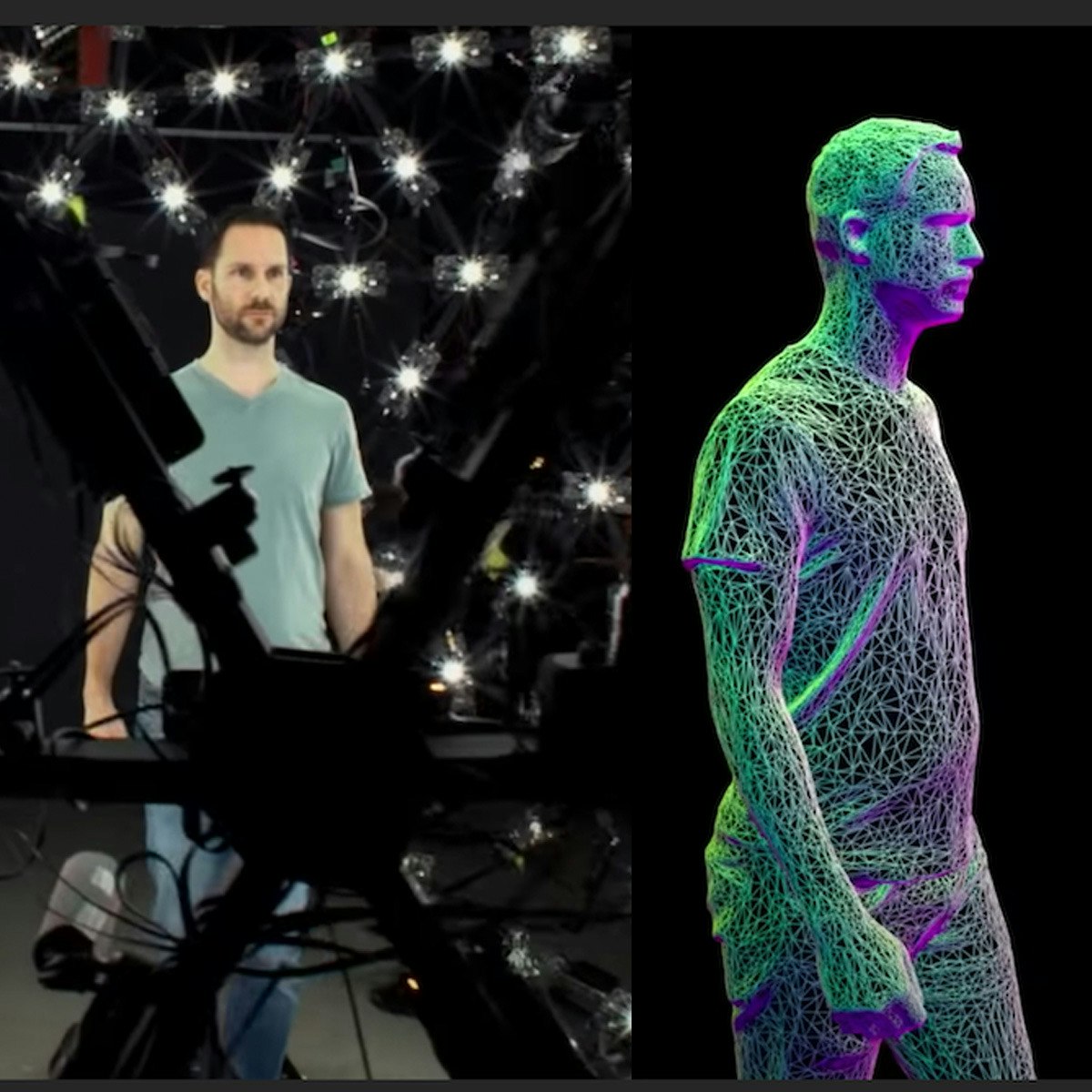
3D Reconstruction - Single Viewpoint
This course focuses on the recovery of the 3D structure of a scene from its 2D images. In particular, we are interested in the 3D reconstruction of a rigid scene from images taken by a stationary camera (same viewpoint). This problem is interesting as we want the multiple images of the scene to capture complementary information despite the fact that the scene is rigid and the camera is fixed. To this end, we explore several ways of capturing images where each image provides additional information about the scene. In order to estimate scene properties (depth, surface orientation, material properties, etc.) we first define several important radiometric concepts, such as, light source intensity, surface illumination, surface brightness, image brightness and surface reflectance. Then, we tackle the challenging problem of shape from shading - recovering the shape of a surface from its shading in a single image. Next, we show that if multiple images of a scene of known reflectance are taken while changing the illumination direction, the surface normal at each scene point can be computed. This method, called photometric stereo, provides a dense surface normal map that can be integrated to obtain surface shape. Next, we discuss depth from defocus, which uses the limited depth of field of the camera to estimate scene structure. From a small number of images taken by changing the focus setting of the lens, a dense depth of the scene is recovered. Finally, we present a suite of techniques that use active illumination (the projection of light patterns onto the scene) to get precise 3D reconstructions of the scene. These active illumination methods are the workhorse of factory automation. They are used on manufacturing lines to assemble products and inspect their visual quality. They are also extensively used in other domains such as driverless cars, robotics, surveillance, medical imaging and special effects in movies.
 Coursera
Cómo encontrar intereses de la audiencia con Meta Business
Facebook tiene un nuevo nombre, y con ese nuevo nombre también, una nueva plataforma para sus negocios. Ahora, mejor conocido hoy como Meta, tiene una nueva vista de todo en su Suite Comercial, y queremos mostrarte cómo funcionan las nuevas herramientas. Estos le mostrarán cómo encontrar percepción de la audiencia en Facebook, Meta. Este proyecto te mostrará las herramientas que necesitas para conocer este juego de Meta Business Suite. Eso te ayudará a encontrar la audiencia que te sigue, a la que quieres impactar y cómo esto afecta o brinda mejores opciones para tu negocio. Conocerás todas las estadísticas, edades, países o ciudades donde están registrados tus seguidores o compradores. Entonces, en este proyecto, verá todas las opciones disponibles para crear contenido y anuncios dirigidos a su audiencia, lo que apunta a oportunidades fantásticas para su negocio. Podrás ver cómo crear un anuncio dirigido al público que quieres y validar cómo las campañas que has creado ofrecen opinión. Este proyecto es para ti si quieres conocer todo lo que ofrece Meta Business Suite en tu área de audiencia. Vamos a practicar y poner manos a la obra en lo que aprendemos. Prepárate para aprender mucho y practicar para tu próximo proyecto.
 University of Colorado Boulder
Spacecraft Relative Motion Control
Spacecraft relative motion control solutions stabilize the spacecraft relative to another spacecraft. This is useful control the approach prior to docking, to circumnavigate while inspect the target object, or to remain in a bounded vicinity about the target. This course covers the basics of nonlinear control theory to apply Lyapunov's direct method to the relative motion control problem. Feedback control strategies using inertial coordinates, differential orbit elements and Hill frame coordinates are studied. Reference relative motions are considered that are either naturally occurring or require a feed-forward control component. After this course, you will be able to... * Develop nonlinear relative motion control strategies * Discuss the stability guarantees of these control solutions * Numerically simulate the relative motion control solutions * Create reference motions that are natural and don't require control effort when the tracking errors have converged * Study the impact of uncertain dynamics and control errors. Please note: this is an advanced course, best suited for working engineers or students with college-level knowledge in mathematics and physics. The material covered is taking from the book "Analytical Mechanics of Space Systems" available at https://arc.aiaa.org/doi/book/10.2514/4.105210.
 University of California, Irvine
Enhance your Writing with Adjective Clauses
Do you have a hard time describing things, people, and places in English? This course will show you how to be more descriptive in your writing by incorporating adjective clauses in complex sentences. You will begin each course learning some basic information about adjective clauses. Then, we’ll get into the specifics of how to identify and use adjective clauses and the pronouns that begin them. In the last part of the course, you’ll demonstrate what you’ve learned by writing a paragraph. We’ll compare this final paragraph with one that you’ll wrote in week 1, and you’ll see just how much adjective clauses can improve your writing.
 Packt
Packt
Mastering Hardware Protocols with ESP32 and Arduinos
This course features Coursera Coach! A smarter way to learn with interactive, real-time conversations that help you test your knowledge, challenge assumptions, and deepen your understanding as you progress through the course. Mastering Hardware Protocols with ESP32 and Arduino is designed to equip learners with essential skills for understanding and implementing various communication protocols like UART, I2C, SPI, OneWire, and non-standard protocols such as DHT11 and DHT22. The course begins with an introduction to the fundamentals, helping learners grasp the importance of hands-on practice alongside theoretical concepts, ensuring they build practical skills from the outset. Through engaging video lessons, students will dive into topics such as setting up the VSC PlatformIO program in Arduino IDE, differentiating wireless protocols, and using tools like PulseView for signal analysis. The course offers a step-by-step exploration of each protocol, from theory to real-world application, with a focus on using logic analyzers and various Arduino devices. By the end of the course, learners will have a comprehensive understanding of serial communication, sensor interfacing, and how to analyze and optimize signals. Whether working with basic hardware like the DS18B20 temperature sensor or advanced setups involving the ESP32, this course ensures that you not only understand the protocols but also how to implement them efficiently for different projects. This course is ideal for electronics enthusiasts, makers, and developers who wish to advance their knowledge of hardware communication protocols and work with embedded systems. It is suitable for individuals with a basic understanding of electronics and programming, though a prior background in Arduino or microcontrollers is recommended.
 Banco Interamericano de Desarrollo
Impulsando servicios integrales de agua y saneamiento rural
Descubre herramientas, estrategias y buenas prácticas para promover la universalización de servicios de agua, saneamiento e higiene, de calidad, sostenibles, resilientes e inclusivos en el contexto rural de América Latina y el Caribe, y supera los desafíos del sector junto con especialistas del Banco Interamericano de Desarrollo y otros profesionales de la región con soluciones exitosas.
 Packt
Packt
Foundations of RMAN Backup and Recovery
Updated in May 2025. This course now features Coursera Coach! A smarter way to learn with interactive, real-time conversations that help you test your knowledge, challenge assumptions, and deepen your understanding as you progress through the course. Gain a strong foundation in RMAN (Recovery Manager) to transform your database backup and recovery strategies. This course offers a comprehensive journey into setting up Oracle databases for backup, applying advanced RMAN techniques, and effectively managing recovery scenarios. By the end, you’ll have the skills to create reliable backups, automate backup processes, and improve overall database protection. Begin by building a practice environment using Oracle Linux and VirtualBox, laying the groundwork for your hands-on learning experience. You’ll then dive into Oracle's backup and recovery solutions, explore RMAN’s architecture, and learn to configure databases for effective backup operations. Key learning objectives include working with incremental backups, automating RMAN processes, and utilizing persistent settings for streamlined management. The course moves into advanced topics like monitoring RMAN jobs, analyzing backup data, and creating efficient backup strategies using compression and multisection options. Practical exercises complement theoretical knowledge, ensuring you gain real-world experience in managing backups, recovering databases, and applying RMAN enhancements. This course is designed for database administrators and IT professionals looking to strengthen their expertise in backup and recovery. Targeted at intermediate learners, it requires basic knowledge of Oracle database operations and architecture.
 Amazon Web Services
Amazon QLDB Primer
This course introduces you to Amazon Quantum Ledger Database (Amazon QLDB), an AWS fully managed ledger database. This course introduces you to the service and its core features and capabilities. You will see how this service integrates with other AWS services and be introduced to important terminology and technology concepts. The course includes a demonstration of Amazon QLDB and provides an assessment to help you gauge how well you understand the concepts covered.
 Alfaisal University | KLD
نماذج الابتكار | Innovation Models
الابتكار هو أساس استراتيجيات التطوير المؤثرة في إدارة الشركات، ومن إحدى الطرق الفعالة لتطبيق الابتكار في عالم الأعمال هي استخدام أدوات ونماذج الابتكار (Innovation Models) التي تساعد الشركات في التعامل مع تحديات السوق بطريقه ممنهجة، نماذج الابتكار (Innovation Models) لها دور مهم في مساعدة الشركات على تسريع وتنظيم عمليات تحديد المشكلة وإيجاد الحلول، لضمان استدامة الأعمال في بيئة عمل هذا العصر. هذه الدورة هي دورة تمهيدية؛ فهي تلقي الضوء على أساسيات الموضوع بشكل عام بهدف التعريف به وبمحاوره الأساسية التي يجب الإلمام بها. إذا كنت من المهتمين بإتقان استيعاب والتعامل مع نماذج الابتكار، أو كان مجال عملك يتطلب إتقان تلك المهارات وتوظيفها في سياق عملك، فهذه الدورة ستكون مثالية لإغناء خبرتك وتطوير مهاراتك في فهم وتوظيف نماذج الابتكار بشكل فعال ومؤثر ينعكس بنتائج ملموسة على أعمالك. حيث ستزودك هذه الدورة باطلاع واسع ودقيق على مجموعة من المحاور المتعلقة بهذا الموضوع، مثل: اختيار النموذج المناسب حسب نوع المشكلة ومعطيات الموقف، طرق اتباع نماذج الابتكار في إدارة المؤسسات مع بعض الأمثلة التطبيقية، التعرف على المبادئ خلف اثنين من نماذج الابتكار وهما التفكير التصميمي ونظرية (TRIZ).
 Google Cloud
Deploy Microsoft SQL Server to Compute Engine
This is a self-paced lab that takes place in the Google Cloud console. In this lab you will learn how to create a virtual machine with Microsoft SQL Server installed. You’ll also create a Windows user and password and learn how to connect to the Windows Server via remote desktop.
 Pontificia Universidad Católica del Perú
Diseñar con Conciencia: Innovación Artesanal desde los Saberes Ancestrales
Este curso te permitirá reconocer el valor de los saberes ancestrales y su vínculo con las identidades locales, analizar experiencias de innovación artesanal sostenible y reflexionar sobre los dilemas éticos asociados al diseño en contextos culturales diversos. Al completarlo, desarrollarás propuestas creativas que integran identidad territorial, sostenibilidad y respeto por las comunidades, fortaleciendo tu capacidad para diseñar con conciencia y propósito. Lo que hace único a este curso es su enfoque que combina reflexión crítica, creatividad aplicada y una mirada ética sobre la relación entre diseño y cultura. No solo aprenderás conceptos, sino que conectarás con la riqueza del patrimonio cultural, comprenderás cómo innovar a partir de él y explorarás herramientas prácticas para transformar ideas en propuestas significativas. Es una oportunidad para diseñar desde lo local hacia el mundo, integrando tradición, innovación y sostenibilidad en cada decisión creativa.
 University of California, Davis
Exploiting and Securing Vulnerabilities in Java Applications
In this course, we will wear many hats. With our Attacker Hats on, we will exploit Injection issues that allow us to steal data, exploit Cross Site Scripting issues to compromise a users browser, break authentication to gain access to data and functionality reserved for the ‘Admins’, and even exploit vulnerable components to run our code on a remote server and access some secrets. We will also wear Defender Hats. We will dive deep in the code to fix the root cause of these issues and discuss various mitigation strategies. We do this by exploiting WebGoat, an OWASP project designed to teach penetration testing. WebGoat is a deliberately vulnerable application with many flaws and we take aim at fixing some of these issues. Finally we fix these issues in WebGoat and build our patched binaries. Together we will discuss online resources to help us along and find meaningful ways to give back to the larger Application Security community.
 University of Michigan
AI for Autonomous Vehicles and Robotics
In this course, you will delve into the groundbreaking intersection of AI and autonomous systems, including autonomous vehicles and robotics. “AI for Autonomous Vehicles and Robotics” offers a deep exploration of how machine learning (ML) algorithms and techniques are revolutionizing the field of autonomy, enabling vehicles and robots to perceive, learn, and make decisions in dynamic environments. Through a blend of theoretical insights and practical applications, you’ll gain a solid understanding of supervised and unsupervised learning, reinforcement learning, and deep learning. You will delve into ML techniques tailored for perception tasks, such as object detection, segmentation, and tracking, as well as decision-making and control in autonomous systems. You will also explore advanced topics in machine learning for autonomy, including predictive modeling, transfer learning, and domain adaptation. Real-world applications and case studies will provide insights into how machine learning is powering innovations in self-driving cars, drones, and industrial robots. By the course's end, you will be able to leverage ML techniques to advance autonomy in vehicles and robots, driving innovation and shaping the future of autonomous systems engineering.
 Universidad Nacional Autónoma de México
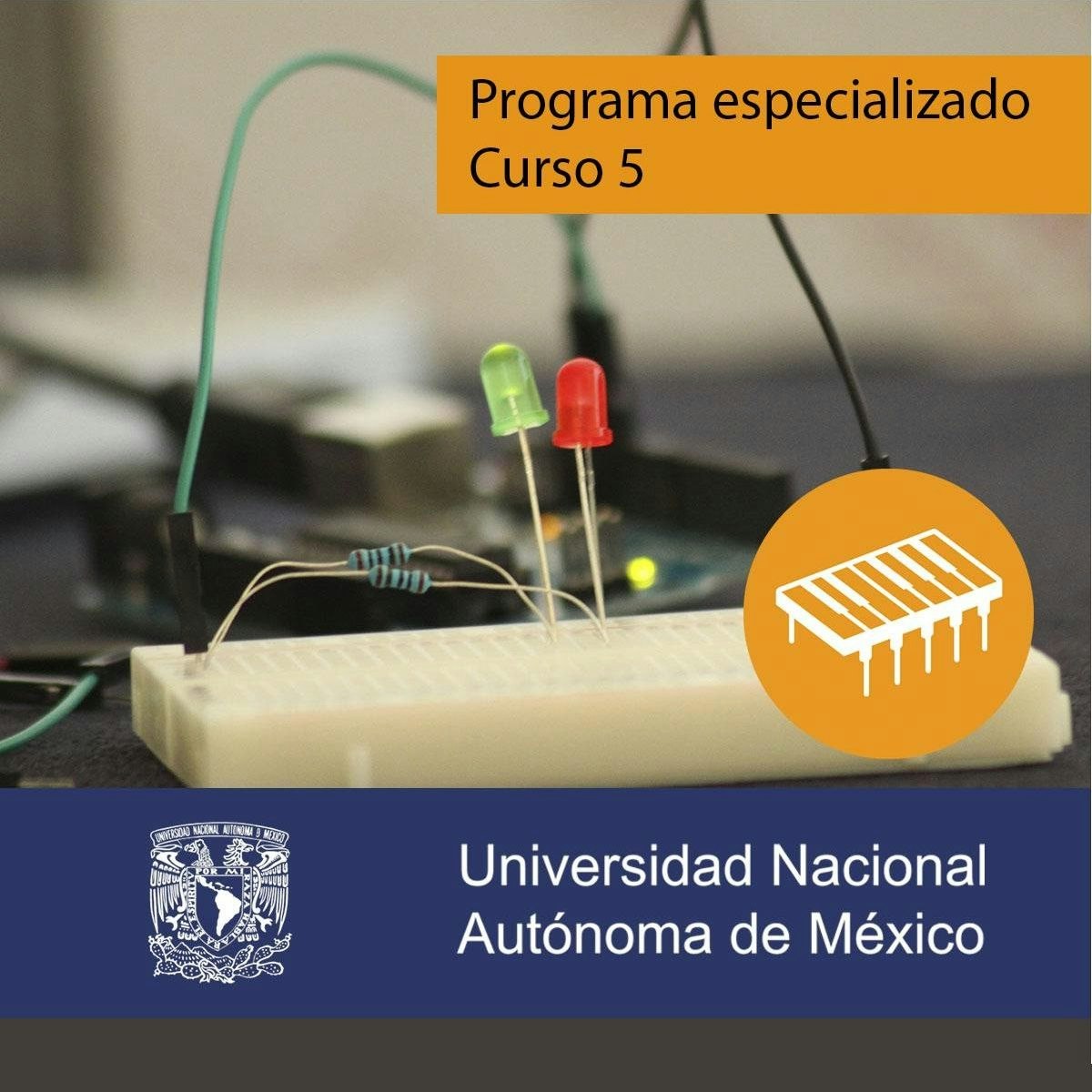
Aplicaciones musicales con Arduino
En este curso nos adentraremos en el terreno del hardware. Concretamente, aprenderemos a utilizar la placa de desarrollo de hardware de código abierto, llamada Arduino, enfocándonos en las aplicaciones que esta ofrece para la experimentación musical. De manera más específica, aprenderemos en este curso a construir nuestros propios generadores de sonido, y a partir de ello haremos instalaciones sonoras que nos permitirán expandir nuestra creatividad hacia el terreno de las cosas materiales, y ya no solo de los datos informáticos.
 Packt
Packt
Advanced Web Exploits, Python Scripting & Network Attacks
Updated in May 2025. This course now features Coursera Coach! A smarter way to learn with interactive, real-time conversations that help you test your knowledge, challenge assumptions, and deepen your understanding as you progress through the course. This comprehensive course covers advanced web security exploits, Python scripting for ethical hacking, and network attacks, preparing learners for the most sophisticated cybersecurity challenges. By understanding SQL injection, utilizing Python for automation, and mastering key penetration testing tools, you’ll be equipped to assess, exploit, and protect web applications, systems, and networks. Through real-world applications, the course also explores Python’s role in ethical hacking, enabling you to script customized tools and automate attacks. The course begins with SQL fundamentals, where you’ll explore databases, relational structures, and SQL commands, laying a foundation for SQL injection techniques. You'll learn how to exploit common SQL injection vulnerabilities, including methods to retrieve passwords, database names, and full datasets. After mastering SQL injection, we dive into essential website penetration testing tools like sqlmap and ZAP, which automate vulnerability detection and help you conduct comprehensive security assessments on web applications. Python scripting is a major focus, where you’ll build a solid understanding of data types, structures, control statements, and functions in Python. Using this knowledge, you will develop custom scripts for ethical hacking, automate tasks like network scanning, and create tools to identify and exploit vulnerabilities. Additionally, the course explores advanced topics such as AI hacking and large language models (LLMs), offering unique approaches to manipulating AI systems and executing prompt injections. This course is suitable for intermediate learners in cybersecurity and penetration testing who are familiar with basic network concepts and web security. It’s perfect for those interested in pursuing certifications such as CEH or OSCP. Python and scripting knowledge is encouraged, but the course offers beginner-level content in Python to help you build the necessary skills.
 École Polytechnique Fédérale de Lausanne
Functional Program Design in Scala (Scala 2 version)
In this course you will learn how to apply the functional programming style in the design of larger Scala applications. You'll get to know important new functional programming concepts, from lazy evaluation to structuring your libraries using monads. We'll work on larger and more involved examples, from state space exploration to random testing to discrete circuit simulators. You’ll also learn some best practices on how to write good Scala code in the real world. Finally, you will learn how to leverage the ability of the compiler to infer values from types. Several parts of this course deal with the question how functional programming interacts with mutable state. We will explore the consequences of combining functions and state. We will also look at purely functional alternatives to mutable state, using infinite data structures or functional reactive programming. Recommended background: You should have at least one year programming experience. Proficiency with Java or C# is ideal, but experience with other languages such as C/C++, Python, Javascript or Ruby is also sufficient. You should have some familiarity with using the command line. This course is intended to be taken after Functional Programming Principles in Scala: https://www.coursera.org/learn/scala2-functional-programming.