

The Global Scholarly Directory.
Discover world-class academic programs curated for the modern intellectual. Search through 19877+ degrees and professional certificates.
 IBM
IBM
Systems Analyst Capstone Project
Demonstrate your job-ready skills in this portfolio-worthy capstone course, where you’ll apply your systems analysis, data management, and project management skills to design and evaluate real-world business systems. During this project, you’ll apply systems analysis methodologies to streamline business processes, data management, and system integration. Through hands-on labs, you’ll use requirements gathering techniques, create process models using UML diagrams, design relational databases, and build interactive dashboards using Tableau or Cognos. As you work, you’ll demonstrate your end-to-end systems analysis skills in stakeholder management, data security, and meeting compliance requirements. Plus, you’ll apply your knowledge to business requirements documentation, process modelling, and deployment using CI/CD pipelines. By the end of the course, you'll have a comprehensive capstone project that demonstrates your systems analyst expertise in addressing real organizational challenges in business process improvement. Enroll today to complete a capstone project that gives you valuable practical experience you can talk about in interviews!
 The Chinese University of Hong Kong
Advanced Modeling for Discrete Optimization
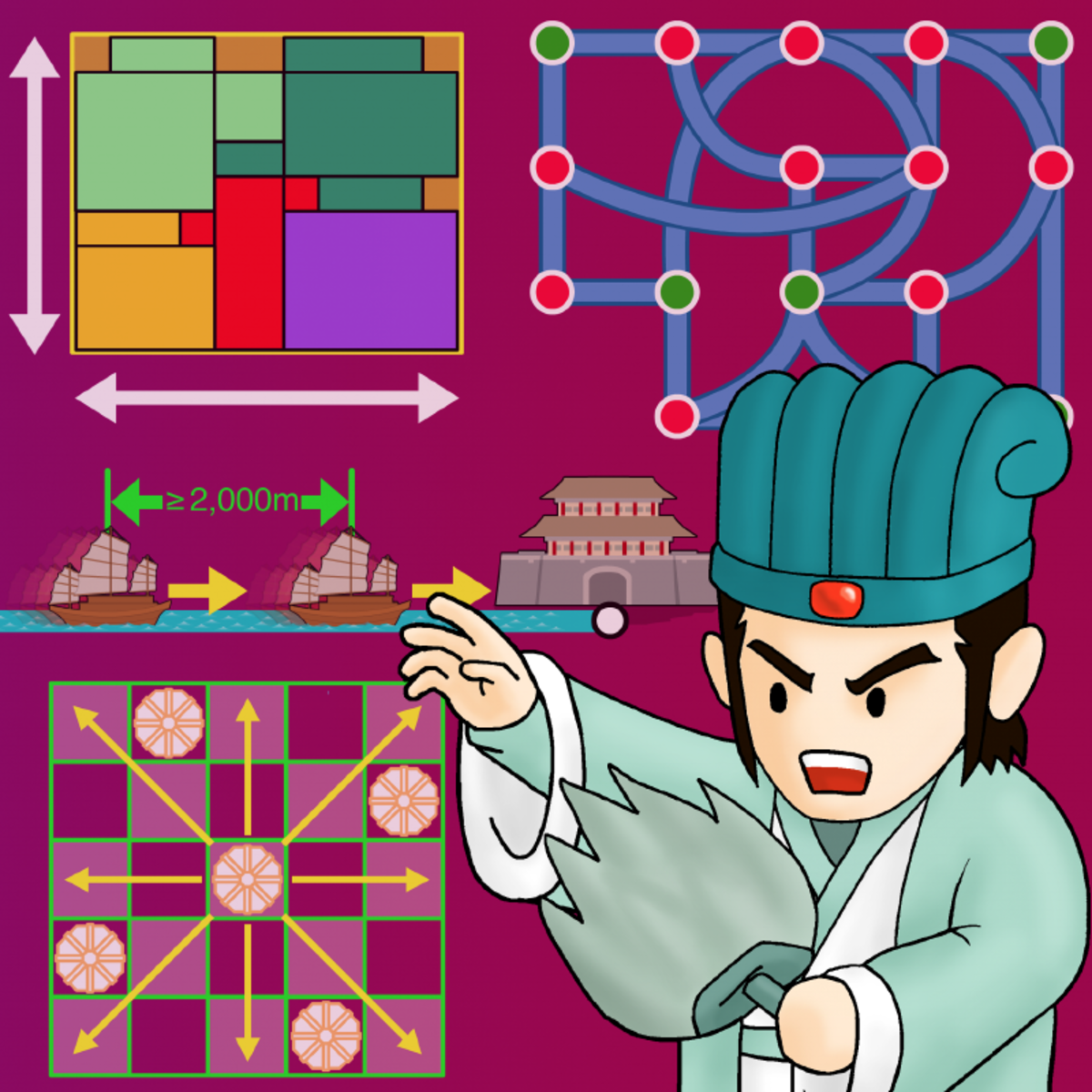
Optimization is a common form of decision making, and is ubiquitous in our society. Its applications range from solving Sudoku puzzles to arranging seating in a wedding banquet. The same technology can schedule planes and their crews, coordinate the production of steel, and organize the transportation of iron ore from the mines to the ports. Good decisions in manpower and material resources management also allow corporations to improve profit by millions of dollars. Similar problems also underpin much of our daily lives and are part of determining daily delivery routes for packages, making school timetables, and delivering power to our homes. Despite their fundamental importance, all of these problems are a nightmare to solve using traditional undergraduate computer science methods. This course is intended for students who have completed Basic Modelling for Discrete Optimization. In this course you will learn much more about solving challenging discrete optimization problems by stating the problem in a state-of-the-art high level modeling language, and letting library constraint solving software do the rest. This course will focus on debugging and improving models, encapsulating parts of models in predicates, and tackling advanced scheduling and packing problems. As you master this advanced technology, you will be able to tackle problems that were inconceivable to solve previously. Watch the course promotional video here: https://www.youtube.com/watch?v=hc3cBvtrem0&t=8s
 University of California San Diego
Deploying Machine Learning Models
In this course we will learn about Recommender Systems (which we will study for the Capstone project), and also look at deployment issues for data products. By the end of this course, you should be able to implement a working recommender system (e.g. to predict ratings, or generate lists of related products), and you should understand the tools and techniques required to deploy such a working system on real-world, large-scale datasets. This course is the final course in the Python Data Products for Predictive Analytics Specialization, building on the previous three courses (Basic Data Processing and Visualization, Design Thinking and Predictive Analytics for Data Products, and Meaningful Predictive Modeling). At each step in the specialization, you will gain hands-on experience in data manipulation and building your skills, eventually culminating in a capstone project encompassing all the concepts taught in the specialization.
 California Institute of the Arts
The Art of Filmmaking: Sequence and Editing
The sequencing of images gives films their cinematic form. Editing is essential to establish a film’s rhythm, pacing, and experience for the viewer. The editing may be subtle and hardly visible, or it can be forcefully present. In this course, you will be introduced to different approaches to editing that include montage theory, continuity editing, and minimalist cinema. You will produce short videos based on prompts designed to explore editing concepts and techniques. To complete the assignments, a video camera is recommended, but a smartphone can be used. Access to, and a working knowledge of editing software such as Adobe Premiere Pro is required.
 Packt
Packt
Introduction to Unreal Engine 5 and Building the Foundations
This course features Coursera Coach! A smarter way to learn with interactive, real-time conversations that help you test your knowledge, challenge assumptions, and deepen your understanding as you progress through the course. Dive into Unreal Engine 5 and learn the essentials of creating dynamic, detailed environments, from building landscapes to designing complex structures. This course walks you through the process of creating a realistic castle, using modular kits and advanced UE5 features to bring your designs to life. Through a combination of landscape manipulation, architectural design, and free-flow building techniques, you will gain hands-on experience in making your own 3D environments. You'll work on everything from small modular huts to grand buildings like water mills and clock towers, gaining the skills to craft immersive virtual worlds. The course is structured in a way that lets you progress step-by-step through each critical component of Unreal Engine 5, beginning with the UI basics and advancing to more complex tasks like building and customizing modular huts, castles, and environments. You will also explore how to integrate props, create detailed textures, and optimize your designs for maximum performance. Each section includes practical applications, ensuring that you're not only learning theory but also applying your knowledge in real-world projects. This course is perfect for beginners looking to get hands-on experience with Unreal Engine 5, or intermediate users who want to deepen their skills in 3D environment creation. No prior knowledge of Unreal Engine is required, though familiarity with basic design principles will be beneficial. The course is suitable for aspiring game developers, digital artists, and anyone passionate about creating realistic 3D environments. By the end of the course, you will be able to confidently navigate Unreal Engine 5’s interface, create and manipulate landscapes, design modular structures, and optimize your virtual environments for better performance. You will have a strong foundation in 3D asset creation, modular kit usage, and free-flow design, giving you the skills to create complex and customizable 3D worlds.
 Universitat de Barcelona
Molecular Tumor Board 2020-21
Se trata de un curso que nace a raíz de una de las sesiones formativas que realiza cada 15 días el Servicio de Oncología Médica del Hospital Clínic de Barcelona (HCB). En este curso se presentan casos clínicos simulando un MTB de tumores sólidos, con un objetivo principal, mejorar el conocimiento específico del impacto clínico del perfil molecular en tumores sólidos. Está destinado a médicos oncólogos y a estudiantes y profesionales vinculados a la oncología médica. Cada seminario que conforma el curso lo presenta un profesional de una patología diferente del Servicio de Oncología Médica del HCB.
 Tecnológico de Monterrey
Analíticas en Páginas Web
En este segundo curso se provee al participante de los fundamentos básicos del análisis de sitios y páginas web en sus diferentes modalidades, incluyendo los de comercio digital. Además, brinda al estudiante las herramientas para evaluar la efectividad de las campañas utilizadas para generar tráfico a estos sitios a través de los anuncios en buscadores y sitios en general. Incluye también la medición de la eficiencia de las campañas de correo electrónico. Parte fundamental del curso es el desarrollo de habilidades analíticas aplicadas en el contexto de mercadotecnia. Los objetivos del curso 2 son los siguientes: • Desarrollar en el participante el pensamiento analítico aplicado a la mercadotecnia digital. • Aprender a utilizar las plataformas analíticas disponibles en el mercado para estudiar sitios web, tiendas online y campañas digitales. • Generar estrategias a partir del análisis de datos generados por la mercadotecnia digital.
 University at Buffalo
블록체인의 기초
블록체인 전문화의 첫 번째 과정은 블록체인 기술의 필수 개념에 대한 광범위한 개요를 제공합니다. 이는 비트코인 프로토콜에 이어 이더리움 프로토콜을 탐색함으로써 애플리케이션 및 프로그래밍 개발에 필요한 기반을 마련해 줍니다. 개인 이더리움 블록체인에서 노드 생성, 계정 생성, 계정 잠금 해제, 채굴, 거래, 이더 전송, 잔액 조회 등에 필요한 지식을 갖추게 됩니다. 분산형 피어 투 피어 네트워크, 불변의 분산 원장, 블록체인을 정의하는 신뢰 모델에 대해 배울 것입니다. 이 과정에서는 블록체인의 기본 구성 요소(트랜잭션, 블록, 블록 헤더 및 체인)와 기본 알고리즘의 작동(검증, 검증, 합의 모델) 및 신뢰의 필수 요소(하드포크 및 소프트포크)에 대해 설명할 수 있습니다. 콘텐츠에는 블록체인 프로그래밍에 필수적인 해싱 및 암호화 기반이 포함되며, 이는 이후 두 가지 전문화 과정인 스마트 컨트랙트와 분산 애플리케이션(Dapps)의 초점이 됩니다. 당신은 이더리움 테스트 체인을 구축하고 체인에서 작동하기 위해 이 과정을 위해 특별히 만들어진 가상 머신 이미지를 작업할 것입니다. 이 실습 활동은 블록체인의 작동, 거래, 블록 및 마이닝을 이해하는 데 도움을 줍니다. 주요 개념은 비디오, 데모 및 실습을 통해 전달됩니다.
 Universidade de São Paulo
I. Missões jesuíticas nos territórios guaranis: história
Conhecer a história não é uma exigência para eruditos ou especialistas, mas é um recurso necessário para o exercício da cidadania e a valorização da dignidade humana em suas diversas dimensões. Através de dois cursos, propomos o conhecimento da história das Missões Jesuíticas na região guaranítica. Este processo ocorreu desde os inícios do século XVII a meados do século XVIII, envolvendo ampla área geográfica correspondente aos atuais estados de Paraguai, Argentina (Misiones), Brasil (Rio Grande do Sul, Paraná, Santa Catarina), Uruguai e Bolívia. Trata-se de eventos históricos que foram muito importantes para a história latino-americana e para o Brasil, mas que são pouco conhecidos e aprofundados em currículos escolares, manuais de história e de modo geral fogem ao conhecimento da maioria da população brasileira. Apresentaremos uma visão da história das Missões Jesuíticas nos territórios guaranis visando focar sua importância do ponto de vista da formação da identidade latino-americana e abordando os diferentes aspectos geográficos, sociais, religiosos, políticos e econômicos dessa experiência. Neste primeiro curso abordaremos a visão da história das Missões jesuíticas nos territórios guaranis, numa perspectiva histórica e antropológica. O curso visa oferecer um primeiro nível de conhecimento histórico deste tema, de modo a propiciar aos alunos: ➔ Subsídios acerca dos aspectos mais relevantes da formação das Missões Jesuíticas, considerando os atores envolvidos, as principais circunstâncias que levaram à criação das Missões nos referidos territórios e os diversos posicionamentos das populações guaranis que os ocupavam ➔ Análise da experiência social definida pelo termo Reduções em suas diversas dimensões: política, econômica, social, religiosa e antropológica. ➔ Subsídios para a utilização deste conhecimento em sua área de atuação profissional (ensino, gestão de patrimônio, turismo, relações internacionais, pedagogia, etc.). ➔ Instrumentos para possíveis ações de resgate, valorização, preservação do patrimônio histórico material (monumental e documental) e imaterial, ligado a tais acontecimentos históricos. ➔ Subsídios para possíveis ações voltadas à compreensão e valorização das redes de relações existentes entre povos latino-americanos ligados à história das Reduções
 EDUCBA
Build Interactive R Shiny Data Apps for NGOs
By the end of this course, learners will be able to design, build, and deploy interactive R Shiny web applications to analyze and visualize data for real-world NGO use cases. Learners will gain hands-on experience creating responsive dashboards, implementing reactive programming, customizing visualizations, and enabling user-driven data exploration through advanced input controls. This course benefits learners by bridging the gap between data analysis and web application development using R, without requiring prior web development knowledge. Participants will learn how to transform static analyses into dynamic, user-friendly applications that empower non-technical stakeholders to interact with data, uncover insights, and support evidence-based decision-making. What makes this course unique is its project-based, NGO-focused approach, guiding learners step by step through the creation of a complete Shiny application—from foundational concepts and best practices to performance optimization and cloud deployment. Through a comprehensive case study, learners will build a flexible, production-ready data analysis web app while mastering industry-relevant Shiny skills that are directly applicable to social impact, analytics, and data-driven roles.
 Google Cloud
Vertex AI에서 노트북 작업하기
이 과정은 데이터 준비부터 모델 배포와 모니터링까지 전체 머신러닝 워크플로를 위한 통합 플랫폼을 제공하는 Jupyter 노트북 기반 환경인 Vertex AI Notebooks를 소개합니다. 이 과정에서는 (1) 다양한 유형의 Vertex AI Notebooks와 그 특징, (2) Vertex AI Notebooks를 만들고 관리하는 방법을 다룹니다.
 Duke University
GenAI and LLMs on AWS
This course will teach you how to deploy and manage large language models (LLMs) in production using AWS services like Amazon Bedrock. By the end of the course, you will know how to: Choose the right LLM architecture and model for your application using services. Optimize cost, performance and scalability of LLMs on AWS using auto-scaling groups, spot instances and container orchestration Monitor and log metrics from your LLM to detect issues and continuously improve quality Build reliable and secure pipelines to train, deploy and update models using AWS services Comply with regulations when deploying LLMs in production through techniques like differential privacy and controlled rollouts This course is unique in its focus on real-world operationalization of large language models using AWS. You will work through hands-on labs to put concepts into practice as you learn. Whether you are a machine learning engineer, data scientist or technical leader, you will gain practical skills to run LLMs in production.
 Coursera
Automate, Evaluate, and Optimize Email Marketing
Master the essential skills to transform your email marketing from manual sends to intelligent automation. This Short Course was created to help digital marketing professionals accomplish scalable, data-driven email campaigns that nurture leads automatically while delivering measurable results. By completing this course, you'll be able to build sophisticated multi-part email sequences with personalization tokens, conduct thorough quality assurance testing, and analyze campaign performance against industry benchmarks to guide strategic optimization decisions. By the end of this course, you will be able to: Apply email automation tools to build and test scheduled, multi-part email sequences Evaluate campaign performance metrics against industry benchmarks to guide optimization This course is unique because it combines hands-on automation setup with strategic performance analysis, giving you both the technical execution skills and analytical framework to create email campaigns that consistently outperform industry averages. To be successful in this project, you should have a background in basic email marketing concepts and access to an email marketing platform.
 Google Cloud
Loading Your Own Data into BigQuery
This is a self-paced lab that takes place in the Google Cloud console. This lab teaches you how to ingest data from a CSV file into tables in BigQuery.
 University of Virginia
혁신을 위한 디자인 씽킹
오늘날 혁신은 모두의 관심사입니다. 글로벌 기업의 관리자이든, 스타트업 창업자이든, 정부기관 공무원이나 초등학교 선생님까지, 모든 사람들이 효율성에 대한 기대를 받습니다. 즉, 더 적은 자원으로 더 많은 성과를 내는 것입니다. 이것이 바로 디자인 씽킹(Design Thinking)이 필요한 이유죠. 모든 종류의 조직 내 모든 수준에서 디자인 씽킹은 혁신적인 사고를 통해 창의적인 기회를 발견하는 데 필요한 도구를 제공합니다. 여러분은 아직 그 기회를 발견하지 못했을 뿐입니다. Virginia 대학의 Darden 경영대학원에서 개발되고 최상위 교수진이 강의하는 본 과정은 디자인 씽킹을 소개하고 4가지 핵심 질문과 몇 가지 도구로 구성된 모델을 사용함으로써 문제 해결 방법으로서의 디자인 씽킹을 이해할 수 있도록 합니다. 또한 디자인 씽킹을 활용하여 설득력 있는 솔루션을 발견한 다양한 조직의 몇 가지 사례도 살펴봅니다.
 Rice University
Fundamentals of Immunology: Inflammation, Tolerance, Autoimmunity
Course 3 of a four-course specialization called Fundamentals of Immunology. Each course in the specialization presents material that builds on the previous course's material. This is the third leg of the journey through the defenses your body uses to keep you healthy. We learned about innate immunity and B cell function in the first course. In the second course, we studied T cell function and coordination of the immune response. Fundamentals of Immunology: Inflammation, Tolerance, and Autoimmunity introduces students to the basic functions of the adaptive and innate immune systems. The early lectures survey cells, tissues, and organs using metaphors, cartoons, and models to improve understanding and retention. After describing the form, function, origin, and varieties of antibodies, subsequent lectures provide details on the mechanism of the generation of variation. The course provides animations of gene rearrangement and class switching and descriptions of affinity maturation correlated with detailed physical models of antibody structure. The final lecture reviews these concepts in an anatomical context. Testing employs multiple choice questions testing facts, concepts, and application of principles. Questions may refer to diagrams, drawings, and photographs used in the lecture and reproduced in the outline. What You’ll Learn: A survey of immune cells and how they attack pathogens, emphasizing the mechanism of inducing apoptosis and details of Antibody Directed Cell-mediated Cytotoxicity. The inflammatory response and mechanisms of generating tolerance are presented sequentially to emphasize the decision-making in controlling attacks. A survey of autoimmune disease, its characteristics, cause, and treatment. Survey of hypersensitivity reactions, including allergy, anaphylaxis, anemias, granulomas, and various skin responses. This is accompanied by identification, prevention, and treatment. The final discussion of preventing transplant rejection is preceded by a detailed unit on antibody technology and the testing methods for incompatibility.