

The Global Scholarly Directory.
Discover world-class academic programs curated for the modern intellectual. Search through 19877+ degrees and professional certificates.
 University of Toronto
Inclusive Analytic Techniques
Many policies, products, services or processes that we think of as gender-neutral actually have gendered outcomes. Everything from snow plowing to car safety to investment advising to infrastructure investment has impacts that differ by gender. These outcomes can be even more biased if we look at important intersections with race, indigeneity, differences in ability, ethnicity, sexual orientation, and other identities. The question is, what can you do to change this? And, how can you avoid the risks of bias or create innovative new offerings using gender-based insights? Inclusive Analytics Techniques will provide you with the tools and analytical techniques to uncover these intersectional insights. The course covers both quantitative and qualitative data collection and analysis, including basic statistical techniques and practical instructions for working with customers, beneficiaries and other stakeholders. You will learn to incorporate multiple sources of rich evidence in order to develop innovative insights into how policies, products, services and processes can be made more equitable or serve unique communities. This is the second course of the Gender Analytics Specialization offered by the Institute for Gender and the Economy (GATE) at the University of Toronto's Rotman School of Management. It's great on its own, and you will get even more out of it if you take it as part of the Specialization.
 Coursera
Boost Engagement with Audience Analytics
Website analytics are essential for turning data into actionable marketing insights. This course teaches you to analyze user behavior, audience trends, and site performance to make content improvements that boost engagement and reduce abandonment. You will learn to interpret bounce rates, session duration, and demographic patterns to uncover content-audience misalignment. Building on these analyses, you will extract actionable insights from web metrics and track shifts in audience behavior that inform marketing strategy. By the end of this course, you will be able to translate analytics into targeted actions—optimizing internal linking, integrating multimedia, and refining audience targeting. You will also gain the confidence to make data-driven content decisions that improve engagement and deliver measurable results.
 Packt
Packt
Apple Device Deployment Projects – Hands-On Implementation
This course features Coursera Coach! A smarter way to learn with interactive, real-time conversations that help you test your knowledge, challenge assumptions, and deepen your understanding as you progress through the course. Master the end-to-end process of Apple device deployment across a variety of real-world business scenarios. This hands-on course guides you through configuring, enrolling, securing, and deploying iPhones, iPads, and macOS devices at scale using practical, project-based lessons. You’ll begin by exploring Bring Your Own Device (BYOD) and 1:1 iPad deployments, learning to set up user enrollment, app self-service, and pilot testing. From there, the course walks through Shared iPad rollouts and introduces macOS enrollment strategies, including supervised restrictions, app provisioning, and account management. Next, you’ll tackle advanced deployment models like Zero Touch MacBook rollouts, Mac computer labs, and MDM migrations. Each project builds your expertise with organizational coordination, Apple Business Manager, and device management workflows. This course is ideal for IT professionals, system administrators, and school or enterprise tech leads seeking to implement Apple device deployments. Intermediate-level experience with mobile device management (MDM) is recommended. By the end of the course, you will be able to configure Apple device enrollments, implement supervision restrictions, manage pilot deployments, and migrate between MDM platforms with confidence.
 LearnKartS
Responsible AI with AWS Security and Governance
Master Responsible AI with AWS: A Security and Governance Learning Experience. In today's AI-driven world, creating intelligent systems is not enough; they must also be secure, ethical, and accountable. This course teaches you how to master responsible AI techniques with AWS technologies geared for governance, fairness, and compliance. Through real-life situations and hands-on activities, you'll learn about the fundamental concepts of responsible AI, the legal risks associated with generative AI, and how to apply model guardrails to ensure explainability and fairness. But this course doesn't just teach responsible AI in theory—it shows you how to secure it in practice. You'll work with key AWS services like Amazon Guardrails, Macie, and A2I, and implement IAM policies, data encryption, and compliance frameworks to protect your AI models at every stage. Designed for learners preparing for the AWS Certified AI Practitioner exam, this course is ideal for those with prior knowledge of AI/ML and AWS Cloud Fundamentals. By the end, you'll be equipped to design AI solutions that are not only smart but also safe, ethical, and trusted.
 University of Minnesota
Preventing Chronic Pain: A Human Systems Approach
Chronic pain is at epidemic levels and has become the highest-cost condition in health care. This course uses evidence-based science with creative and experiential learning to better understand chronic pain conditions and how they can be prevented through self-management in our cognitive, behavioral, physical, emotional, spiritual, social, and environmental realms. The goal of this course is to blend creative, experiential, and evidence-based teaching strategies to help participants understand chronic pain conditions and how a human systems approach can be applied to self-management strategies to reduce risk factors, enhance protective factors, and prevent chronic pain. There are four major objectives to the course; 1. Describe the prevalence, personal impact, and health care dilemma associated with chronic pain. 2. Recognize the clinical characteristics and underlying etiology of several common pain conditions and the peripheral, central, and genetic mechanisms of chronic pain 3. Based on the literature associated with risk and protective factors in the seven realms of our lives, learn specific strategies in each realm that can be employed daily to prevent chronic pain and enhance wellness. 4. Appreciate the value of a human systems approach to health care and how it can provide a basis for integrative, interdisciplinary, and individualized care to preventing pain and enhancing wellness. CONTINUING EDUCATION CREDIT Health Care Professionals Health care professionals who participate in this CE activity may submit this certificate statement of participation to their appropriate accrediting organizations or state boards for consideration of credit. The participant is responsible for determining whether this activity meets the requirements for acceptable continuing education. Email your Coursera certificate statement of completion to your appropriate organization.
 Coursera
ArcGIS for Beginners: Mapping Urban Green Spaces
Are you ready to explore the world of Geographic Information Systems (GIS) and learn how to transform and visualize data? Join us in this beginner-friendly guided project where working with urban parks data and master the essential function of table joins in GIS. In this project, you will embark on a journey to understand, analyze, and visualize geospatial information effectively. The project is inspired by the scenario of the imaginary nonprofit, A Greener Town Today, and its initiative to promote urban green spaces. You will become proficient in navigating databases, importing geospatial data, and performing table joins to combine different datasets. Through the project, you will also learn to change map symbology and create user-friendly visuals for stakeholders. This project is designed for GIS beginners eager to learn how to transform data and visualize it through the essential function of table joins. To successfully complete this project, you will need a fully-configured ArcGIS account and some basic understanding of GIS, such as examples of uses and industry applications. Whether you are a student, a professional in urban planning, or simply passionate about environmental advocacy, this guided project will equip you with practical skills and knowledge to make a meaningful geospatial impact. Join us on this journey to unlock GIS's potential and contribute to creating a greener, more sustainable urban environment. Let's explore the power of green spaces together!
 DeepLearning.AI
Améliorez les réseaux neuronaux profonds
Dans ce cours, vous apprendrez la "magie" qui permet l'efficacité de l’apprentissage profond. Plutôt que de voir le processus d’apprentissage profond comme une boîte noire, vous comprendrez ce qui commande la performance et vous pourrez ainsi obtenir systématiquement de bons résultats plus souvent. Vous apprendrez également TensorFlow. Au bout de 3 semaines, vous: - Pourrez comprendre les meilleures pratiques dans le secteur de construction des applications d’apprentissage profond. - Serez en mesure d’utiliser avec efficacité des "astuces", communes des réseaux neuronaux, qui incluent l’initialisation, la régularisation L2 et la régularisation du décrochage, la normalisation par lots, la vérification de gradients, - Pourrez mettre en œuvre et employer une variété d’algorithmes d’optimisation, comme par exemple la descente de gradients par mini-lots, le momentum, RMSprop et Adam, et contrôler leur convergence. - Comprendrez, à l’ère de l’apprentissage profond, les nouvelles meilleures pratiques sur la configuration des ensembles train/dev/test et comment analyser les biais/variances - Pourrez implémenter un réseau neuronal dans TensorFlow. Ceci est le deuxième cours de spécialisation en apprentissage profond.
 Google Cloud
Einführung in die Datenanalyse in Google Cloud
In diesem Anfängerkurs erhalten Sie Informationen über den Datenanalyse-Workflow in Google Cloud. Außerdem werden Ihnen die verfügbaren Tools zum Auswerten, Analysieren und Visualisieren von Daten sowie zur Freigabe Ihrer gewonnenen Erkenntnisse an Stakeholder vorgestellt. Anhand einer Fallstudie sowie von praxisorientierten Labs, Vorlesungen und Quizzen/Demos zeigt der Kurs, wie Rohdaten bereinigt und daraus wirkungsvolle Visualisierungen und Dashboards erstellt werden. Ganz gleich, ob Sie bereits mit Daten arbeiten und erfahren möchten, wie Sie in Google Cloud erfolgreich sein können, oder ob Sie sich beruflich weiterbilden möchten – dieser Kurs erleichtert Ihnen den Einstieg. Fast jeder, der bei seiner Arbeit Datenanalysen ausführt oder verwendet, kann von diesem Kurs profitieren.
 Coursera
Spring WebFlux: Build Scalable Reactive Web Apps
Did you know that reactive programming is transforming how developers build responsive and resilient systems? From fintech to real-time dashboards and microservices, companies are turning to Project Reactor, WebClient, and functional routing to build efficient, event-driven backends. If you're looking to future-proof your Spring knowledge and deliver faster APIs, this course is for you. Hey there, Java developers and backend architects! Ready to take your Spring skills to the next level and build apps that don’t break under load? Get ready for a deep dive into Spring WebFlux—because modern web applications aren’t just about business logic anymore. They’re about speed, scalability, and non-blocking performance that can handle thousands of concurrent users. I get it—you’ve spent years mastering Spring MVC, working with servlets, and building blocking REST endpoints. Switching to a whole new reactive model can feel like stepping into unknown territory. But trust me, WebFlux is not just another buzzword—it’s a game-changer, and I’m here to make it approachable and practical. This course takes a hands-on, demo-driven approach to mastering Spring WebFlux. You’ll start by exploring the core concepts of reactive programming, learning to think in streams with Mono and Flux, and using operators like map, flatMap, and zip to build asynchronous flows. Then we’ll build out REST APIs using functional routing, implement server-sent events for streaming data, and use WebClient for reactive HTTP calls and error handling. This course is designed for Java developers and backend engineers who are ready to move beyond traditional Spring MVC and embrace the reactive paradigm. Whether you're building microservices, real-time dashboards, or event-driven systems, you'll gain the tools to develop highly responsive and scalable backends using Spring WebFlux. It's also ideal for software architects and tech leads tasked with modernizing legacy applications and adopting reactive design patterns to meet the demands of cloud-native architectures. To succeed in this course, learners should have solid experience with Java, particularly with streams and lambda expressions. A strong understanding of Spring Boot fundamentals—including controllers, services, and dependency injection—is essential. While prior exposure to REST API development is expected, only a basic grasp of asynchronous programming concepts is needed, making this course accessible to those transitioning into the reactive programming world. By the end of this course, learners will be able to clearly articulate the principles of reactive programming and apply them in the Spring WebFlux ecosystem. They will build modular and reactive REST APIs using functional routing, integrate Reactive MongoDB for real-time data streaming, and master techniques to identify and eliminate blocking calls to enhance application performance. These skills will empower them to design resilient, cloud-scale applications ready for modern deployment environments.
 Columbia University
Blended Learning Toolkit
This class is designed for teaching and learning professionals, program directors, professors and others interested in implementing digital education programs at their institutions. It includes an overview of the history of digital education initiatives, suggestions on managing and digital education projects, and guides to the basics of blended learning, backwards course design, class filming, zoom use, and digital class delivery. This course builds on examples and best practices from Columbia University and peer institutions around the world, and draws on the more than 50 interviews conducted in the research of the Leveling the Learning Curve book project. It also shares insights, tips, and guides from leaders of top digital education programs at leading universities around the world such as Stanford, Penn, ASU, Dartmouth, Georgia Tech, UC Berkeley and many others, as well as leaders from the Digital Education divisions of the World Bank, UNDP, and PBS Learning Media. No prerequisite experience with digital education tools is required to be successful in this course. All you need is basic computer operation skills. The course utilizes presentation tools such as PowerPoint, video conferencing software Zoom and Panopto, and Canvas LMS. DIY tools such as ring light, microphone, webcam, and green screen are introduced but not required.
 Technical University of Munich (TUM)
How to Start a Biotech Venture
Biotech companies are transforming the world, but launching a biotech startup comes with unique challenges—protecting intellectual property, securing funding, and building a strong team. This course empowers you with the knowledge and confidence to tackle these issues. You’ll learn how to build a high-performing team, manage finances effectively, ensure your venture is aligned with the market, protect your intellectual property, and navigate legal and regulatory hurdles. Offered by the Technical University of Munich, one of Europe’s leading research and innovation hubs, the course combines academic expertise with practical insights from industry experts, patent attorneys, and entrepreneurs who share their real-world advice and experiences, giving you the tools to successfully bring your biotech innovation to life.
 Board Infinity
JavaScript for Web Development
Dive into the captivating world of JavaScript, a cornerstone language that has revolutionized web development by enabling dynamic and engaging web applications. This course, divided into three holistic modules, ensures learners gain a deep understanding of JavaScript from basic concepts to advanced implementations. In the first module, you'll embark on a journey through the foundational elements of JavaScript. This foundational foray will familiarize you with the primary components such as data types, variables, operators, and fundamental functions, setting the stage for the subsequent modules. The second module transitions to the vibrant world of web interactivity. Here, you'll delve into the intricacies of the Document Object Model (DOM) and understand how JavaScript seamlessly integrates with it. Mastering this module is essential for those aiming to craft web pages that dynamically adjust and respond to user interactions. Finally the third module, we elevate our exploration to advanced techniques and the influential jQuery library. With jQuery, you'll discover streamlined methods for sophisticated DOM manipulations and enhanced event handling, paving the way for the creation of intricate web application functionalities. By the end of the course, you will have a solid foundation in JavaScript programming and a clear understanding of how to use it for web development. You will also have the skills to design and develop dynamic, interactive web applications that resonate with the contemporary digital landscape. Disclaimer: This course is an independent educational resource developed by Board Infinity and is not affiliated with, endorsed by, sponsored by, or officially associated with Alphabet Inc, Meta, Oracle Corporation or any of their subsidiaries or affiliates. This course is not official preparation material for any of these companies. All trademarks, service marks, company names, logos, and brand names mentioned are the property of their respective owners and are used for identification, educational, and informational purposes only. No claim is made to exclusive rights to use any third-party trademarks apart from their context in this educational material.
 Stanford University
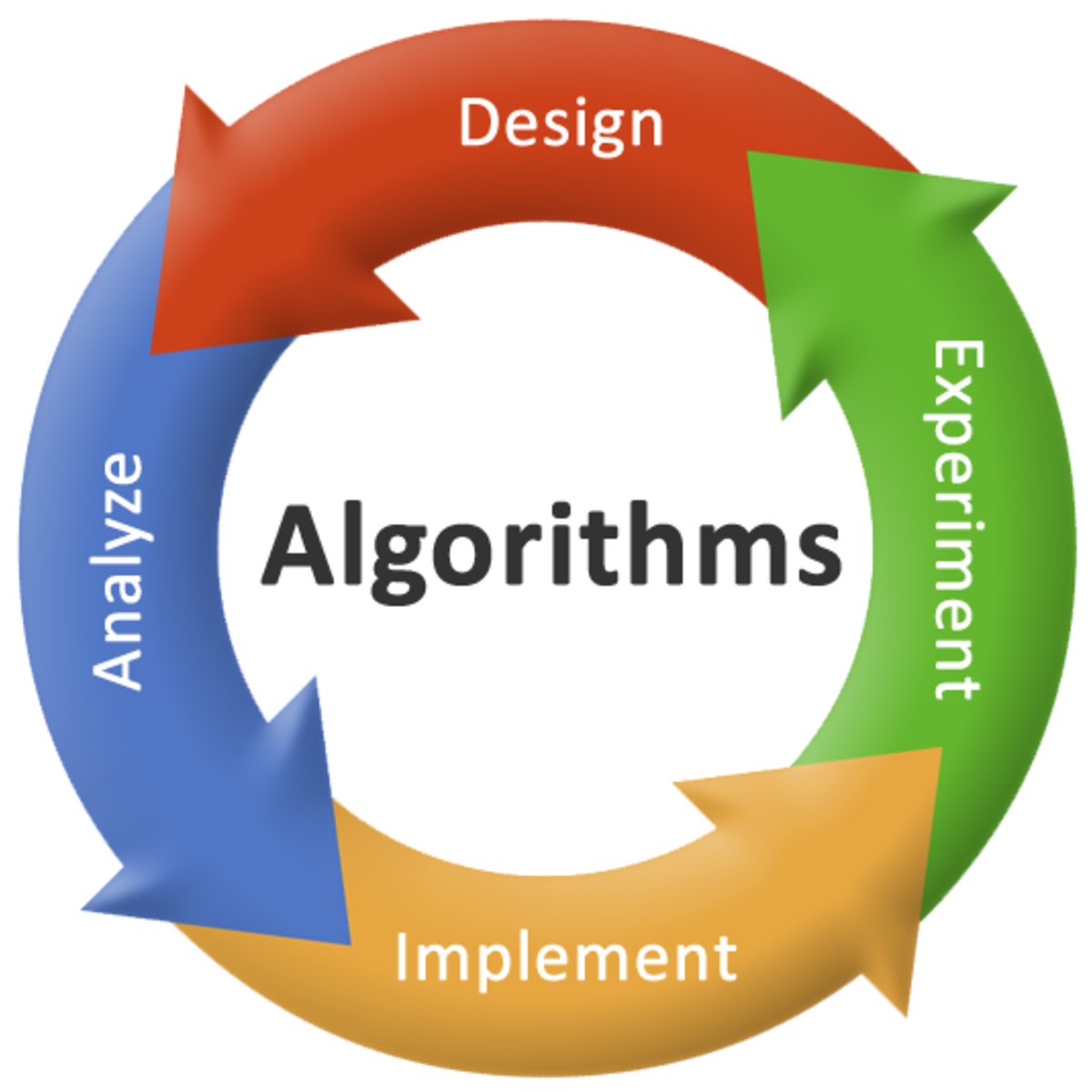
Graph Search, Shortest Paths, and Data Structures
The primary topics in this part of the specialization are: data structures (heaps, balanced search trees, hash tables, bloom filters), graph primitives (applications of breadth-first and depth-first search, connectivity, shortest paths), and their applications (ranging from deduplication to social network analysis).
 Coursera
Entdecke verschiedene Arten von Facebook Ads
Nach Abschluss dieses Projekts kannst du, unabhängig davon, ob du eine neue Marke startest oder eine bestehende mithilfe deiner Social-Media-Strategie optimieren möchtest, die passende Werbeanzeige für deine nächste Werbekampagne auswählen. Aufgabe des Social Media Marketings ist es, kreative Wege zu finden um die Aufmerksamkeit der User für ihre Produkte und Dienstleistungen zu gewinnen. Dies erfolgt oftmals auf Basis eines sehr geringen Marketing Budgets. Ziel dieses Projekts ist es, verschiedene Arten von Facebook Ads kennenzulernen, und dich mit ihnen vertraut zu machen. Deine neu erworbenen Kenntnisse werden dir in Zukunft dabei behilflich sein die richtige Anzeige für deine Facebook Werbekampagne auszuwählen, um möglichst viele Facebook User zu erreichen. Du wirst heute zunächst einen Facebook Business Page Account erstellen. Anschließend wirst du verschiedene Arten von Facebook Ads kennen- und unterscheiden lernen. Abschließend werden wir auf Facebook Ads zuzugreifen. Diese Schritte werden dir bei der Erstellung zukünftiger Werbekampagnen behilflich sein.
 Universidad de los Andes
Datos no tradicionales en repositorios NoSQL
El curso Datos no tradicionales en repositorios NoSQL busca que identifiques consideraciones fundamentales para la implementación de una solución basada en información usando tecnologías NoSQL, los criterios para la selección y configuración de las herramientas, teniendo presente las necesidades de la aplicación y la diversidad de aproximaciones al modelaje de información semiestructurada y no estructurada. El curso está dirigido a personas con conocimientos básicos en manejo de herramientas computacionales y programación en al menos uno de estos lenguajes (Python, Java).
 Starweaver
Digital Forensics Essentials
Are You Ready to Uncover the Truth Hidden in Digital Evidence? Digital forensics is not just for law enforcement agents and agencies, it is for anyone who wants to understand how to investigate cyber-incidents, recover deleted files, trace unauthorized activity, and ensure the integrity of digital systems. In a world where almost every crime has a digital footprint, knowing how to collect and analyse that evidence is essential. Whether you want to pursue a career in cybersecurity, protect your organization from insider threats, or simply understand how digital investigations work, this course is your gateway to the fast-growing field of digital forensics. This beginner-friendly course will demystify the process of digital investigation and give you the confidence to analyze data, use forensic tools, and build defensible reports. You’ll explore file systems, memory analysis, data acquisition, and reporting techniques all through clear explanations and practical hands-on labs. Unlike a one-size-fits-all tutorial, digital forensics requires precision, patience, and a strong sense of ethics. This course will guide you step-by-step through real-world scenarios, forensic best practices, and essential toolkits to help you uncover and preserve digital evidence with clarity and confidence. This course is designed for IT professionals transitioning into cybersecurity, computer science students and beginners building foundational skills, law enforcement or legal professionals working with digital evidence, and anyone curious about how cybercrimes are investigated and solved. Learners should have basic computer literacy, be familiar with operating systems such as Windows or Linux, and bring a genuine curiosity about cybersecurity or digital investigations to make the most of the course. By the end of the course, you will be able to explain the role of digital forensics in cybersecurity, collect and preserve digital evidence using standard forensic procedures, perform foundational forensic analysis with industry tools, and create clear, structured reports that document your investigative findings. You will also build the confidence to approach digital investigations methodically and ethically in real-world scenarios.