

The Global Scholarly Directory.
Discover world-class academic programs curated for the modern intellectual. Search through 19877+ degrees and professional certificates.
 EDUCBA
Python Tkinter: Design, Build & Integrate GUIs
By the end of this course, learners will be able to design interactive Python GUI applications, apply layout managers for widget organization, implement event-driven programming, and integrate real-world projects with database connectivity. They will also gain the ability to develop calculators, cafe management systems, and advanced interfaces with pricing and receipt functions. This course takes a structured, step-by-step approach to mastering Python GUI programming with Tkinter. Starting with foundational concepts, learners progress through layout management, event handling, and message boxes before moving to complete projects like calculators and management systems. Practical lessons ensure that each concept is directly applied in real-world scenarios, including MySQL database integration for persistent data handling. Unlike many courses that focus solely on theory, this program emphasizes building full-fledged applications, giving learners hands-on experience with professional-grade projects. Whether you’re a beginner aiming to enhance your Python skills or a developer seeking to build desktop applications, this course equips you with the practical knowledge and problem-solving skills required to create powerful, user-friendly GUIs.
 University of Glasgow
Generative AI for Data Science
This course introduces practical techniques for effectively using, evaluating, and responsibly applying generative AI in data science and statistics. Participants will gain a clear understanding of how generative AI models work and learn how to integrate AI tools into their own analytical workflows to enhance productivity, insight generation, and communication. The course focuses on four key areas: understanding the underlying principles, strengths, and limitations of generative AI models; developing a structured framework for ongoing learning and professional development with AI; best practices for transparently reporting and documenting generative AI use; and promoting safe, ethical, and responsible use of generative AI in data-driven work. This course is designed for data analytics professionals who want to use generative AI more effectively in their work. It is suitable for those with some experience in data analysis who are new to generative AI, as well as practitioners seeking to strengthen their understanding of its capabilities, risks, and best practices. By the end of the course, participants will be able to confidently evaluate generative AI tools, integrate them into their workflows, communicate their use clearly and responsibly, and make informed decisions about when and how generative AI should be applied in data science contexts.
 Logical Operations
Getting the Most from Your Documents with GenAI
Business users have found many ways to take advantage of generative artificial intelligence (GenAI) tools such as ChatGPT, Copilot, Gemini™, and Claude. These tools can help you get work done faster and more efficiently. This includes the authoring of content within word processing tools like Microsoft® Word, Google Docs™, and LibreOffice® Writer or desktop publishing tools such as Adobe® InDesign®, Microsoft Publisher®, and QuarkXPress. GenAI tools can help you brainstorm ideas to inspire your writing and can help you create and revise text and image content for a wide range of writing and documentation projects. And all these tasks can be accomplished using free online AI tools. This course is designed for professionals in a variety of roles who currently create and edit documents to accomplish business tasks, and who want to enhance their use of word processing and desktop publishing applications by leveraging freely available generative AI tools. In this course, you will: select and use generative AI tools to generate ideas for your written documentation, use generative AI tools to develop text content for your word-processing documents, and use generative AI tools to produce images and design ideas you can use in your documents. This course assumes the use of Microsoft Word for document-related tasks, but other document programs like Google Docs should be sufficient. You also need access to free accounts for major genAI services like ChatGPT and Gemini.
 Coursera
GenAI for Product Marketers: Data-Driven Campaigns
Curious about using AI to make your marketing campaigns actually work? Perfect - I've got just the course for you! In just 60-95 minutes, we'll dive into some seriously cool tools like ChatGPT, and Google Ads AI(and trust me, you don't need any coding knowledge). I'll show you real examples - like how Michaels Stores crushed it with AI and boosted their email performance by 25%! We'll get our hands dirty with real campaigns, and I'll walk you through everything from finding your perfect audience to running A/B tests that make sense. Whether you're into digital marketing, product marketing, or just want to make your campaigns work smarter, this is your jam. The best part? You'll actually practice what you learn through interactive projects and labs - no boring theory here! By the end, you'll know exactly how to use AI to get better results without working yourself to death. We've got marketing managers, analytics pros, and campaign strategists all learning these tricks - why not you? This course is designed for professionals looking to enhance their marketing strategies with AI-driven insights. Digital marketing managers will learn how to optimize campaigns using GenAI, while product marketing specialists will explore AI-powered personalization at scale. Marketing analytics professionals will enhance predictive capabilities, and campaign strategists will refine targeting accuracy for better engagement and conversion rates. To fully benefit from this course, participants should have a basic understanding of digital marketing platforms, familiarity with marketing analytics, and experience running campaigns. No coding skills are required—just a willingness to explore how GenAI can streamline workflows, improve targeting, and drive better results. By the end of this course, learners will analyze GenAI fundamentals and their role in modern marketing. They will gain hands-on experience with AI-powered marketing tools and apply data-driven frameworks to optimize campaigns effectively. Additionally, participants will evaluate key performance metrics, leveraging AI insights to make informed strategic decisions and drive continuous marketing improvements.
 Coursera
Engineer Features and Evaluate Models for Production
Engineer Features and Evaluate Models for Production is an intermediate course for machine learning practitioners and data scientists who are ready to move beyond notebooks and build production-grade ML systems. Getting a model to work once is easy; making it reliable, reproducible, and efficient in production is the real challenge. This course provides the engineering discipline to bridge that gap. You will learn to build robust, reproducible feature engineering pipelines using scikit-learn's ColumnTransformer to handle mixed data types—numeric, categorical, and text—in a single, elegant workflow. Then, you will move beyond simple accuracy scores and learn to evaluate experiments like a seasoned MLOps professional. Using TensorBoard, you will inspect training and validation curves to diagnose issues such as overfitting, analyze performance trade-offs, and make data-driven decisions. The course culminates in a comprehensive Feature Engineering and Evaluation Report, where you will apply your skills to select a production-ready model. By the end, you will not only be building models, but also be capable of engineering reliable, efficient, and production-worthy ML systems.
 Duke University
Open Design
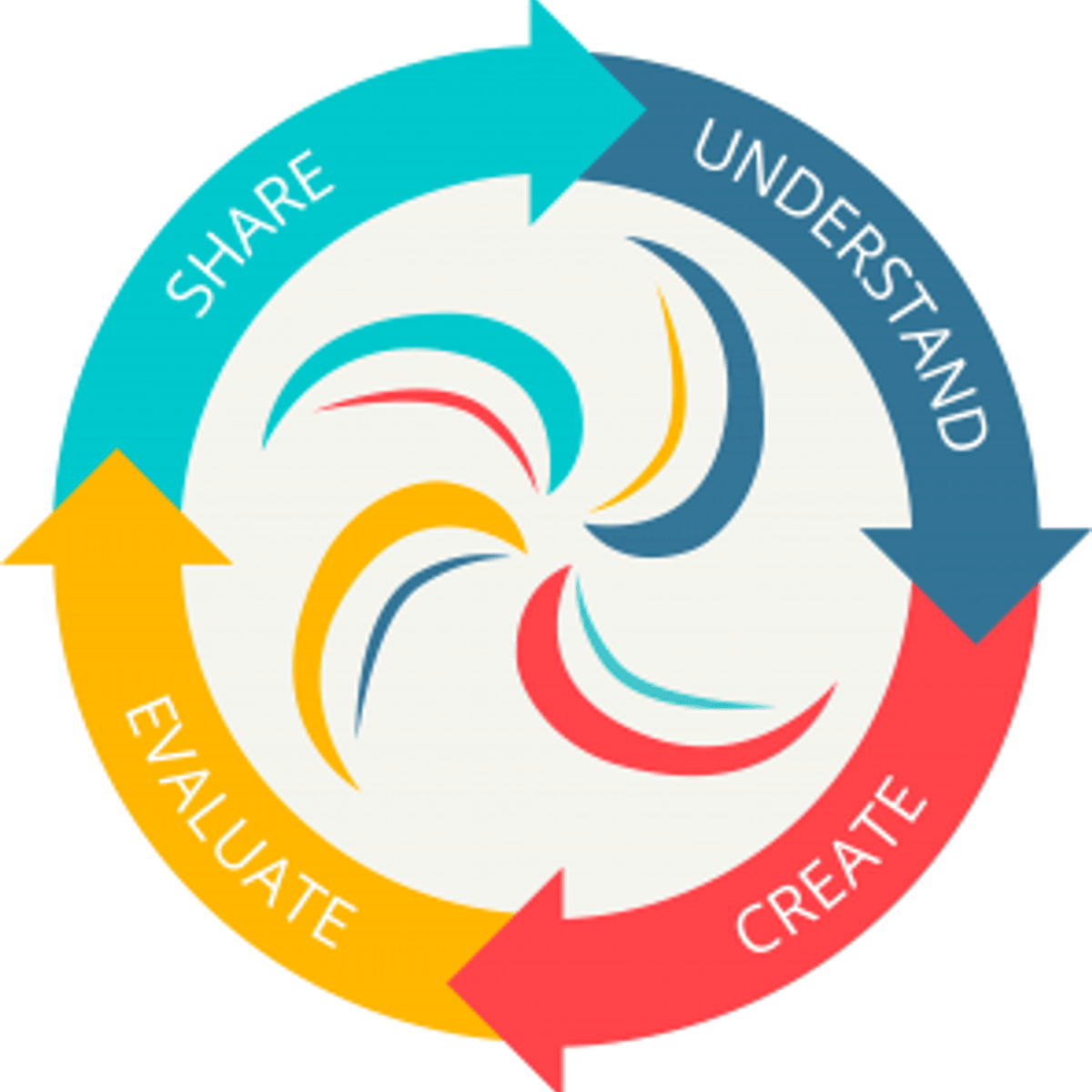
What is design? How is it a deeply human endeavor? How can we design better products, services, and experiences in our communities? If you’re interested in helping create a more equitable and accessible world, this Center for Computational Thinking module on Open Design is for you. In this introductory module to Open Design, you’ll learn how you can center equity in your design processes. You’ll learn how the iterative four mindsets of Open Design — understand, create, evaluate, and share — will guide you to meaningfully impact your community. The principles at the heart of Open Design — active inclusivity, transparency, and collaboration — are applicable to work in all fields, providing you with a reflective framework as you make important decisions. This module provides the background on Open Design and its relationship to similar methodologies. After completing this introductory module, you should have the knowledge necessary to explain Open Design to others — and continue your Open Design journey with other learning opportunities.
 Emory University
Mastering Business Essentials: Strategy
Strategy is about sustainable competitive advantage. Create massive value for customers and protect your profits. Strategy is about winning. Play your own game and use your unfair advantage.
 Coursera
ServiceNow Basics: IT Automation & AI-Powered Workflows
Ready to transform your IT operations and automate the future? With ServiceNow, you can revolutionize how your organization operates by leveraging AI-driven workflows that address inefficiencies and drive success. Whether you're just starting with digital workflows or aiming to optimize everyday IT tasks, ServiceNow Basics: IT Automation & AI-Powered Workflows equips you with practical skills to automate, innovate, and elevate your organization’s efficiency. In this course, you will learn how to navigate the ServiceNow platform, design intelligent workflows, and utilize AI tools (Predictive Intelligence, Virtual Agent, Artificial Intelligence for IT Operations (AIOps), and Performance Analytics) that reduce the manual effort involved in IT operations. Through real-world examples and hands-on projects, you will progress from foundational knowledge to functional confidence, preparing you to implement intelligent automation strategies. This course is designed for entry-level IT professionals eager to develop automation skills, as well as business analysts and process owners focused on modernizing legacy workflows. It also serves IT support or help desk specialists transitioning to digital platforms, aspiring ServiceNow workflow designers, and professionals preparing for ServiceNow certification or ITSM-focused roles. To get the most out of this course, learners should have a basic understanding of IT service management concepts such as incidents, service requests, and changes. Familiarity with cloud-based platforms or SaaS tools is recommended. While no coding is required, general comfort with web-based applications will help learners navigate and apply the tools more effectively. By the end of the course, learners will be able to confidently navigate the ServiceNow interface and use it to support ITSM processes. They will design automated workflows using key modules like Incident, Request, and Change and explain how AI tools such as predictive intelligence and virtual agents enhance service quality. Learners will also be equipped to implement AI-powered workflows that streamline routine IT operations and improve overall service efficiency.
 Google Cloud
Solução de problemas do Google Workspace
Este curso foi criado para preparar admins do Google Workspace para resolver problemas comuns do Google Workspace. Também incluímos experiências práticas de diagnóstico e resolução de problemas no Gmail, Agenda e Drive, em que os estudantes vão navegar pelo Admin Console. Além disso, será possível analisar registros de auditoria para solucionar problemas de segurança, reunir informações e usar recursos disponíveis para solucionar e reportar problemas técnicos.
 University of Minnesota
Getting Started with IT-based Entrepreneurship
This course, "Getting Started with IT-based Entrepreneurship," guides aspiring entrepreneurs through the essential steps of starting on an IT-based entrepreneurial journey. It covers the lessons learned from successful entrepreneurs, understanding personal and team strengths, and identifying IT-enabled opportunities.
 Duke University
Rediscovering Wesleyan Mission
We invite you to join Duke Divinity School in “Rediscovering Wesleyan Mission,” the second of five courses in the Rediscovering the Heart of Methodism series, designed to help engaged laypeople and clergy (including local pastors in licensing schools) develop core capacities for innovative leadership within the Wesleyan tradition. This course is designed to help individuals and Christian communities rediscover the Wesleyan mission at its finest. It introduces Methodism’s history as a missionary movement and teaches us to recenter our histories within the story of God’s mission to the world. In addition, it explores key practices and commitments that undergird a Methodist sense of mission, including convictions about salvation. Above all, it gives us opportunities to attend to the Holy Spirit and discern how God may be prompting us and our communities to engage in mission today. If you are a pastor or ministry professional in need of Continuing Education Unit (CEU) credits for your professional development, CEU credits are available for this course. Upon successful completion of this course, you can provide your Coursera certificate and the course description to your employer for recognition of earning 0.5 CEUs. Contact divinityonline@duke.edu with any questions regarding CEUs for this course. Each of the 5 courses in the Rediscovering the Heart of Methodism specialization is worth 0.5 CEUs, for a total of 2.5 CEUs for completing all of the courses. Each course includes four weeks of interactive video lessons from Duke Divinity School faculty and Methodist leaders, plus an interactive course workbook PDF that includes exercises to accompany each video lesson and discussion guides for group meetings.
 University of Geneva
Securing Investment Returns in the Long Run
In this course, you will learn about the famous dichotomy between active and passive investing, how to appropriately measure and analyze investment performance and what the future trends in the investment management industry are. You will first learn about absolute and relative performance, risk-adjusted returns and how to decompose investment performance. The focus will then shift to the two main categories of investment vehicles, active and passive funds, and what they entail in terms of expected performance. Finally, you will explore the worlds of sustainable finance, neurofinance and fintech, three areas of research that will shape the future of the investment management industry. You will also benefit from the insights of experts from UBS, our corporate partner, on the practical implementation of the various concepts we will develop in this course.
 EDUCBA
3D Design in Blender: Learn, Create & Build
By the end of this course, learners will be able to navigate Blender’s interface confidently, manage collections and workspaces efficiently, apply transformations to objects, create simple 3D scenes, and refine models using essential tools like bevel and knife cuts. They will also be able to apply shaders and materials to bring realism to their designs. This beginner-friendly Blender course is designed for absolute newcomers to 3D modeling who want to build practical skills step by step. Learners will start by installing Blender, exploring its interface, and mastering basic navigation. The course then progresses to creating simple scenes, adding and transforming objects, and understanding how cameras and lighting shape a 3D environment. In the advanced section, students will dive into organizing their workflow with collections, customizing workspaces, applying shaders, and practicing core modeling tools that elevate creativity and precision. What makes this course unique is its clear module structure, practical demonstrations, and progressive learning path that ensures even beginners can create, edit, and organize professional-quality 3D models with confidence.
 Coursera
تصميم واجهة المستخدم في الـ XCode: إنشاء واجهة المستخدم
مرحبًا بك في مشروعنا الموجّه "تصميم واجهة المستخدم في الـ XCode: إنشاء واجهة المستخدم (UI Design in Apple XCode: Build an Interface)"! هذا المشروع موجّه لمطوري تطبيقات iOS في المستوى الأساسي والمتوسط الذين يبحثون عن تجربة تعليمية ممتعة ومليئة بالإبداع. في هذا المشروع العملي الذي يستغرق ٦٠ دقيقة، سنقوم معاً برحلة إبداعية مثيرة لبناء واجهة تطبيق رائعة تقدم توقعات دقيقة للطقس في المواقع المختارة. نهدف في هذا المشروع إلى تحقيق ثلاثة أهداف تعلمية جذابة: - ستتعلم كيفية خلق واجهة مستخدم ساحرة وسهلة الاستخدام، تصميم واجهة مستخدم سهلة الاستخدام باستخدام (Interface builder) في برنامج الـ XCode. - سنتعلم كيفية تنظيم عناصر واجهة المستخدم باستخدام قيود التخطيط التلقائي (Auto Layout) لضمان التخطيط السليم والاستجابة على مختلف أحجام الشاشة. - تجهيز واجهة التطبيق للنشر من خلال اختبار التطبيق على أجهزة مختلفة ومعالجة مشكلات واجهة المستخدم المحتملة. وبهدف النجاح في هذا المشروع، يفضل أن يكون لديك خلفية سابقة في برمجة تطبيقات iOS وتجربة العمل على أدوات Xcode. يجب أن تكون ملمًا بمفاهيم وأساسيات واجهة المستخدم وتخطيطاتها باستخدام Auto Layout. يعد هذا المشروع مناسبًا للمطورين على مستوى أساسي متوسط الذين يسعون لتعلم كيفية تصميم واجهات مستخدم فعّالة وجذابة باستخدام أدوات Xcode. بالإضافة إلى تطوير مهارات تصميم واجهة المستخدم، ستحصل على فهم أعمق لتقنيات تخطيط وتصميم واجهة المستخدم باستخدام واجهات UITableView وUICollectionView وUIScrollView. هذا المشروع سيزيد من إلمامك بتفاصيل وتقنيات Xcode. انضم إلينا في هذه الرحلة التعليمية الممتعة والمفيدة، واترك بصمتك في عالم تصميم واجهات تطبيقات iOS. نحن هنا لمساعدتك خطوة بخطوة على طول الطريق. انطلق معنا لبناء تطبيق توقعات الطقس الذي يجمع بين الجمال والوظائف الفعّالة!
 Coursera
Создаем дизайны для социальных сетей с помощью Canva
В этом проекте вы научитесь создавать дизайны для социальных сетей с помощью Canva на примере магазина сумок, риелтора и супермаркета. Примечание. Этот курс изначально создан для учащихся из Северной Америки. На данный момент мы адаптируем его и для других регионов.
 University of Michigan
Tobacco & Nicotine: Public Health, Science, Policy, and Law
This course provides a strong foundation in the history of smoking and other tobacco and nicotine use; the individual and public health impact; tobacco use prevalence trends in adults, youth and key subpopulations; and how cigarette smoking came to be, and remains to this day, the leading preventable cause of death in the U.S. and globally, despite the fact that tobacco control efforts have collectively constituted one of the most successful public health endeavors in our history. The course also explores the role of the tobacco industry in the epidemic, as well as the pursuit of accountability and industry behavior change through legal action; the rapidly evolving tobacco and nicotine product marketplace; the unique and ever-changing regulatory and other policy challenges that have emerged; and the implications of this rapid change for public health today and in the future. The course features 18 experts in a range of tobacco control areas and issues. Through a series of lectures, interviews, readings, and assessments, the course tells the story of smoking and tobacco and nicotine product use, focusing on the specific - but not unique - story of the U.S., while also presenting important information and insights from elsewhere in the world. The content of this course is solely the responsibility of the authors and contributors and does not necessarily represent the official views of the NIH or the Food and Drug Administration. Cliff Douglas, the former lead instructor for this course, was, throughout the entire period of the development of the course and at the time of its launch (May 2023), the Director of the University of Michigan Tobacco Research Network (UMTRN), as well as a Co-investigator with the Center for the Assessment of Tobacco Regulations (CAsToR) at the University of Michigan, Georgetown University, and the British Columbia Cancer Research Institute. As of October 2023, he released his affiliations with UMTRN and CAsToR and became the President and Chief Executive Officer of Global Action to End Smoking. The content of this course was not affected by his new role, nor will Mr. Douglas receive any revenue from this course at any point.