

The Global Scholarly Directory.
Discover world-class academic programs curated for the modern intellectual. Search through 19877+ degrees and professional certificates.
 Coursera
Segment and Retain Customers
Ready to move from chasing lapsed customers to proactively retaining them? Segment and Retain Customers is an intermediate-level course for marketing professionals who want to master two of the most powerful strategies in modern customer relationship management. If you're familiar with basic marketing concepts and comfortable with data in spreadsheets, this course will equip you to turn customer data into measurable retention wins. You will learn to segment your audience into precise lifecycle stages using HubSpot smart lists and design automated win-back workflows that re-engage users at the perfect moment. We’ll go beyond segmentation to uncover the why behind customer churn by conducting a cohort analysis, a technique used by industry leaders like Amazon to drive loyalty. Through hands-on activities, you will analyze churn drivers and develop compelling, data-backed retention tactics. By the end of this course, you won't just understand the theory; you'll have a complete, actionable toolkit to cut churn and cultivate a more loyal customer base.
 Coursera
Optimize SQL Queries: Uncover Performance Bottlenecks
Did you know that a single poorly optimized SQL query can slow down an entire data warehouse, impacting dashboards, applications, and business decisions? Identifying and fixing performance bottlenecks is critical to keeping analytical systems fast and scalable. This Short Course was created to help professionals in this field master advanced SQL performance optimization techniques for maintaining scalable data warehouses and analytical platforms. By completing this course, you will be able to analyze SQL query performance, interpret execution behaviors, and diagnose bottlenecks that impact speed and efficiency—skills that enable you to optimize workloads and sustain high-performing data environments. By the end of this 3-hour long course, you will be able to: Analyze query performance to diagnose and resolve execution bottlenecks. This course is unique because it combines real-world performance tuning with deep execution analysis, giving you a practical foundation for optimizing complex SQL workloads and improving end-to-end system responsiveness. To be successful in this project, you should have: Intermediate SQL querying experience Understanding of database concepts Data warehouse experience Familiarity with execution plan basics Did you know that a single poorly optimized SQL query can slow down an entire data warehouse, impacting dashboards, applications, and business decisions? Identifying and fixing performance bottlenecks is critical to keeping analytical systems fast and scalable. This Short Course was created to help professionals in this field master advanced SQL performance optimization techniques for maintaining scalable data warehouses and analytical platforms. By completing this course, you will be able to analyze SQL query performance, interpret execution behaviors, and diagnose bottlenecks that impact speed and efficiency—skills that enable you to optimize workloads and sustain high-performing data environments. By the end of this 3-hour long course, you will be able to: Analyze query performance to diagnose and resolve execution bottlenecks. This course is unique because it combines real-world performance tuning with deep execution analysis, giving you a practical foundation for optimizing complex SQL workloads and improving end-to-end system responsiveness. To be successful in this project, you should have: Intermediate SQL querying experience Understanding of database concepts Data warehouse experience Familiarity with execution plan basics
 Coursera
RF/Microwave Design - Impedance Matching
Impedance matching is one of the most critical aspects of RF design, and its complexity grows significantly in wideband systems used in modern communications. This course provides a structured way through the fundamentals of RF impedance, mismatch phenomena, and the quantitative metrics used to evaluate performance. Learners will explore classical single-frequency matching techniques before progressing to broadband solutions like binomial and Tschebyscheff transformers. The final section focuses on wideband impedance matching challenges in antenna arrays and practical system design trade-offs for minimizing loss. Designed for RF engineers and technical professionals, the course blends theoretical aspects with modern real-world examples, enabling participants to apply RF impedance matching strategies confidently in systems as 5G, Wi-Fi, and other wideband networks. This course is designed for electrical and electronics engineers, RF design professionals, and advanced students interested in microwave circuit design. It’s ideal for those working with antennas, amplifiers, or multi-channel systems who want to enhance efficiency and minimize signal loss. Learners should have a basic understanding of RF circuit theory and familiarity with transmission lines, S-parameters, and network analysis concepts. Prior experience with simulation or design tools will be helpful but not required. By the end of this course, you will understand how RF impedance works, why mismatches matter, and which performance metrics shape wideband system behavior. You’ll be able to apply both classical and broadband matching techniques to single-band and multiband designs, and confidently assess matching strategies for advanced applications such as 5G antennas, phased arrays, and complete RF systems.
 The University of Melbourne
Global Adolescent Health
This course will explore the dynamic factors affecting the health and wellbeing of young people around the world, and how important it is for individuals, communities and nations that we improve the health and life chances of this important population group. With over 25% of the world’s population aged between 10 and 24 years, today’s generation of young people is the largest in human history. As the future leaders and drivers of growth, productivity and innovation, young people are our greatest assets, and investment in their health and wellbeing has social, economic and other benefits that continue across the lifespan and into the next generation. In this course we will adopt a life-course framework to take a holistic view of youth health and wellbeing. We will explore changing patterns of adolescent health and development, including why adolescence is starting earlier and ending later; how puberty and adolescent brain development may shape future health; and how what happens in adolescence can affect the start to life for the next generation. We’ll also look at the major health and social issues affecting young people and ways of addressing these through policy, practice and programming. COURSE FORMAT: This course comprises short video lectures and interviews, required and recommended readings, online discussion, quizzes and written assignments. There is no required text for this course and all readings are provided. DO I HAVE TO PAY FOR THIS COURSE? No- you may access 100% of material in this course for free. You are also welcome to do as much or as little of the course as you like, including all (or none!) of the assessment tasks- it all depends on your learning goals. The option to pay for this course is there for those who wish to receive a Course Certificate as evidence of completion (which does require you to attempt and successfully pass the assessment tasks). WHO IS THIS COURSE FOR? This course will be relevant for anyone with an interest in the health and wellbeing of young people. You do not need to be of any particular personal or professional background to benefit from this course, but having some basic undergraduate study experience will be helpful to your learning (particularly if in a health related field). WHAT IS THE MOST INTERESTING THING I'LL LEARN IF I TAKE THIS COURSE? You’ll learn how so much of what happens during adolescence can impact not only the future health of individuals, but the health of the next generation as well. You’ll develop a greater understanding of the key factors impacting upon youth health and learn how to be a better advocate for the health and wellbeing of young people. View the MOOC promotional video here: http://tinyurl.com/z5l4mod
 University of Colorado System
The Newborn Assessment
In your previous course, you learned some medical interventions and skills to keep newborns healthy in the days and weeks after they have been born. In this course, you will learn what some additional skills that medical providers do to keep babies healthy. The Newborn Assessment Course will walk you through the physical examination from head to toe. You are going to learn that this is so much we can discover just by looking at a baby. And yes, we will be listening too, and discussing how medical equipment, such as a stethoscope or a pulse oximeter, can help in your exam. You will begin to be able to distinguish some normal findings from some abnormal findings. A newborn baby is an amazing beautiful life filled with hope. There is so much that goes into making sure that babies are born healthy, and so much more to think about after they are born. Whether you are in the health care field, or even a parent, this course is the perfect educational opportunity for you to keep newborn babies healthy in the days and weeks after they are born!
 Packt
Packt
PowerPoint Data Viz – Business Charting Techniques
This course features Coursera Coach! A smarter way to learn with interactive, real-time conversations that help you test your knowledge, challenge assumptions, and deepen your understanding as you progress through the course. Mastering PowerPoint charting techniques can significantly elevate your ability to communicate data insights effectively. This course empowers you with a comprehensive understanding of the most powerful charts in PowerPoint, from line and column charts to complex visualizations like waterfall and pictographs. By learning these techniques, you'll be equipped to design presentations that captivate your audience and convey data in a meaningful way. The course starts by introducing you to the basics of PowerPoint charts, including essential elements like color schemes, design principles, and chart customization. As you progress, you’ll dive deeper into data visualization types, learning the best practices for applying them to different business contexts. Key topics include line charts, column/bar charts, pie charts, and more, along with tips on animation and creating dynamic presentations. This course is perfect for business professionals, marketers, and anyone looking to improve their data visualization skills. While no prior experience with PowerPoint is required, a basic understanding of business data and charts will be helpful. This course is suited for those with an intermediate skill level in PowerPoint. By the end of the course, you will be able to design clear, compelling charts in PowerPoint, apply advanced customization techniques, and animate data visualizations for impactful presentations.
 Coursera
Accounting Principles, Compliance, and Audit Readiness
You'll gain the essential skills to excel as an accounting assistant by integrating GAAP principles, financial analysis, and modern digital compliance practices. This hands-on course prepares you to handle real-world accounting challenges, from recording journal entries and analyzing budget variances to conducting audit reviews and implementing secure digital filing systems. You'll work with trial balances, investigate financial discrepancies, and develop process improvement recommendations that demonstrate your analytical thinking. The course emphasizes practical application of accounting standards while building proficiency with digital record management and metadata indexing systems that modern accounting departments require. By combining traditional accounting fundamentals with contemporary compliance and technology skills, you'll be positioned for immediate contribution in accounting assistant roles. You'll create a portfolio-worthy audit report and digital filing framework that showcases your ability to maintain accurate financial records, ensure regulatory compliance, and support audit readiness—capabilities that employers actively seek in today's accounting environment.
 Alex Genadinik
Bitcoin Use For Daily Life - Plus Savings And Discounts
You might think that Bitcoin is for nerds, but it is actually an amazing way to get savings in your everyday life. Did you know that you can get savings at your favorite retailers like Amazon or Starbucks if you use Bitcoin? Yes, you can get 10-20% OFF if you transact with Bitcoin instead of government issued currencies. Bitcoin can also be used as an investment but whereas your other investment profits are taxed by your governments, Bitcoin profits are not taxed. Plus, unlike other investments where you are lucky to make 10% year over year, Bitcoin has grown 10x year over year. That's 1000% percent! In this course, I will also show you how to earn Bitcoin online without having to invest in it. You would earn Bitcoin instead of dollars. No tax on your earnings and your Bitcoin might grow 1000% year over year for years to come. Sign up for this course today and begin exploring the amazing world of Bitcoin and integrate it into your daily life, making it better. INSTRUCTOR BACKGROUND I've been an entrepreneur for 20+ years, have coached 1,000+ entrepreneurs in person, taught 1,000,000+ students, impacted millions of entrepreneurs worldwide creating 6 and 7-figure businesses in the process, and I would love to help you. DISCLAIMER 1: The content in this course is not investment advice, not legal advice, and not accounting advice. DISCLAIMER 2: You will have to sign up for some services shown in the course and some services are paid. I am only showing you industry-standard services and I don't profit from showing them to you. I only show them for educational purposes. Invest in your future. Enroll now.
 Google Cloud
Introduction to Generative AI Studio - Italiano
Questo corso illustra Generative AI Studio, un prodotto su Vertex AI che ti aiuta a prototipare e personalizzare i modelli di AI generativa in modo da poterne utilizzare le capacità nelle tue applicazioni. In questo corso imparerai cos'è Generative AI Studio, le sue funzionalità e opzioni e come utilizzarlo, esaminando le demo del prodotto. Alla fine, troverai un laboratorio pratico per mettere in pratica ciò che hai imparato e un quiz per testare le tue conoscenze.
 Ludwig-Maximilians-Universität München (LMU)
Competitive Strategy and Organization Design Project
This industry project is designed to allow you to apply the knowledge you have gained throughout the specialization for advising a real company. Our partner company will approach you with two specific questions the company is currently facing and that relate to the content of the specialization. You are asked to choose one of these questions and conduct an in-depth research on the topic. You need to collect relevant information, analyze it and relate it to the content you have learned throughout the Specialization. Based on your findings you will write a final report summarizing your research and consult the company how to deal with the issues they are facing.
 Pearson
Go Fundamentals: Presented by Gopher Guides
Go Fundamentals LiveLessons is a practical online course designed for beginners and experienced programmers who want to learn Go. Based on the proven Gopher Guides training, this course covers everything you need to start writing reliable, efficient Go code for real-world applications. You’ll learn how to manage packages, modules, and dependencies, use Go’s basic features like variables, types, and control flow, and work with arrays, slices, maps, and functions. The course also teaches you how to use structs, methods, and pointers, write and run tests, and handle errors effectively. You’ll gain skills in using interfaces and generics to write flexible code, and learn how to use Go’s concurrency features—including channels, context, and synchronization tools—to improve performance. Practical lessons on file operations and embedding resources round out your knowledge, preparing you to build self-contained Go programs. No prior experience with Go is required, but familiarity with other programming languages is helpful. By the end of the course, you’ll be able to write clear, robust Go code and understand the key concepts needed for professional development.
 Institut Mines-Télécom
Un carnet interculturel pour une mobilité universitaire
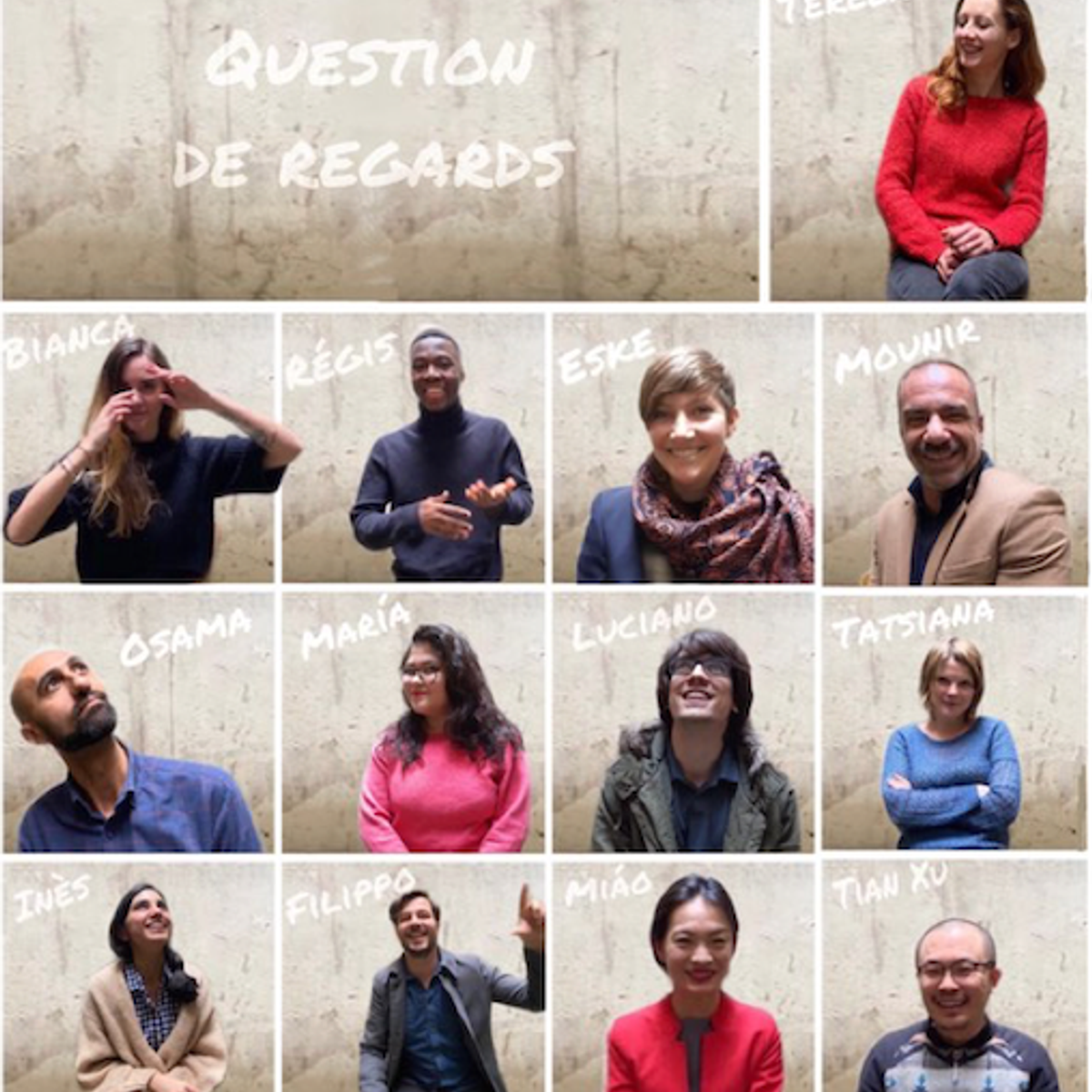
Consulter le teaser du MOOC (lien à copier) : https://www.coursera.org/lecture/carnet-interculturel/teaser-H4C3e Le premier mooc qui permet de - Retracer son expérience culturelle et linguistique en tant qu’étudiant, doctorant ou enseignant chercheur dans l’enseignement supérieur français - Prendre conscience des enjeux interculturels de cette expérience de mobilité (réelle ou virtuelle) - Développer une compétence interculturelle en pratiquant une démarche réflexive à l'aide d'outils et de concepts - Expérimenter et initier la production d’un carnet à vocation interculturelle
 National Taiwan University
機器學習技法 (Machine Learning Techniques)
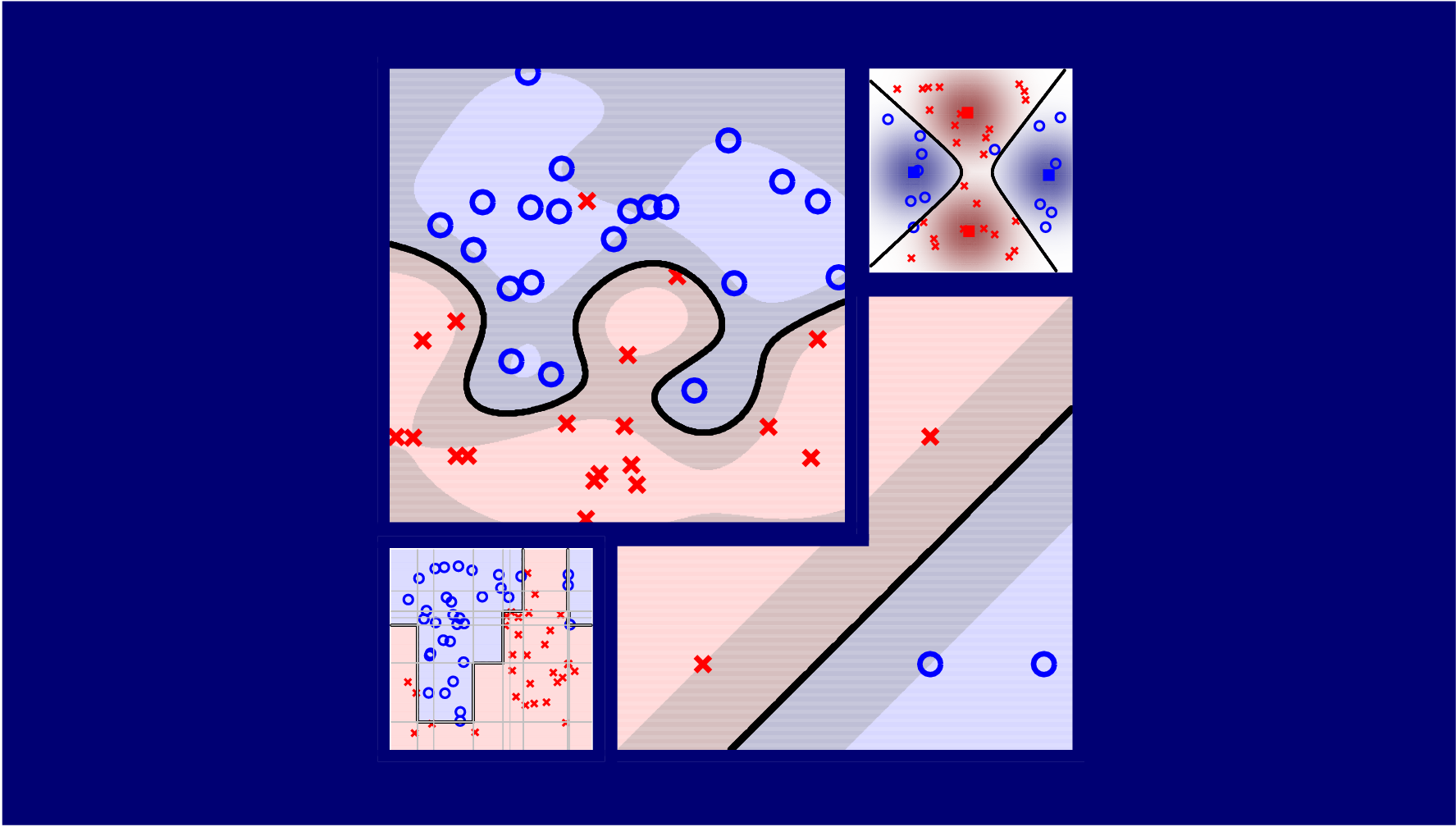
The course extends the fundamental tools in "Machine Learning Foundations" to powerful and practical models by three directions, which includes embedding numerous features, combining predictive features, and distilling hidden features. [這門課將先前「機器學習基石」課程中所學的基礎工具往三個方向延伸為強大而實用的工具。這三個方向包括嵌入大量的特徵、融合預測性的特徵、與萃取潛藏的特徵。]
 Google
시스템 관리 및 IT 인프라 서비스
이 강좌에서는 회사 전체의 IT 시스템과 네트워크, 인프라, 소프트웨어, 서버 등을 관리하는 방법을 안내합니다. 시스템 관리는 멀티 사용자 환경에서 안정적인 컴퓨터 시스템을 유지보수하는 업무를 담당하는 IT 분야입니다. 이 강좌에서는 규모에 상관없이 모든 조직을 계속 운영하는 데 필요한 인프라 서비스에 대해 알아봅니다. 클라우드에 관해 일반적인 클라우드 인프라 설정부터 클라우드 리소스 관리 방법에 이르기까지 모든 사항을 이해하시도록 자세히 살펴보겠습니다. 서버를 관리하고 구성하는 방법과 업계 도구를 사용하여 컴퓨터, 사용자 정보, 사용자 생산성을 관리하는 방법에 대해서도 알아봅니다. 마지막으로 재해 발생 시 조직의 IT 인프라를 복구하는 방법에 대해 알아봅니다. 이 강좌가 끝나면 다음을 할 수 있게 됩니다. ● 조직에 맞는 하드웨어, 공급업체, 서비스를 선택하기 위한 권장사항 활용 ● 조직을 계속 운영하는 가장 일반적인 인프라 서비스의 작동 방식과 인프라 서버를 관리하는 방법 파악 ● 조직을 위해 클라우드를 최대한 활용하는 방법 파악 ● 디렉터리 서비스, Active Directory, OpenLDAP을 사용한 조직의 컴퓨터 및 사용자 관리 ● 조직에서 사용할 도구 선택 및 관리 ● 조직의 데이터를 백업하고 재해 발생 시 IT 인프라 복구 방법 파악 ● 시스템 관리 지식을 활용하여 IT 환경에 맞는 프로세스를 계획하고 개선
 Coursera
Trello para Principiantes
Al final de este proyecto guiado, crearás un espacio de trabajo en Trello con tableros y tarjetas automatizadas, para la gestión de proyectos. Trello es una aplicación multidispositivo, que te permite gestionar proyectos de forma sencilla y rápida. Presenta muchos beneficios entre los que se destacan: - Se integra con herramientas como Google Drive, Gmail, Microsoft Teams, Bitbucket, GitHub, Slack, entre otros. - Trabajar de manera colaborativa - Personalizar flujos de trabajo para distintos proyectos. - Cargar archivos, fotos y videos. - Trabajar sin conexión y los tableros se sincronizan cuando nuevamente se vuelva conectar. Este proyecto está diseñado para desarrollar tareas paso a paso, lo que te proporcionará el uso y aprendizaje fácil de las diferentes características y herramientas de Trello. Daremos inicio con un recorrido por la interfaz y el reconocimiento de las principales opciones. A continuación, podrás crear un tablero y sus respectivas listas para posteriormente agregar tarjetas, las cuales serán personalizadas añadiendo etiquetas, fechas de entrega, responsable y lista de verificación. Finalmente, lograrás automatizar las tarjetas para realizar acciones al cumplimiento de otras. El nivel del proyecto es básico y está planeado para gestores de proyectos, desarrolladores, organizadores de eventos o personas que deseen gestionar sus proyectos de forma sencilla y eficaz con Trello. A medida que realices cada tarea, irás comprendiendo el uso de las funcionales de Trello. Actualmente, esta herramienta es una de las más usadas para la gestión de proyectos, por lo que aprender a usarla, aporta un valor importante a tu curriculum y, además, tendrás los conocimientos necesarios para realizar gestionar de manera eficiente proyectos de cualquier área.
 Coursera
Data Engineering: Pipelines, ETL, Hadoop
This course provides a comprehensive guide to mastering data engineering, where you'll learn to build robust data pipelines, delve into ETL (Extract, Transform, Load) processes, and handle large datasets using Hadoop. You will gain expertise in extracting data from various sources, transforming it into a usable format, and loading it into data warehouses or big data platforms. With hands-on experience in Hadoop, the industry-standard framework for handling massive datasets, you’ll learn to manage and process massive datasets efficiently. Whether you're a beginner or an experienced professional, this course equips you with the skills to design, implement, and manage data pipelines, making you a valuable asset in any data-focused organization. This course is ideal for aspiring data engineers, software developers interested in data processing, and IT professionals looking to expand their expertise into data engineering. It is also suitable for business analysts and other professionals who seek a foundational understanding of data handling technologies to improve decision-making capabilities and enhance their roles in data-driven environments. Whether you are just starting your journey in data engineering or looking to strengthen your existing skills, this course will provide the knowledge and tools you need to succeed. To get the most out of this course, you should have a basic understanding of programming concepts and some familiarity with database systems. A foundational knowledge of Python programming and SQL will be helpful, as will an understanding of relational database systems. No prior experience with Hadoop is required, but a keen interest in big data and data analytics will greatly enhance your learning experience. By the end of this course, you will be able to analyze the architecture and components of data pipelines and understand their impact on data flow and processing efficiency. You will learn how to implement robust ETL processes that are scalable and maintainable, and you will be equipped to handle big data challenges using Hadoop’s ecosystem tools, such as HDFS, MapReduce, Hive, Pig, and Spark. This course will prepare you to design, implement, and manage data solutions that can drive meaningful insights and support strategic decision-making in any organization.