

The Global Scholarly Directory.
Discover world-class academic programs curated for the modern intellectual. Search through 19877+ degrees and professional certificates.
 Wesleyan University
Introduction to Abnormal Psychology
This course presents an overview of the major domains of abnormal psychology. The course is made up of 5 modules, the first of which provides an introduction to the field through discussions of the concept of psychological abnormality, assessment and classification, and the major models in use for understanding psychological abnormality. The remaining four modules provide overviews of major domains of abnormal psychology, including mood disorders, anxiety disorders, stress and trauma-related disorders, and schizophrenia spectrum disorders. Lectures within each of these modules address symptoms and behaviors, epidemiology, causal theories, treatment interventions and multicultural findings and considerations. The course also seeks to assist participants with becoming more adept at noticing when a family member, friend, or colleague may be experiencing psychological distress, as well as develop the comfort level required for initiating an empathic, compassionate conversation with a person of concern. Toward this goal, the last lecture of each module is dedicated to the topic “Foundations of Empathy.” This course is not designed to assist participants with resolving their own experiences of psychopathology, nor it is intended to prepare participants to act as psychotherapists for distressed individuals in their personal lives.
 Coursera
Content Creation With Generative AI
Increasingly, marketers are integrating AI into their marketing operations, enhancing efficiency, creativity, and innovation—don’t get left behind! Unlock the potential of generative AI with this dynamic course designed to help you integrate AI and transform the impact of your content marketing. Dive into the world of content marketing, exploring the latest generative AI technologies that revolutionize copywriting and image generation. Learn best practices and discover how to seamlessly integrate tools like ChatGPT and Canva into your marketing operations, ensuring your content stands out in a crowded marketplace. Tailored for marketing and communications professionals, this course empowers you to harness AI to streamline your content creation process, boosting both efficiency and creative impact. By completing this course, you’ll master the use of generative AI tools, crafting compelling marketing content that drives engagement and keeps you ahead of the competition. In just two hours, you will learn to: - Select suitable generative AI tools for targeted and impactful copywriting and visual assets - Create marketing content by applying GenAI best practices to enhance creativity and innovation As the landscape of modern marketing evolves, stay at the forefront by leveraging state-of-the-art AI technology to expand your creative capabilities. You'll also gain insights into ethical considerations and best practices for AI-generated content, ensuring your marketing efforts are both impactful and responsible. To thrive in this course, a foundational understanding of marketing principles is essential. Familiarity with generative AI is beneficial but not required—if you’ve heard of tools like ChatGPT, you’re already on the right track. Requirements: - Canva Pro: a paid plan (Canva offers a 30-day free trial) - ChatGPT: a free GPT-3.5 or paid Plus plan
 Coursera
Firebase Authentication: Build Secure Angular Apps
This Guided Project, "Authentication with Firebase: Build Secure Angular Projects" is for developers and web enthusiasts who want to enhance their skills in building secure Angular applications. In this 1-hour long project-based course, you will learn how to set up and configure Firebase authentication within an Angular project, develop user registration and login forms using different authentication methods like email/password and third-party providers such as Google and GitHub, and manage authentication flows effectively to protect specific areas of the application and ensure only authenticated users have access. Through hands-on learning, you will create and configure an Angular project, enable and implement different authentication methods, manage authentication state, and protect routes using guards. This project is unique because it combines theoretical understanding with practical application, enabling you to build a fully functional and secure Angular application by the end of the course. To successfully participate in this project, learners need a basic knowledge of Angular, familiarity with TypeScript syntax, certain comfort with using the command line interface and an active Google account as we will need it to login on the Firebase platform. Join us to enhance your Angular applications with secure and effective Firebase authentication and elevate your web development skills to the next level.
 Coursera
Income Features in ProfitBooks
By the end of this project you will be able to use ProfitBooks to manage your small business’ income. You will learn about sales orders, invoices, services, and estimates. You will be able to take a sales order from beginning to end in the system, as well as reconcile invoices attached to sales orders. As you continue through the project you will learn how to manage inventory, add services, and create estimates for customers. You will gain the fundamentals to manage income using ProfitBooks. ProfitBooks hosts your information on the secure and widely-trusted Amazon Web Services (AWS). The company has also implemented additional security features like secure-access, built-in firewalls, encrypted data storage and periodic back-ups to keep your data safe. You can read more about their security policy here: https://www.profitbooks.net/cloud-data-security/
 IBM
IBM
Introduction to NoSQL Databases
Get started with NoSQL Databases with this beginner-friendly introductory course! This course will provide technical, hands-on knowledge of NoSQL databases and Database-as-a-Service (DaaS) offerings. With the advent of Big Data and agile development methodologies, NoSQL databases have gained a lot of relevance in the database landscape. Their main advantage is the ability to handle scalability and flexibility issues modern applications raise. You will start this course by learning the history and the basics of NoSQL databases (document, key-value, column, and graph) and discover their key characteristics and benefits. You will learn about the four categories of NoSQL databases and how they differ. You’ll also explore the differences between the ACID and BASE consistency models, the pros and cons of distributed systems, and when to use RDBMS and NoSQL. You will also learn about vector databases, an emerging class of databases popular in AI. Next, you will explore the architecture and features of several implementations of NoSQL databases, namely MongoDB, Cassandra, and IBM Cloudant. You will learn about the common tasks that they each perform and their key and defining characteristics. You will then get hands-on experience using those NoSQL databases to perform standard database management tasks, such as creating and replicating databases, loading and querying data, modifying database permissions, indexing and aggregating data, and sharding (or partitioning) data. At the end of this course, you will complete a final project where you will apply all your knowledge of the course content to a specific scenario and work with several NoSQL databases. This course suits anyone wanting to expand their Data Management and Information Technology skill set.
 LearnQuest
LCFA Exam Preparation
This course is ideal for those getting started in an IT career as an administrator/engineer who want to become a Linux Foundation Certified IT Associate (LFCA). The LCFA Exam Preparation course is designed to introduce learners to the sponsor organization behind the LFCA certification exam and the details of taking the LFCA exam. This class helps learners prepare for the LFCA exam through a series of self-paced learning, readings, discussions and practice exams.
 Microsoft
Introduction to GitHub Copilot
Join our course led by Gabe Leon de Mattos, a seasoned developer and leader. You will learn how to use GitHub Copilot. This course is for developers who want to be more productive with GitHub Copilot. You'll learn how to use GitHub Copilot in real projects. The course is hands-on and lasts 90 minutes. You'll set up Copilot, write better prompts, and work Copilot into your coding routine. By the end of the course, you will be able to: - Work confidently with GitHub Copilot to accelerate your coding endeavors - Use prompt engineering to generate relevant code suggestions on real projects - Navigate AI outputs, and integrate them into your projects. You will finish the course with the skills to write better code faster. This will give you more time to solve difficult problems. To succeed in this course, it's recommended to have basic Python knowledge and be familiar with Visual Studio Code (VSCode).
 University of Colorado System
Clinical Data Models and Data Quality Assessments
This course aims to teach the concepts of clinical data models and common data models. Upon completion of this course, learners will be able to interpret and evaluate data model designs using Entity-Relationship Diagrams (ERDs), differentiate between data models and articulate how each are used to support clinical care and data science, and create SQL statements in Google BigQuery to query the MIMIC3 clinical data model and the OMOP common data model.
 Packt
Packt
Web Scraping Tutorial with Scrapy and Python for Beginners
Updated in May 2025. This course now features Coursera Coach! A smarter way to learn with interactive, real-time conversations that help you test your knowledge, challenge assumptions, and deepen your understanding as you progress through the course. In this course, you'll start by learning the fundamentals of web scraping, including what it is and how it works. You'll be introduced to Scrapy, one of the most powerful and widely-used Python frameworks for web scraping, and get hands-on experience setting it up on various operating systems. As you progress, you'll dive into core Scrapy components like Spiders, Selectors, and the Scrapy Shell, which are essential for navigating and extracting data from websites. The course then delves into more advanced topics such as using CSS and XPath selectors to pinpoint and extract specific elements from web pages. You'll also learn how to handle dynamic websites that rely on JavaScript for content rendering by integrating Scrapy with Playwright. Comprehensive modules on working with Scrapy Items, Pipelines, and exporting data will ensure you can store the extracted data efficiently in various formats such as JSON, CSV, and databases like MongoDB. To solidify your learning, you'll undertake multiple projects, such as scraping data from ESPN's Champions League table and Amazon product rankings. These projects will enable you to apply your skills to real-world scenarios, preparing you to handle complex scraping challenges. By the end of the course, you’ll have the confidence and technical know-how to create robust web scrapers that can automate data extraction processes for various applications. This course is designed for Python beginners and intermediate programmers interested in automating data extraction from websites. No prior experience with Scrapy is required, but basic Python knowledge is recommended. Ideal for data enthusiasts, analysts, and developers who want to expand their skill set in web scraping.
 Coursera
OpenAI: Consistent Response Strategies
Forbes AI stats* show that 86% of consumers prefer Humans to Chatbots. This means the consistency of AI-generated responses is crucial for building trust with users and maintaining brand reputation especially when chatbot industry is likely to reach $1.34 Billion in 2024. This Short Course was created to help AI developers, data scientists, and product managers accomplish the goal of achieving consistent and coherent responses from OpenAI's large language models. By completing this course, you'll be able to enhance the reliability of AI-generated responses, improve user satisfaction, and boost the overall performance of AI applications. You'll also gain practical techniques to ensure consistency in AI responses, allowing you to apply these skills immediately in your projects. More specifically, in this 2-hour long course, you will learn how to fine-tune OpenAI's large language models for specific contexts, apply post-processing techniques to refine responses, implement prompt engineering strategies for clear and effective communication, and analyze temperature and sampling parameters for optimal response consistency. This project is unique because it provides a comprehensive overview of strategies for achieving consistent responses with OpenAI's large language models, coupled with practical techniques and real-world examples. In order to be successful in this project, you will need a basic understanding of natural language processing and machine learning concepts.
 Universiteit Leiden
Risk in Modern Society
Risk has become one of the defining features of modern society. Almost daily, we are preoccupied with assessing, discussing, or preventing a wide variety of risks. It is a cornerstone notion for businesses and organizations, but also for nation states and their many levels of government. And even for individuals, risk and the avoidance or embracing thereof, is a key theme. The course Risk in Modern Society sheds light on the broad concept of risk. In five distinctive weeks, this course closely examines various types of safety and security risks, and how these are perceived and dealt with in a wide array of professional and academic fields, ranging from criminology, counter-terrorism and cyber security, to philosophy, safety and medical science. Developed in collaboration with scholars from three universities (Leiden, Delft and Erasmus), this course will search for answers to questions such as: “what is risk?”, “how do we study and deal with risk?”, “does ‘perceived risk’ correspond to 'real' risk?”, and “how should we deal with societal perceptions of risk, safety and security?
 Google Cloud
Adding an Apigee X Environment and Group
This is a self-paced lab that takes place in the Google Cloud console. In this lab, you add a new environment and environment group to an Apigee X evaluation org.
 Amazon Web Services
Getting Started with AWS Audit Manager
In this course, you will learn the benefits and technical concepts of AWS Audit Manager. If you are new to the service, you will learn how to start using Audit Manager through a demonstration using the AWS Management Console. You will learn about the native architecture and the built-in features of Audit Manager.
 Packt
Packt
Introduction to Chatbots - Build Your First AI Assistant
This course features Coursera Coach! A smarter way to learn with interactive, real-time conversations that help you test your knowledge, challenge assumptions, and deepen your understanding as you progress through the course. In this course, you'll embark on a comprehensive journey to build your very first AI-powered chatbot. The course will guide you through every step, from understanding the different types of chatbots to deploying your own creation. By leveraging practical demonstrations and expert-led instructions, you'll gain hands-on experience in creating chatbots using popular tools like Streamlit and Gemini, alongside machine learning techniques. The course structure is designed to take you from basic concepts to advanced applications, providing an in-depth exploration of chatbot architecture, workflows, and how to interact with different data formats such as CSV files and documents. Throughout the journey, you will work on real-world projects, including building single-page and multi-page chatbot applications, and even creating bots capable of generating images and answering file-based queries. This course is perfect for beginners looking to dive into AI and chatbot development. No prior experience in AI or machine learning is required, but basic programming knowledge will help you understand the concepts better. The course is ideal for aspiring developers, business professionals, or anyone interested in creating conversational AI systems. By the end of the course, you will be able to understand the architecture of a chatbot, develop various chatbot applications, integrate machine learning models into your bots, and deploy them to the cloud. You will also have the skills to customize bots for different industries and purposes, making you proficient in chatbot development.
 Sapienza University of Rome
Macroeconomic Financial Accounts
This course is primarily aimed at undergraduates attending their final year or University students in monetary and financial economics, international macroeconomics and data mining. Professionals in Government institutions, Central Banks, business and the financial industry, along with other professionals interested in finance and macroeconomics, may also benefit from this course. The lectures, the tutorials and the activities lead the participants, step-by-step, through the system of financial accounts and provide unique hands-on guides to the macroeconomic databanks of the major national and international institutions (OECD, European Central Bank, US Federal Reserve System, Bank for International Settlements, IMF). At the end of the course students will gain a clear overview of the financial connections among the institutional sectors in market economies. Student activities include manipulations of data obtained from institutional websites with spreadsheets in order to construct tables and graphs.
 Icahn School of Medicine at Mount Sinai
HPV-Associated Oral and Throat Cancer: What You Need to Know
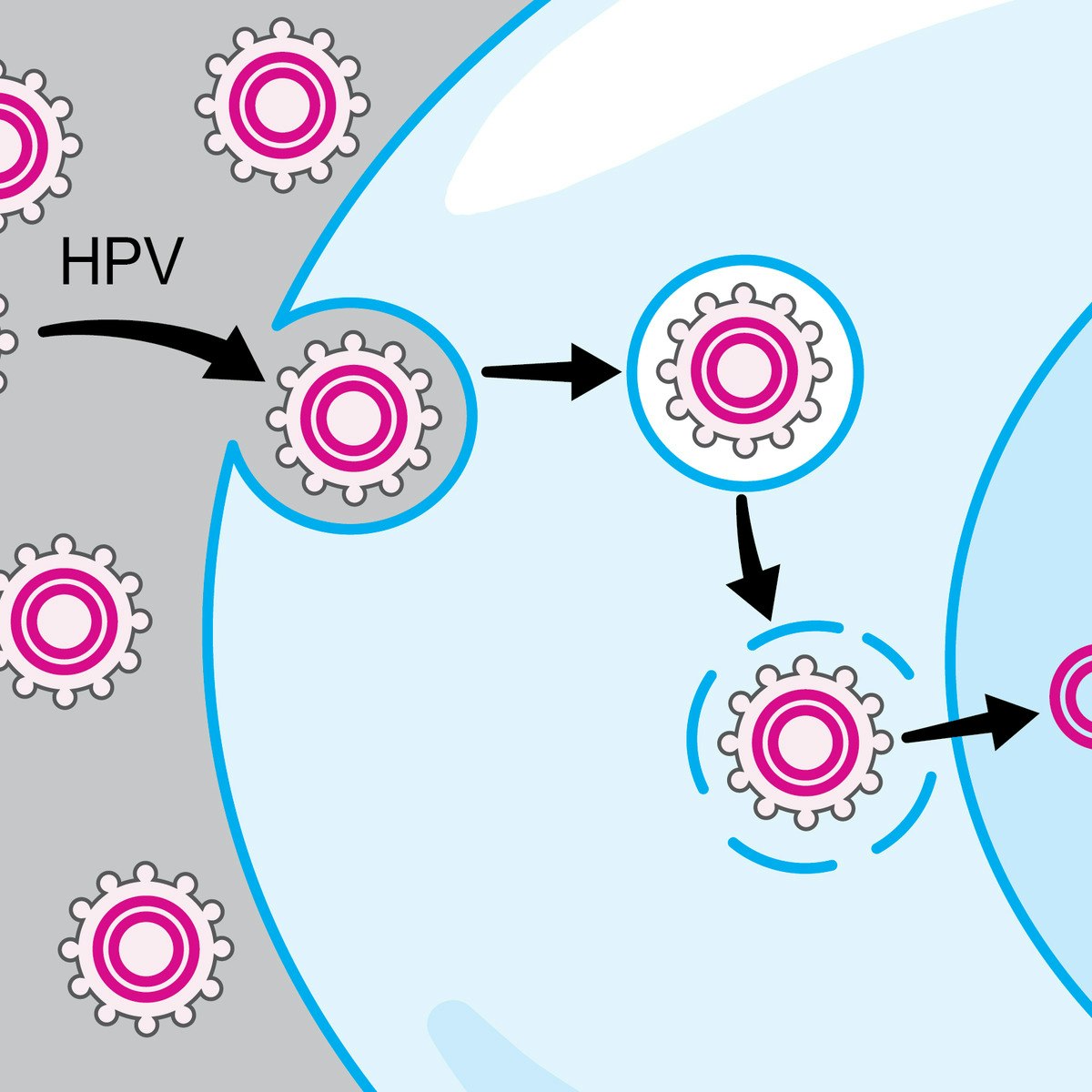
Welcome to HPV-Associated Oral and Throat Cancers: What You Need to Know This course, offered by the Department of Otolaryngology – Head and Neck Surgery at the Icahn School of Medicine at Mount Sinai, is designed to inform primary care physicians and otolaryngologists (general and head and neck surgeons), as well as medical students, residents, nurses, physician assistants, medical assistants, about HPV-associated oral and throat cancers. It is also applicable to individuals who wish to broaden their knowledge and vernacular about this disease process, especially those who may have been diagnosed with HPV and/or HPV-associated oropharyngeal cancers. The course has been divided into four modules, each of which is followed by multiple choice questions to help attendees further understand this condition: Week 1 - CME Information, Accreditation and Introduction (2 min) Week 2 - Module 1: HPV-associated Throat Cancer: An Epidemic (11 min. + quiz) Week 3 - Module 2: HPV Risk Factors and Clinical Presentation (10 min. + quiz) Week 4 - Module 3: Management of HPV-associated Oropharyngeal Cancer (13 min. + quiz) Week 5 - Module 4: Prevention, Vaccination, and the Horizon (10 min. + quiz) The primary objective of this course is to provide physicians with a thorough understanding of how to better diagnose and treat patients who have HPV-related oral and throat cancers. Note: This course is no longer available for CME Credit. Please review the CME Information and Accreditation prior to proceeding with the course modules. Release Date: February 4, 2019 Expiration Date: February 4, 2021 Estimated Time to Complete: 1 hour CME Fee: $30 CME Credits Offered: 1.0 CME Reviewer: Marita S. Teng, MD How to Receive CME Credit: For physicians who are interested in earning CME credits and other allied health professions who wish to receive a Verification of Attendance certificate, you must: a. Complete Signature Track (details to follow after enrolling in this course) b. Complete registration process through the Icahn School of Medicine at Mount Sinai, CME Office using the following link: https://mssm.cloud-cme.com/default.aspx?EID=4177&P=3000&CaseID=78 (WARNING: This course is no longer available for CME Credit.) (You will be required to pay an additional non-refundable fee of $30.00 in addition to the $49.00 fee for signature track.) c. Email an attached copy of your Verified Certificate from Coursera to the CME office at the Icahn School of Medicine at cme@mssm.edu and request your CME certificate. d. You will be provided with the instructions for downloading your CME/CE certificate. Course Planners Lynette Bobbitt Lisa Chase Eric M. Genden, MD Jill Gregory Gale Justin Paul Lawrence Carter Lim Erik Popil