

The Global Scholarly Directory.
Discover world-class academic programs curated for the modern intellectual. Search through 19877+ degrees and professional certificates.
 Packt
Packt
Mastering Microservices Design with CQRS, DDD, and Marten
This course features Coursera Coach! A smarter way to learn with interactive, real-time conversations that help you test your knowledge, challenge assumptions, and deepen your understanding as you progress through the course. In this course, you'll master the design and implementation of microservices using CQRS, DDD, and Marten as a document database. You'll build scalable APIs, handle CRUD operations, and integrate microservices with PostgreSQL and Redis. Learn how to optimize performance using Docker, implement cross-cutting concerns like logging and exception handling, and utilize patterns such as Proxy and Decorator. The course also covers high-performance communication using gRPC for seamless interactions between microservices. By working with real-world examples, you'll learn how to structure and deploy microservices efficiently, ensuring they are robust and scalable. Ideal for developers familiar with .NET, this course will guide you through designing and deploying microservices that are efficient, reliable, and scalable. By the end of the course, you will be able to develop and deploy microservices using CQRS, DDD, Marten, gRPC, and Docker.
 Coursera
Create IoT Solutions in Microsoft Azure
In this 1-hour long project-based course, you will learn to create an IoT hub in the Azure cloud, and learn to use the Azure IoT Hub extension for Visual Studio Code to monitor and send device-to-cloud messages and cloud-to-device messages. Then you will learn to create an Azure storage account and create a stream analytics job with an IoT hub as input and a storage account as output so that the messages can be stored on the Azure storage. Finally, you will also configure message routing that enables sending telemetry data from IoT Hub to custom endpoints, and to store the data we will route the messages to the blob storage in Azure. Before beginning this course, you should be familiar with the services of Microsoft Azure such as Azure IoT hub, stream analytics, and Storage account. Also, you should have an Azure account prior.
 University of California San Diego
User Experience: Research & Prototyping
What makes for a great user experience? How can you consistently design experiences that work well, are easy to use and people want to use? This course will teach you the core process of experience design and how to effectively evaluate your work with the people for whom you are designing. You'll learn fundamental methods of design research that will enable you to effectively understand people, the sequences of their actions, and the context in which they work. Through the assignments, you’ll learn practical techniques for making sense of what you see and transform your observations into meaningful actionable insights and unique opportunity areas for design. You’ll also explore how to generate ideas in response to the opportunities identified and learn methods for making your ideas tangible. By answering specific questions and refining your concepts, you’ll move closer to making your ideas real. We’ll use cases from a variety of industries including health, education, transportation, finance, and beyond to illustrate how these methods work across different domains. Good luck and we hope you enjoy the course!
 Packt
Packt
Operating Systems and Networking Fundamentals
In this course, you’ll gain a comprehensive understanding of operating systems and networking essentials that are critical for any IT technician. The course begins by covering installation and upgrades across different operating systems, including Windows 10, Windows 11, macOS, and Linux. You'll learn about boot processes, pre-installation checks, and post-installation configurations, providing you with the practical knowledge to handle real-world scenarios. Next, the course dives into the management of operating systems, exploring vital tools such as Task Manager, Control Panel, and Microsoft Management Console (MMC). You will also understand how to work with users, groups, and permissions across platforms like Windows, Linux, and macOS, ensuring that you can securely and effectively manage system resources. The lessons will prepare you to handle file sharing, security policies, and the nuances of different file systems. Lastly, the course focuses on local area networking (LAN) fundamentals. From understanding IP addressing, DHCP, DNS, and router configurations to managing firewalls and virtual LANs (VLANs), you’ll gain a solid foundation in networking. These skills are essential for troubleshooting both operating systems and network issues, ensuring smooth operation in any IT environment. By the end of the course, you'll be equipped to confidently tackle the CompTIA A+ exams. This course is aimed at aspiring IT professionals, particularly those pursuing the CompTIA A+ certification. It’s ideal for individuals with basic computing knowledge who want to deepen their understanding of operating systems and networking.
 Universidad Austral
Análisis visual con Tableau
En este curso profundizaremos en las herramientas que ofrece Tableau en las áreas de gráficos, fechas, cálculos de tablas y realización de mapas. Exploraremos las mejores opciones para gráficos, según el tipo de datos que esté utilizando. Examinaremos tipos específicos de gráficos, incluidos diagramas de dispersión, diagramas de Gantt, histogramas, diagramas de viñetas, y abordaremos las pautas de creación de gráficos. Definiremos fechas discretas y continuas, y examinaremos cuándo usar cada una para explicar sus datos. Aprenderemos a crear cálculos de tabla personalizados y a crear parámetros. También presentaremos la cartografía y exploraremos cómo Tableau puede usar diferentes tipos de datos geográficos, cómo conectarse a múltiples fuentes de datos y cómo crear mapas personalizados.
 Edureka
Generative AI for Workflow Automation
This course introduces you to the transformative potential of Generative AI (GenAI) in driving business process automation, empowering you to design intelligent workflows that enhance efficiency, productivity, and decision-making across various functions. Through interactive lessons and guided demos, you’ll learn how to deploy GenAI-powered chatbots, leverage advanced features like multimodal interactions and personalization, and measure automation success using industry-standard KPIs. By the end of this course, you will be able to: -Explain the role and capabilities of GenAI in automating business workflows and operations -Identify and assess high-impact use cases for GenAI in enterprise functions like customer service, IT, and HR -Design and implement cross-functional automation solutions using GenAI tools and frameworks -Build, personalize, and deploy conversational AI agents to improve user experience and task automation -Measure, optimize, and scale GenAI-powered automation solutions using relevant KPIs and performance metrics This course is ideal for business automation professionals, IT managers, HR specialists, and technical leaders seeking to leverage GenAI for operational efficiency, cross-departmental workflows, and conversational AI solutions in their organizations. A basic understanding of AI concepts, business workflows, and process automation tools is recommended. Join us to learn next-generation GenAI-driven automation workflows that are transforming business operations.
 Coursera
GPU Clusters & Containers
Ready to unlock the power of distributed AI training and production-scale deployment? Modern machine learning demands infrastructure that can handle massive computational workloads while ensuring reliable, scalable service delivery. This Short Course was created to help ML and AI professionals accomplish seamless scaling from prototype to production using cloud GPU clusters and containerized deployment strategies. By completing this course, you'll be able to provision multi-node GPU environments for parallel model training, dramatically reducing training times while implementing robust containerization workflows that ensure consistent, scalable application deployment across environments. By the end of this course, you will be able to: - Apply configurations to cloud GPU clusters for distributed training - Apply containerization and orchestration to deploy and manage applications This course is unique because it bridges the critical gap between model development and production deployment, combining hands-on GPU cluster configuration with enterprise-grade containerization practices. To be successful in this project, you should have a background in cloud computing fundamentals, basic containerization concepts, and machine learning model training workflows.
 Universidad Austral
Modelización Cuantitativa para Finanzas Corporativas
Este es un curso de modelización cuantitativa pensado para su aplicación en el ámbito de finanzas corporativas. En este curso aprenderás cómo explotar de la mejor forma los datos que alimentan a los modelos financieros. En la "era de los datos", cada vez más las organizaciones cuentan con información que pueden ser explotada para enriquecer la modelización financiera. Apoyándonos en métodos estadísticos y de modelización, en este curso aprenderás a proyectar variables de interés, a realizar predicciones, a medir y a evaluar la implicancia de riesgos. También aprenderás criterios para la toma decisiones, basadas en la evaluación de escenarios con incertidumbre. Aplicaremos herramientas básicas de análisis estadístico, métodos de regresión simple y multivariado, técnicas de series de temporales, y de predicción frente a una gran cantidad de variables explicativas, entre otras herramientas que estudiaremos con el foco en aplicaciones financieras. Implementaremos los modelos más simples en Excel, y ganaremos agilidad en estimaciones más complejas usando R. Este es el segundo curso de la serie de Finanzas Corporativas ofrecido por la Universidad Austral.
 EDUCBA
Hedge Fund Structures & Operations: Analyze & Evaluate
By the end of this course, learners will be able to explain hedge fund structures, analyze fee and remuneration models, apply series accounting and equalization methods, and evaluate capital account mechanisms in real-world contexts. Participants will also develop the ability to interpret hedge fund risks and benefits, while applying advanced operational practices to ensure fairness in profit allocation and investor treatment. This course benefits finance students, professionals, and aspiring fund managers who want to strengthen their expertise in alternative investments. Unlike traditional investment courses, it integrates both conceptual foundations and advanced accounting practices, bridging strategy with operational execution. Learners will engage with practical examples, from equalization adjustments to capital account tracking, to understand how hedge funds balance investor fairness with performance incentives. What makes this course unique is its holistic approach—covering strategy, accounting, and investor management in one structured framework. Learners not only grasp how hedge funds operate but also gain tools to evaluate, manage, and apply these mechanisms in dynamic financial environments.
 EDUCBA
Analyze Advanced Data Projects Using SPSS
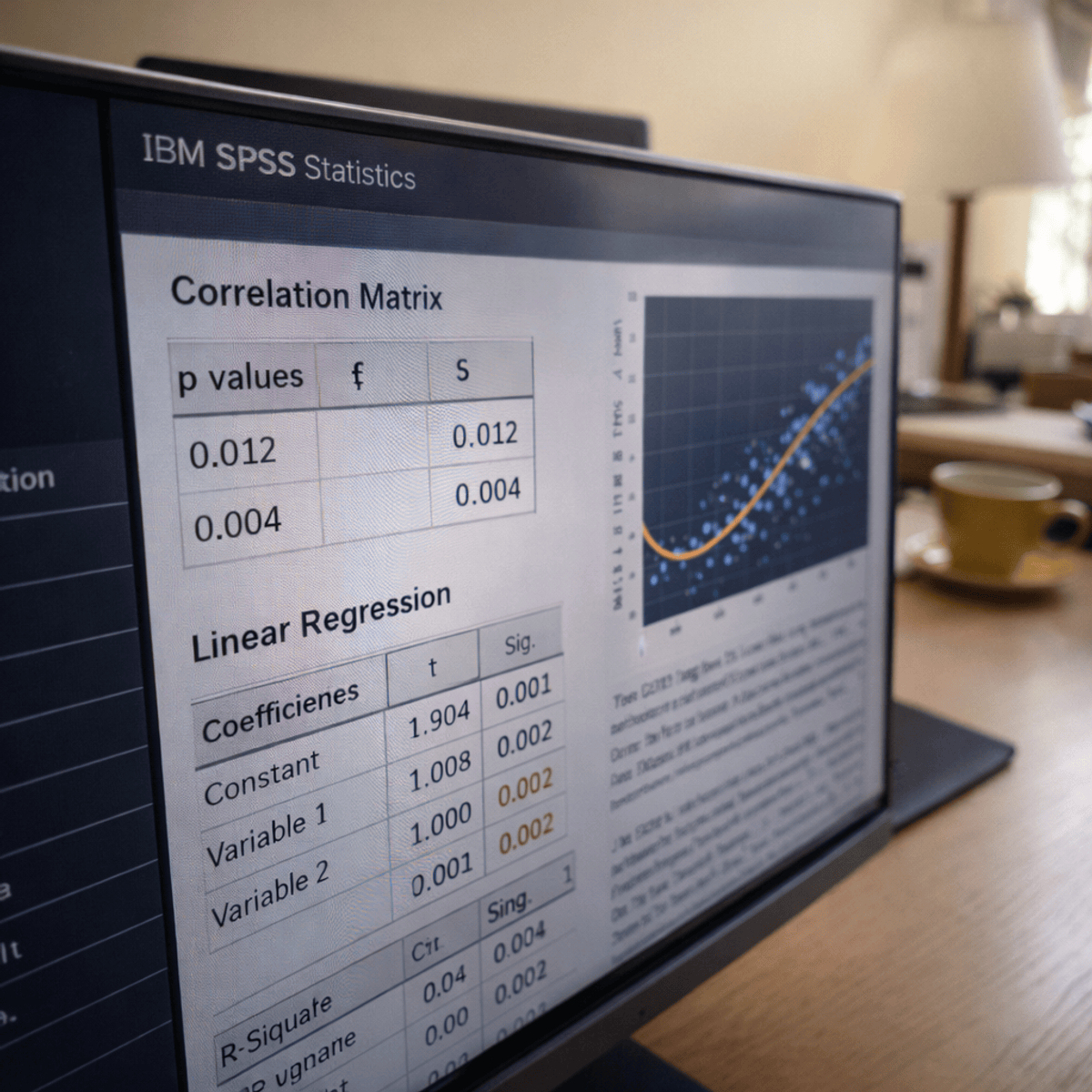
Learners will analyze real-world datasets, interpret statistical outputs, evaluate relationships among variables, and apply advanced SPSS techniques to support data-driven decision-making. By the end of this course, learners will confidently move from raw data to meaningful insights using industry-relevant analytical workflows. This course is designed for learners who already understand SPSS fundamentals and want to advance their applied analytics skills through hands-on projects. You will work with realistic datasets to perform descriptive analysis, create and interpret visualizations, compute and analyze correlation matrices, generate statistical estimates, conduct hypothesis testing, and build and evaluate linear regression models. Each module emphasizes not just how to run analyses, but how to interpret results accurately and responsibly. What makes this course unique is its project-centric and interpretation-first approach. Instead of focusing on isolated commands, the course mirrors real analytical practice by integrating data preparation, statistical reasoning, visualization, and result validation into a cohesive workflow. Learners gain practical experience in reading SPSS outputs, diagnosing analytical issues, and communicating insights clearly. By completing this course, learners strengthen their analytical confidence, improve job-ready SPSS proficiency, and build skills directly applicable to research, business analytics, and data-driven roles.
 Microsoft
Microsoft Azure Machine Learning for Data Scientists
Machine learning is at the core of artificial intelligence, and many modern applications and services depend on predictive machine learning models. Training a machine learning model is an iterative process that requires time and compute resources. Automated machine learning can help make it easier. In this course, you will learn how to use Azure Machine Learning to create and publish models without writing code. This is the second course in a five-course program that prepares you to take the DP-100: Designing and Implementing a Data Science Solution on Azurecertification exam. The certification exam is an opportunity to prove knowledge and expertise operate machine learning solutions at a cloud-scale using Azure Machine Learning. This specialization teaches you to leverage your existing knowledge of Python and machine learning to manage data ingestion and preparation, model training and deployment, and machine learning solution monitoring in Microsoft Azure. Each course teaches you the concepts and skills that are measured by the exam. This Specialization is intended for data scientists with existing knowledge of Python and machine learning frameworks like Scikit-Learn, PyTorch, and Tensorflow, who want to build and operate machine learning solutions in the cloud. It teaches data scientists how to create end-to-end solutions in Microsoft Azure. Students will learn how to manage Azure resources for machine learning; run experiments and train models; deploy and operationalize machine learning solutions, and implement responsible machine learning. They will also learn to use Azure Databricks to explore, prepare, and model data; and integrate Databricks machine learning processes with Azure Machine Learning.
 University of Colorado Boulder
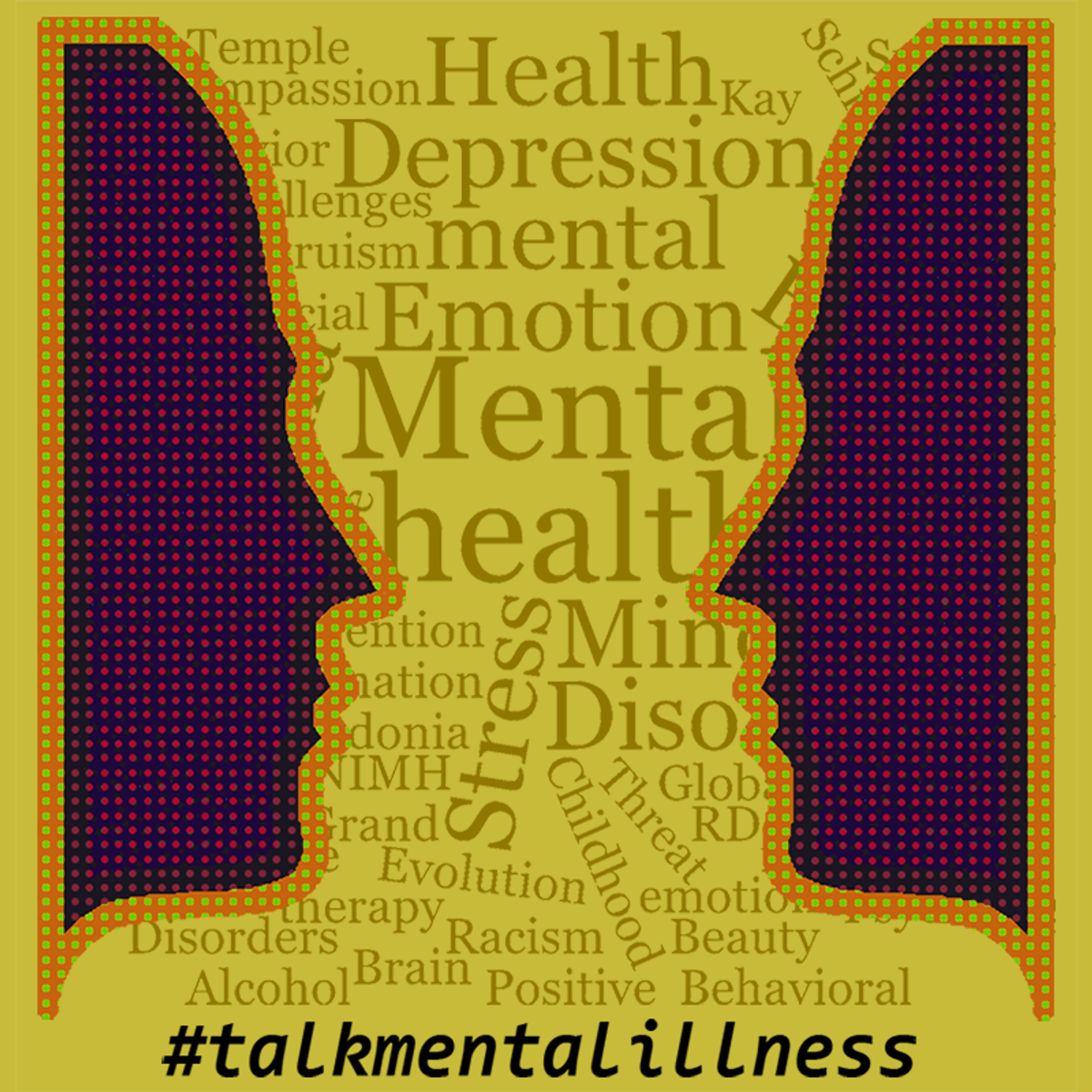
#talkmentalillness
I am a professor and mental health researcher and educator, and I’ve been working in the field for over 15 years. Like so many of my colleagues, however, I was unprepared for the wave of mental health challenges that would face our society in 2020. From COVID-19 and the devastating economic impacts of the pandemic to racial justice protests, widespread natural disasters, our current cultural moment presents unprecedented mental health concerns, and particularly for marginalized communities. For this reason, I led a field-wide call to action for mental health research and treatment that resulted in this #TalkMentalIllness course. I had the opportunity to speak to over 30 experts from different domains in psychology research, practice, and popular public figures and to discuss the causes and cutting-edge treatments for many serious disorders, the stigma surrounding mental illness in our culture, systemic inequality in mental health treatment, and the mental health challenges of today. #talkmentalillness curates the interviews from the Mental Health Experts series into an accessible learning experience that will help you have conversations about mental health. Talking about mental illness is both the content and desired outcome of this course, as you will use what you learn from my interviews with mental health experts to guide your own discussions about mental health challenges and treatments with family members, friends, colleagues, and other people in your life. The course will begin by presenting a core set of definitions for mental illness and analyzing the stigma associated with it. We will then apply these topics to specific psychological disorders, including anxiety and mood disorders, eating disorders, suicide, substance use, and psychosis. We will then consider how these issues disproportionately impact marginalized groups and communities of color. The course will conclude by considering innovative approaches to psychological treatments and how the pursuit and science of happiness inform mental health and wellness. This course is part of a broader educational mission to share the science of mental illness with both students and the public, both locally and globally. I have designed and created it in collaboration with the Office for Academic Innovation and Libraries’ Media Services Team at the University of Colorado Boulder. - June Gruber
 Coursera
Create a Storyboard in Canva
By the end of this project, you will learn how to create a Storyboard from scratch using the free version of Canva. A storyboard is a graphic organizer that consists of illustrations or images displayed in sequence for the purpose of pre-visualising a motion picture, animation, motion graphic or interactive media sequence. You will be able to incorporate a color scheme, images, and other design elements for aesthetically pleasing and value added business marketing collateral. We can use Canva to complete this project because it provides all the tools you need to create an organized and visually appealing product while offering a variety of options for sharing and collaboration. You will learn how to plan and organize your ideas and utilize graphic design tools as you create a Storyboard template for your next visual experience. Note: This course works best for learners who are based in the North America region. We’re currently working on providing the same experience in other regions.
 Coursera
How to Create Realistic Reflections with Adobe Photoshop
**Enroll in this Guided Project before April 2026, for a free 1-month trial to the Creative Cloud Pro Plan!** After we finish this project, you will be able to create a reflection of any landscape you like whether it’s in the morning or evening, and add different effects to it using Photoshop. Throughout the project, you will be able to use basic tools like the transform tool and you will identify layers on Photoshop. This is for anyone who is a beginner level designer that is interested in adding some life to a boring picture they want to use. It can also be for photographers who want to add a little bit of spark and brighten up photos they took on a trip. This project will be fun and super simple, it helps turn a picture in your imagination into reality. It will also help anyone who wants to launch a new product in their collection, but didn’t have the right setting during a photoshoot. The tools we will learn together will help us create a reflection to amplify the photo. It will turn from a normal image to an artwork with a few small edits. Adobe Photoshop is used to bring your imagination to life. It’s where you can unlock your creativity and use innovative features to create avant-garde graphics for your projects.
 Coursera
How to setup a followers campaign on Twitter
In this guided tutorial, you will learn how to setup a followers campaign on Twitter. Note: This tutorial works best for learners who are based in the North America region. We're currently working on providing the same experience in other regions.
 Coursera
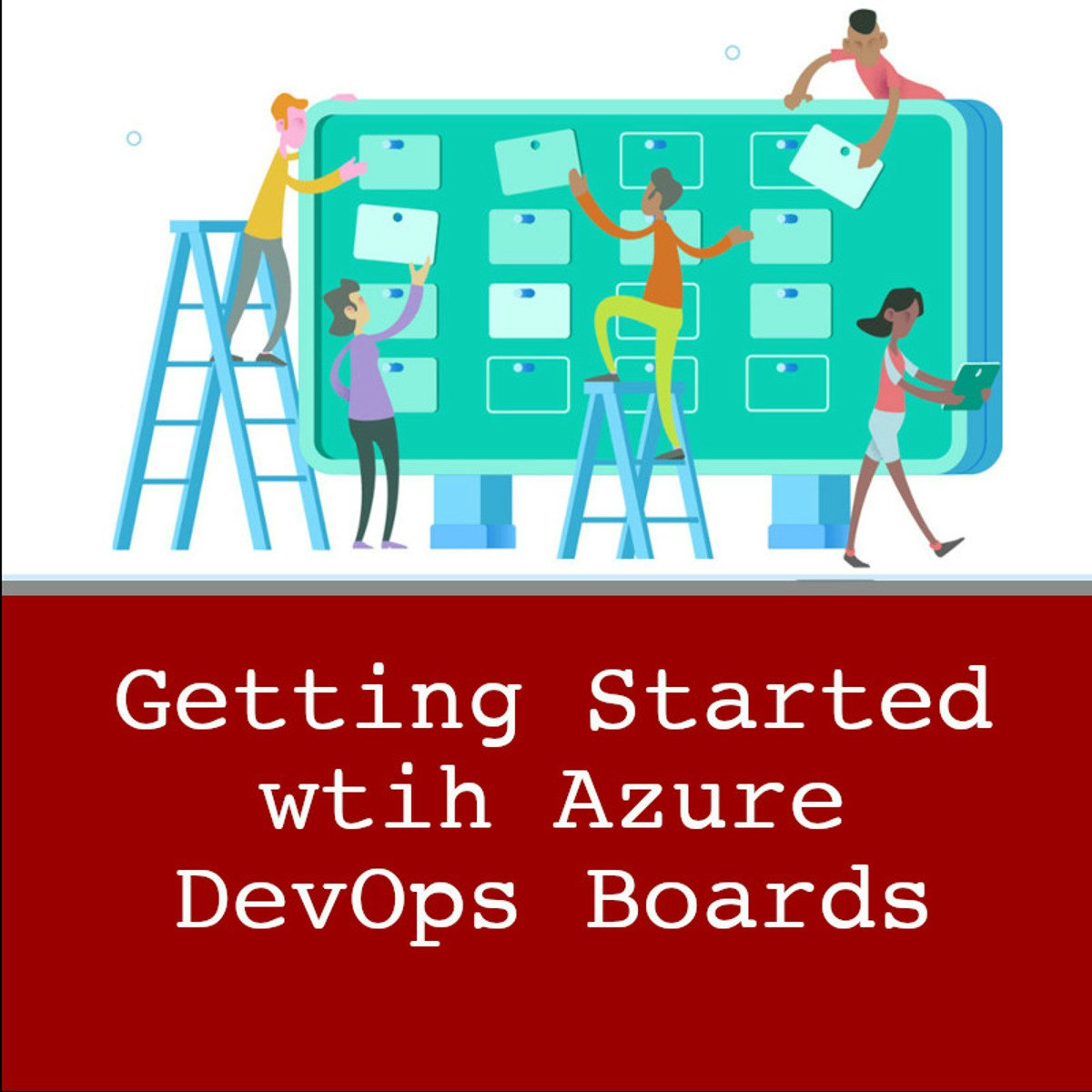
Getting Started with Azure DevOps Boards
In this guided project, you will create and setup an Azure DevOps project; add teams to your project; create, import, and manage work items; customize the project’s boards; and explore different views of your work items, and organize them into sprints. Note: This course works best for learners who are based in the North America region. We’re currently working on providing the same experience in other regions.