

The Global Scholarly Directory.
Discover world-class academic programs curated for the modern intellectual. Search through 19877+ degrees and professional certificates.
 University of Manchester
Introduction to Physical Chemistry
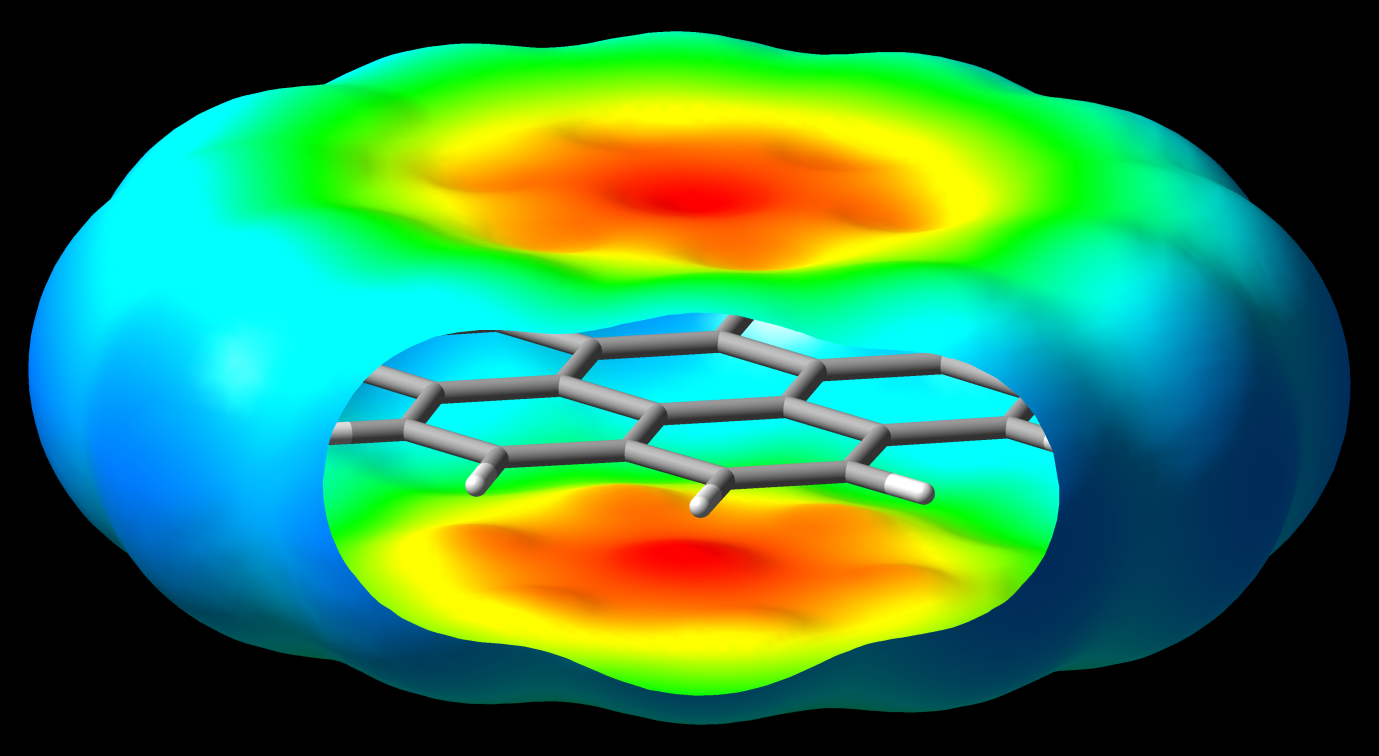
Chemical reactions underpin the production of pretty much everything in our modern world. But, what is the driving force behind reactions? Why do some reactions occur over geological time scales whilst others are so fast that we need femtosecond-pulsed lasers to study them? Ultimately, what is going on at the atomic level? Discover the answers to such fundamental questions and more on this course in introductory physical chemistry. The course covers the key concepts of three of the principal topics in first-year undergraduate physical chemistry: thermodynamics, kinetics and quantum mechanics. These three topics cover whether or not reactions occur, how fast they go and what is actually going on at the sub-atomic scale.
 Pearson
Learning Deep Learning: Unit 2
This course covers advanced deep learning topics, including Convolutional Neural Networks (CNNs), Recurrent Neural Networks (RNNs), and modern language models. You will learn techniques for image classification, time series prediction, and natural language processing. The course includes building and optimizing CNNs for image recognition, using architectures such as AlexNet, VGGNet, GoogLeNet, and ResNet, and working with pre-trained models. You will also work with RNNs and LSTMs for tasks like forecasting and text autocompletion. The curriculum covers neural language models, word embeddings (such as Word2vec and wordpieces), encoder-decoder architectures, attention mechanisms, and Transformers for machine translation. Hands-on projects using TensorFlow and PyTorch will help you develop practical skills for solving real-world problems in computer vision and language processing.
 Google Cloud
Selecciona una base de datos de GC para tus aplicaciones
En este curso, aprenderás a analizar y elegir la base de datos adecuada a tus necesidades para desarrollar eficazmente aplicaciones en Google Cloud. Explorarás bases de datos relacionales y NoSQL, te sumergirás en Cloud SQL, AlloyDB y Spanner, y aprenderás a alinear las fortalezas de la base de datos con los requisitos de tu aplicación, incluidos los de la IA generativa. Obtén experiencia práctica para configurar la búsqueda de vectores y migrar aplicaciones a la nube.
 The University of Edinburgh
The Discovery of the Higgs Boson
The discovery of a new fundamental particle at the Large Hadron Collider (LHC), CERN is the latest step in a long quest seeking to answer one of physics’ most enduring questions: why do particles have mass? The experiments’ much anticipated success confirms predictions made decades earlier by Peter Higgs and others, and offers a glimpse into a universe of physics beyond the Standard Model. As Professor Peter Higgs continues his inspiring role at Edinburgh University’s School of Physics & Astronomy, the experiments at the LHC continue. This online course introduces the theoretical tools needed to appreciate the discovery and presents the elementary particles that have been discovered at the tiniest scales ever explored. Beginning with basic concepts in classical mechanics, the story unfolds through relativity and quantum mechanics, describing forces, matter, and the unification of theories with an understanding driven by the tools of mathematics. Narrating the journey through experimental results which led to the discovery in 2012, the course invites you to learn from a team of world-class physicists at Edinburgh University. Learners participate in discussion of the consequences of the Higgs boson, to physics and cosmology, and towards a stronger understanding and new description of the universe. Photo of Professor Higgs © Peter Tuffy, The University of Edinburgh. Learners can apply for Financial Aid directly with Coursera to assist with the cost of accessing the full course and gaining a certificate for successfully completing the course.
 Rice University
Einführung in die Datenanalyse mit Excel
Die Verwendung von Excel ist in der Branche weit verbreitet. Es ist ein sehr leistungsfähiges Datenanalysetool und fast alle großen und kleinen Unternehmen verwenden Excel für ihre tägliche Arbeit. Dies ist ein Einführungskurs in die Verwendung von Excel, der Ihnen Kenntnisse in Excel vermitteln soll, um es später für weiterführende Themen in der Unternehmensstatistik verwenden zu können. Der Kurs ist so konzipiert, dass zwei Arten von Teilnehmern berücksichtigt werden – diejenigen, die nur sehr geringe funktionale Kenntnisse in Excel haben und diejenigen, die Excel regelmäßig, aber auf peripherer Ebene verwenden und ihre Fähigkeiten verbessern möchten. Der Kurs führt Sie von grundlegenden Vorgängen wie dem Einlesen von Daten in Excel mithilfe verschiedener Datenformate und dem Organisieren und Bearbeiten von Daten bis hin zu einigen der erweiterten Funktionen von Excel. Während der gesamten Zeit wird die Excel-Funktionalität anhand leicht verständlicher Beispiele vorgestellt, die so demonstriert werden, dass die Teilnehmer sie besser verstehen und anwenden können. Um Kursaufgaben erfolgreich abzuschließen, müssen die Teilnehmer Zugriff auf eine Windows-Version von Microsoft Excel 2010 oder höher haben. ________________________________________ WOCHE 1 Modul 1: Einführung in die Tabellenkalkulation Dieses Modul bietet eine Einführung in die Excel-Tabellenkalkulation und die verschiedenen grundlegenden Datenfunktionen von Excel. Zu den behandelten Themen gehören: • Einlesen von Daten in Excel in verschiedenen Formaten • Grundfunktionen in Excel, Arithmetik sowie verschiedene logische Funktionen • Formatieren von Zeilen und Spalten • Verwenden von Formeln in Excel und diese unter Verwendung absoluter und relativer Referenzierung kopieren und einfügen ________________________________________ WOCHE 2 Modul 2: Tabellenkalkulationsfunktionen zum Organisieren von Daten Dieses Modul führt verschiedene Excel-Funktionen zum Organisieren und Abfragen von Daten ein. Die Teilnehmer werden in die Funktionen WENN, Verschachteltes WENN, SVERWEIS und WVERWEIS von Excel eingeführt. Zu den behandelten Themen gehören: • WENN und geschachtelte WENN-Funktionen • SVERWEIS und WVERWEIS • Die ZUFALLSBEREICH-Funktion ________________________________________ Woche 3 Modul 3: Einführung in Filterung, Pivottabellen und Diagramme Dieses Modul führt verschiedene Datenfilterfunktionen von Excel ein. Sie lernen, wie Sie Filter in Daten festlegen, um selektiv auf Daten zuzugreifen. Ein sehr leistungsfähiges Tool zum Zusammenfassen von Daten, die Pivottabelle, wird ebenfalls erläutert, und wir beginnen mit der Einführung der Diagrammfunktion von Excel. Zu den behandelten Themen gehören: • SVERWEIS über Arbeitsblätter hinweg • Datenfilterung in Excel • Verwendung von Pivottabellen mit kategorialen sowie numerischen Daten • Einführung in die Diagrammfunktion von Excel ________________________________________ WOCHE 4 Modul 4: Erweiterte grafische Darstellung und Diagrammerstellung In diesem Modul werden verschiedene erweiterte Grafik- und Diagrammtechniken erläutert, die in Excel verfügbar sind. Ausgehend von verschiedenen Linien-, Balken- und Kreisdiagrammen führen wir Pivotdiagramme, Streudiagramme und Histogramme ein. Sie werden lernen, diese verschiedenen Diagramme zu verstehen und selbst zu erstellen. Zu den behandelten Themen gehören: • Linien-, Balken- und Kreisdiagramme • Pivotdiagramme • Streudiagramme • Histogramme
 Rice University
Defining Diversity, Equity and Inclusion in Organizations
Defining Diversity, Equity, and Inclusion in Organizations is the first course of a four-course series. This course introduces the core definitions of diversity, equity, and inclusion and reasons why these efforts can often fail. We will also explore the elements for making the case for diversity and the concept of DE&I maturation where learners can assess their organization’s activities to determine where it may place on the DE&I continuum. By the end of this course, you will be able to: 1. Provide a common understanding of the terms diversity, equity and inclusion and how can it be effectively implemented into an organization. 2. Understand how our changing demography will impact your organization, discover various arguments used to make the case for diversity and connect them to your organization's success. 3. Recognize the various levels of diversity in the DE&I continuum and where your organization may be. 4. Identify the common struggles with implementing DE&I initiatives and how to avoid the many ways diversity efforts fail.
 Coursera
Plug Into The Future - EV Charging Essentials
In a world transitioning to electric mobility, understanding Electric Vehicle (EV) Charging Infrastructure becomes critical. This course highlights various topics related to electric vehicle charging systems and related concepts related to the critical charging process. This course on Electric Vehicle Charging Infrastructure offers a comprehensive exploration of the key components and considerations in the world of EV charging. Participants will gain insights into the importance of charging infrastructure, the various types of charging, charging technologies, and also about planning and deployment considerations, empowering them to make informed decisions in the EV ecosystem. No prerequisites are required for this beginner-level course. It is accessible to anyone interested in learning about EV charging infrastructure. This course is designed for individuals and professionals interested in electric mobility, including EV enthusiasts, decision-makers in the automotive industry, urban planners, and those involved in the energy sector. By the end of the course, you will be able to identify and evaluate concepts and processes related to electric vehicle charging infrastructure including but not limited to utility planning, installation planning, and operation planning.
 Google Cloud
Scanning User-generated Content Using the Cloud Video Intelligence and Cloud Vision APIs
This is a self-paced lab that takes place in the Google Cloud console. This lab will show you how to deploy a set of Cloud Functions in order to process images and videos with the Cloud Vision API and Cloud Video Intelligence API.
 Packt
Packt
Developing Solutions for Microsoft Azure (AZ-204)
This course features Coursera Coach! A smarter way to learn with interactive, real-time conversations that help you test your knowledge, challenge assumptions, and deepen your understanding as you progress through the course. This course prepares you for the AZ-204 certification exam by providing comprehensive training on developing solutions for Microsoft Azure. You'll gain hands-on experience with essential Azure services such as virtual machines, web apps, container services, and databases. By the end of the course, you will be able to confidently build, deploy, and manage applications on Microsoft Azure. Throughout the course, you'll explore key topics such as provisioning VMs, creating Azure App Service Web Apps, and implementing Azure Functions. Additionally, you'll dive into more advanced features like Azure Cosmos DB, Blob Storage, and managing security with Azure Active Directory. Each section is accompanied by practical exercises designed to help you apply your knowledge in real-world scenarios. The course is structured to provide a step-by-step learning experience, starting from basic environment setups and progressing to the more complex tasks of managing cloud solutions and troubleshooting using metrics and log data. Each module builds on the previous one, ensuring a smooth learning curve as you gain expertise in developing solutions on Microsoft Azure. This course is ideal for developers looking to enhance their skills in cloud computing with Microsoft Azure. While prior experience in programming and cloud services is beneficial, the course is designed to be approachable for those with a foundational knowledge of software development and IT.
 Google Cloud
ML Pipelines on Google Cloud - Français
Dans ce cours, vous profiterez de l'expérience d'ingénieurs et de formateurs en ML qui développent des pipelines de ML chez Google Cloud à l'aide de technologies de pointe. Les premiers modules porteront sur TensorFlow Extended (TFX), la plate-forme Google de machine learning de production basée sur TensorFlow et conçue pour gérer des pipelines et des métadonnées de ML. Vous explorerez les composants de pipelines et apprendrez à orchestrer des pipelines avec TFX. Vous verrez également comment automatiser vos pipelines au moyen d'une intégration et d'un déploiement continus, et comment gérer des métadonnées de ML. Ensuite, nous découvrirons comment automatiser et réutiliser des pipelines de ML sur plusieurs frameworks de ML tels que TensorFlow, PyTorch, scikit-learn et XGBoost. Vous apprendrez également à utiliser Cloud Composer, un autre outil Google Cloud, pour orchestrer vos pipelines d'entraînement continu. Enfin, nous verrons comment utiliser MLflow pour gérer l'ensemble du cycle de vie du machine learning.
 Skillshare
Modern Frontend Web Development: Sass, JS & Typescript
Take your frontend skills to the next level with Christopher Dodd by learning how to write maintainable and scalable styles using Sass, and introduce dynamic interactivity through JavaScript and TypeScript. This course dives into modern tools that enhance productivity and code quality: Sass streamlines your CSS workflow, JavaScript brings your web pages to life, and TypeScript adds static typing to improve code reliability. By completing this course, learners will be equipped to write cleaner, more efficient code that’s easier to debug and maintain. Christopher guides you through these essential technologies with clear explanations and practical examples, helping you bridge the gap between static webpages and interactive, professional-grade applications. Instructor bio: Christopher Dodd is a self-taught web developer, YouTuber, and blogger dedicated to helping individuals gain the skills to freelance and build a location-independent career. Since learning web development in 2015, Chris has worked remotely while traveling the world, gaining over nine years of experience in the field. Through his YouTube channel, blog, and Instagram, he shares practical tips, tutorials, and guidance to inspire aspiring digital nomads to pursue their passions and achieve professional independence.
 Shanghai Jiao Tong University
Mandarin Chinese for Intermediate Learners: Capstone Project
"Mandarin Chinese: Capstone Project for Intermediate Learners" is the fourth and final course of the MOOC specialization "Learn Intermediate Mandarin Chinese" created by Shanghai Jiao Tong University.
 Dassault Systèmes
xDesign Advanced Sketching and Reference Geometry
Welcome to xDesign Advanced Sketching and Reference Geometry, the second course in the SOLIDWORKS xDesign for Education Specialization. We recommend completing Course 1(xDeisgn Foundations: Sketching and Extrusion) before starting this course. This course dives deeper into 2D sketching techniques and introduces reference geometry tools to enhance your modeling precision and flexibility. Upon completion of this learning module, you will be able to: - Create linear sketch patterns - Create circular sketch patterns - Create reference planes and axes. - Create slots in the sketch profile. This course is perfect for learners ready to level up from the basics and tackle more advanced modeling techniques. Software Prerequisites: 3D Creator Access powerful capabilities for Engineering with SOLIDWORKS xDesign at a low price, $72 (excluding taxes), follow this link : https://go.3ds.com/CXD1
 University of California, Davis
Identifying Security Vulnerabilities in C/C++Programming
This course builds upon the skills and coding practices learned in both Principles of Secure Coding and Identifying Security Vulnerabilities, courses one and two, in this specialization. This course uses the focusing technique that asks you to think about: “what to watch out for” and “where to look” to evaluate and ultimately remediate fragile C++ library code. The techniques you’ll be examining will make your programs perform accurately and be resistant to attempts to perform inaccurately. This is really what the term secure programming means. You will be shown common errors that people make, and then learn how to program more robustly. You will apply tips and best practices to help you improve your programming style and help you to avoid common problems like buffer overflows, which may or may not cause security problems.
 EDUCBA
Analyze Big Data Analytics for Financial Transformation
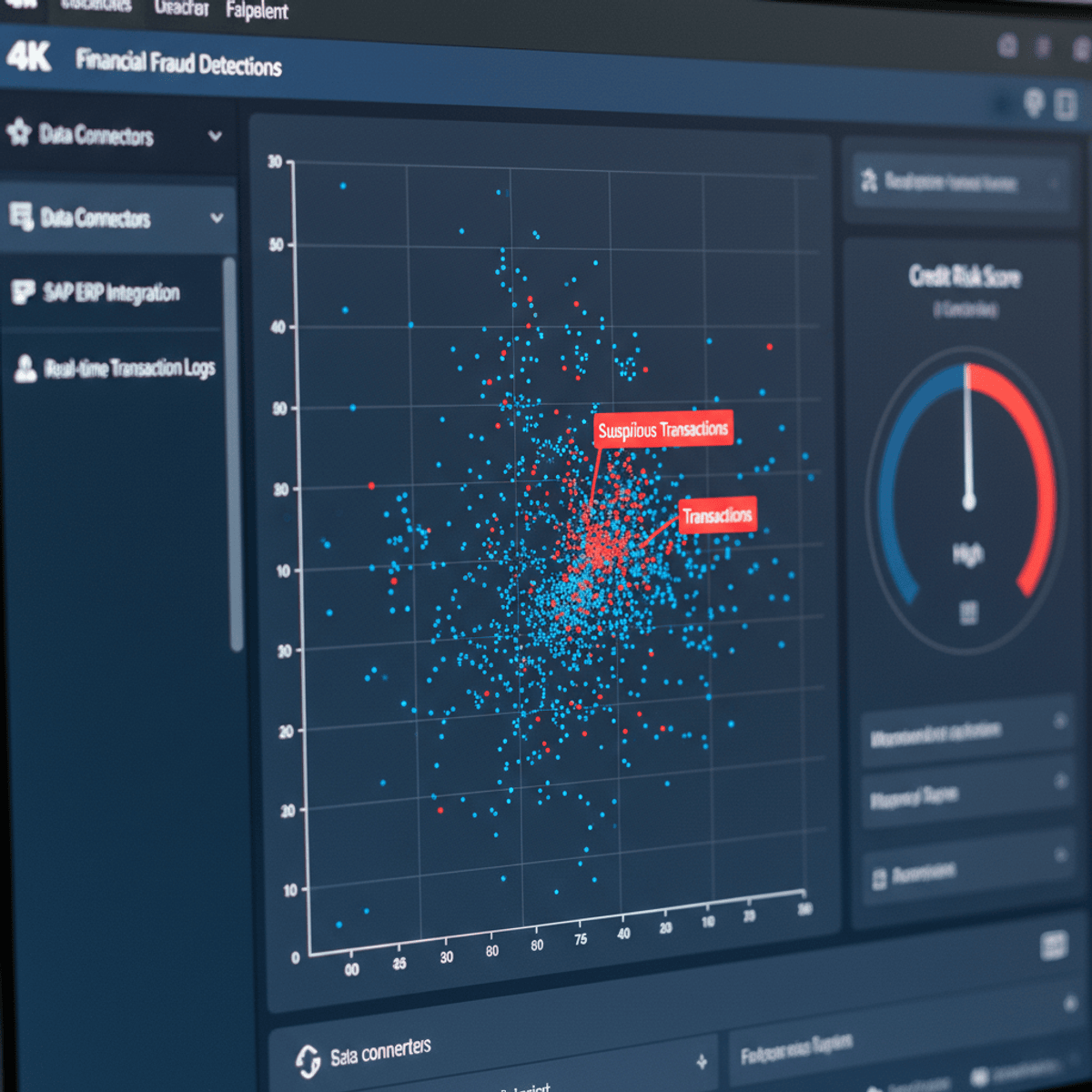
By completing this course, learners will be able to analyze big data concepts, evaluate analytics-driven financial transformations, apply industry tools, and assess ethical and regulatory considerations in modern financial environments. This course provides a comprehensive and practical understanding of how big data analytics is reshaping the financial services industry. Learners explore foundational data concepts, the characteristics and complexity of big data, and the strategic role analytics plays in transforming banking, risk management, fraud detection, and customer-centric financial services. Through real-world case studies, current trends, and future-focused discussions, learners gain insight into how data-driven decision-making delivers competitive advantage. What makes this course unique is its balanced integration of strategy, technology, and responsibility. Learners are introduced to leading analytics tools such as Tableau and SAP while also developing a strong awareness of regulatory and ethical considerations critical to financial analytics. Designed for both aspiring and working professionals, the course bridges theory and practice, enabling learners to confidently interpret analytics outcomes, support informed financial decisions, and contribute to data-driven transformation initiatives across financial organizations.
 Illinois Tech
Data Visualization and the Art of Storytelling - Bachelor's
This course introduces the core principles of data visualization and how to use them to craft compelling narratives. Over eight modules, students will learn how to visualize data effectively, select appropriate charts, and integrate advanced techniques such as interactivity, geospatial mapping, and storytelling. By the end of the course, students will have created a portfolio of visualizations that communicate data-driven stories.