

The Global Scholarly Directory.
Discover world-class academic programs curated for the modern intellectual. Search through 19877+ degrees and professional certificates.
 Council on Foreign Relations
Climate Change: Policy Obstacles and Opportunities
Climate change—or what many refer to as global warming—is one of the most significant threats that humanity faces. "Climate Change and Global Affairs: Policy Obstacles and Opportunities" explores the complex policy landscape shaping global climate action—from local and national strategies to international agreements. After completing this course, learners will be able to evaluate the steps governments can take in combating climate change, identify the costs and benefits of different climate policy options, identify and explain the major international agreements that exist to combat climate change, and assess the challenges and ethical complexities of contemporary mitigation efforts. By enrolling in this course, you join a host of policymakers, professionals, and students committed to addressing climate change. By tackling this global challenge, we work to build a more sustainable future.
 Coursera
Jira: Navigate, Track, and Organize
You’ve just joined a new team or started a new project. You’re excited, motivated, and ready to make an impact. You log in for your first day, and you’re immediately directed to the team’s project management system—a tool like Jira, Asana, or Microsoft Planner. And then it hits you: a dense, overwhelming wall of information. You’re looking at a digital landscape filled with columns, cards, mysterious icons, and a vocabulary you’ve never heard before. What’s a "backlog"? What’s the difference between an "epic" and a "story"? Is a "task" the same as a "sub-task"? Your new teammates are flying around the interface, referencing ticket numbers and updating statuses with a fluency that feels like a foreign language. You, meanwhile, are lost in a digital fog. Your primary goal is to figure out what you’re supposed to be working on, but you can't even find the list of tasks assigned to you. You are hesitant to click on anything for fear of accidentally changing a status, reassigning a ticket, or breaking a workflow you don’t understand. This feeling—a mixture of confusion, anxiety, and helplessness—is an incredibly common but unspoken part of joining any modern team. The very tool that is meant to create clarity and alignment has become your first major source of stress. This is the problem that this course was designed to solve. Navigate, Track, and Organize Your Work is a comprehensive beginner's course created to give you the confidence to find, understand, and manage your tasks in any collaborative team environment. We believe that mastering your digital workspace is not a "nice-to-have" technical skill; it is a fundamental pillar of modern professionalism. This course moves beyond tool-specific features to teach you the universal, transferable principles of digital work management that apply to nearly every project tracking system in use today. Through a series of practical, "follow-along" videos and realistic, scenario-based exercises, you will embark on a journey to transform your project tool from a source of confusion into your personal command center. First, you will learn to navigate the landscape. Every project tool has a set of key landmarks. We will demystify them for you. You will explore the central hub of activity—the Project Board—and learn to read it not as a chaotic collection of tickets, but as a visual story of your team's workflow. We will take you into the Backlog, explaining its role as the single source of truth for all upcoming work. You’ll understand how to distinguish it from the active work on the board, giving you a clear picture of both the present and the future. By the end of this section, you will have a mental map of your digital environment, allowing you to move around with purpose and confidence. Next, you will learn to speak the language of modern work. The terms "epic," "story," "task," and "bug" aren't just arbitrary jargon; they represent a powerful system for breaking down massive, complex goals into small, manageable pieces. We will teach you this hierarchy from the top down. You will understand how a large company initiative (the Epic) is broken down into a user-focused feature (the Story), which is then broken down into the concrete steps a team member needs to take (the Tasks and Sub-Tasks). Grasping this structure is a career-changing insight. It allows you to look at any task assigned to you and understand exactly how your individual contribution connects to the team's goals and the company's larger mission. Finally, you will learn how to track and organize your work to provide value to your team. Once you can navigate the landscape and understand the language, your final step is to become an active, reliable participant. You will learn how to interpret the visual workflow represented by the columns on your board—from "To Do," to "In Progress," to "In Review," and finally, to "Done." You will master the single most important action you can take: updating the status of your work. We will show you why moving a ticket from one column to the next is not just a personal checklist item; it is a critical act of communication that provides clear, real-time visibility to your entire team. It’s how your manager knows what you’re doing, how your teammates know they can start their dependent tasks, and how stakeholders get an accurate picture of the project's progress. By the end of this course, you will possess the foundational knowledge and practical skills to navigate any project tracking tool effectively and with confidence. The principles you learn here are tool-agnostic, meaning the ability to understand backlogs, interpret Kanban workflows, and manage hierarchical work items will serve you whether your next team uses Jira, Trello, Asana, or any other system. You will be able to start any new project and, from day one, find your assignments, understand your priorities, and communicate your progress clearly. You will no longer be a passive, anxious observer; you will be an organized, collaborative, and indispensable member of the team.
 Rice University
Algorithmic Thinking (Part 1)
Experienced Computer Scientists analyze and solve computational problems at a level of abstraction that is beyond that of any particular programming language. This two-part course builds on the principles that you learned in our Principles of Computing course and is designed to train students in the mathematical concepts and process of "Algorithmic Thinking", allowing them to build simpler, more efficient solutions to real-world computational problems. In part 1 of this course, we will study the notion of algorithmic efficiency and consider its application to several problems from graph theory. As the central part of the course, students will implement several important graph algorithms in Python and then use these algorithms to analyze two large real-world data sets. The main focus of these tasks is to understand interaction between the algorithms and the structure of the data sets being analyzed by these algorithms. Recommended Background - Students should be comfortable writing intermediate size (300+ line) programs in Python and have a basic understanding of searching, sorting, and recursion. Students should also have a solid math background that includes algebra, pre-calculus and a familiarity with the math concepts covered in "Principles of Computing".
 Dartmouth College
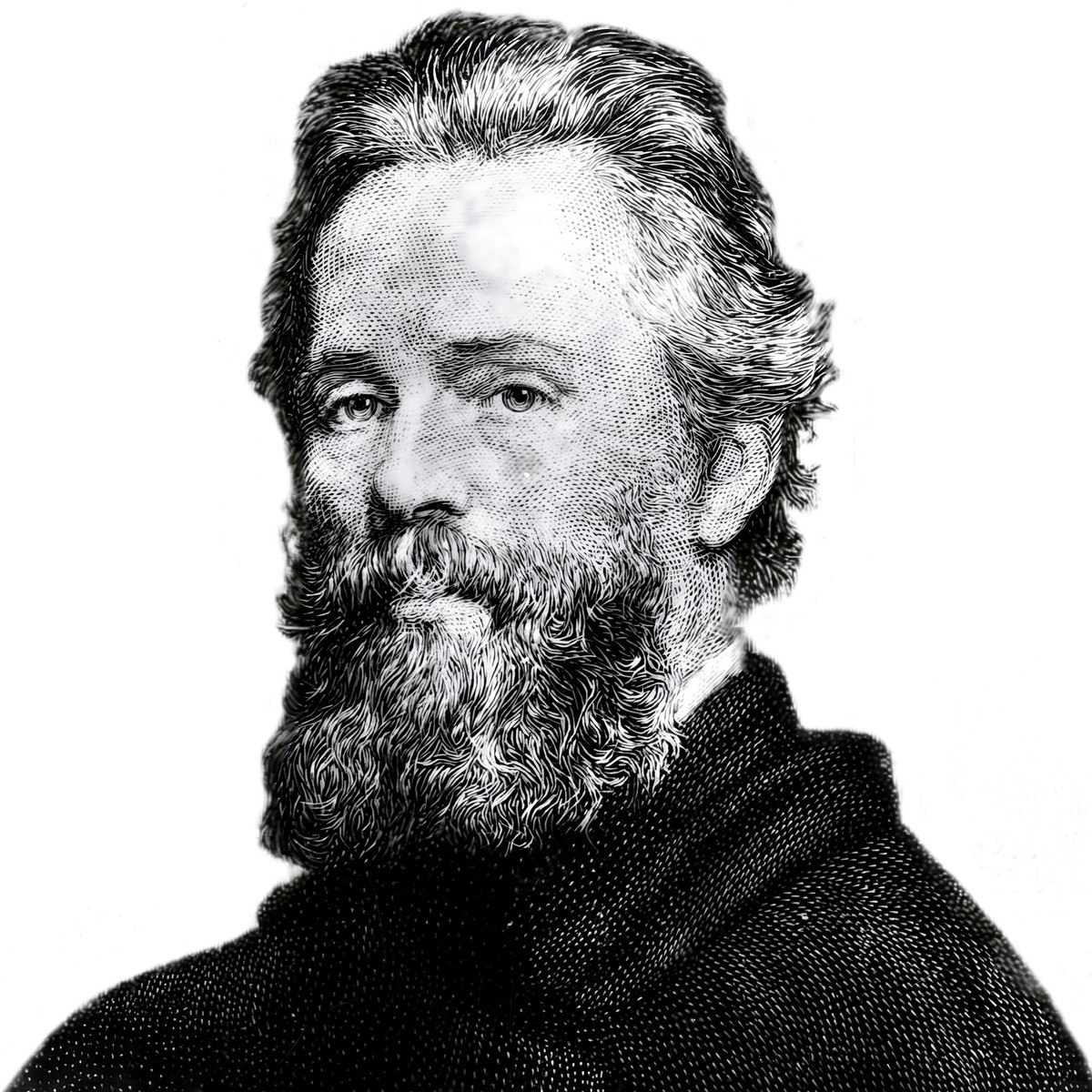
The American Renaissance and Herman Melville
This course explores Moby-Dick, Melville's great American novel. You will listen to a series of short lectures on the historical and cultural context that informed the writing of Moby-Dick. You will examine Starbuck’s argument with Ahab to explain why the crew does not mutiny in Moby-Dick, how the drowning of Pip qualifies as an example of the narrative performing the work of testimony, and the differences between Ishmael’s speculative and testamentary narratives. You will also explore different ideological appropriations of Moby-Dick.
 Coursera
Nursing Leadership: Ethics & Legal Considerations
This course, Nursing Leadership: Ethics & Legal Considerations,equips nurse leaders with the knowledge and practical tools to navigate the complex ethical and legal challenges they face in healthcare settings. Throughout this course, you will explore core ethical principles, legal responsibilities, and decision-making frameworks that directly impact patient care, staff management, and organizational compliance. By applying these concepts, you’ll be better prepared to lead with integrity, mitigate legal risks, and foster a culture of accountability and ethical practice within your team. This course uses real-world case studies, hands-on exercises, and reflective learning to help you strengthen your leadership capabilities and ensure your team operates within legal and ethical boundaries, ultimately improving patient care outcomes and organizational success.
 AI Business School
Introduction to AI for sales professionals
Welcome to the “Introduction to AI for sales professionals” — a unique, hands-on course designed to help you build foundational AI and Generative AI literacy. In this course, you’ll discover how Generative AI is transforming the sales profession, explore key risks and best practices, while experimenting with powerful AI tools in interactive, sales-focused applications. By the end of this course, you will be able to: - Understand the fundamentals of AI and its potential opportunities in Sales - Explore and recognize risks and limitations associated with AI and how to address them - Practice with different AI tools to get hands-on experience - Get started with essential prompting techniques for using different Generative AI models - Discover and try out various sales-specific use cases and AI technologies, explore the ways to integrate them into daily job routines - Participate in a project to generate a sales-specific AI use case idea with an interest in programming. - Prepare for the next phase of your AI journey, progressing from foundational to advanced applications Welcome to the unique “Introduction to AI for sales professionals” course. Just start your AI journey and discover all the fascinating opportunities opened up for you by Artificial Intelligence.
 Coursera
Design and Optimize User Funnels
Course Description: Design and Optimize User Funnels Did you know that even small improvements in funnel efficiency can increase conversion rates by up to 30%? Understanding where users drop off—and why—is the secret to turning engagement into measurable growth. This Short Course was created to help professionals in this field leverage interactive dashboard and funnel analytics to optimize conversion rates and eliminate friction points in digital customer journeys. By completing this course, you will be able to design and refine user funnels that highlight critical activation events, uncover process inefficiencies, and streamline customer paths for higher engagement and conversion—skills you can apply immediately to enhance digital performance. By the end of this 3-hour long course, you will be able to: Apply criteria to select critical activation events for a user funnel. Evaluate process funnels to identify redundancies and recommend consolidation. This course is unique because it combines data analytics with behavioral insight, teaching you how to translate complex funnel data into clear strategies that boost conversion and improve the overall user experience. To be successful in this project, you should have: - Data analytics experience - User journey mapping basics - Analytics platform familiarity - Understanding of conversion metrics
 Google Cloud
Configuring Private Google Access and Cloud NAT
This is a self-paced lab that takes place in the Google Cloud console. In this lab, you configure Private Google Access and Cloud NAT for a VM instance that doesn't have an external IP address. Then, you verify access to public IP addresses of Google APIs and services and other connections to the internet.
 Coursera
Optimize & Interface LLM Apps Effectively
Ever wondered why your AI app sometimes “sounds smart” but fails when it matters? This course teaches you how to turn unpredictable Large Language Model (LLM) behavior into reliable, production-ready performance.This course is a fast, hands-on journey from prompt to production. You’ll learn to transform vague model outputs into precise, structured responses using advanced prompt engineering including role prompting, JSON-formatted replies, and self-critique loops. Then, you’ll build a robust API layer with caching, rate-limit handling, retries, and token budgeting for stability and cost efficiency. Finally, you’ll design an interface that gathers real user feedback ratings, flags, and clarifications turning every interaction into a learning loop. You’ll work with real tools like OpenAI API, FastAPI, React, Vercel AI SDK, and Postman, completing guided labs and an end-to-end project. This course is for Developers, AI engineers, and UX designers seeking to optimize and integrate Large Language Model (LLM) applications for scalable, reliable, and user-centered solutions. Basic Python or JavaScript skills, familiarity with APIs, and a general understanding of Large Language Model (LLM) concepts and their practical applications. By the end, you’ll have built and optimized your own mini LLM app structured, reliable, and user-centered ready for real-world deployment.
 Coursera
Create a Project Charter with Google Docs
Have you been assigned to manage a project and don’t know how to start capturing all the pertinent information into a succinct and crisp format? By the end of this project, you will create a master and living document, containing important information that you and stakeholders can refer back to as your project develops. A Project Charter is a living document that displays core information of a project, such as the project's name, sponsors, problem and goal statements, scope, benefits, and timeline. It is used typically in Lean Six Sigma DMAIC (Define, Measure, Analyze, Improve, Control) methodology at the inception of the project, and is consistently referred back to throughout the project’s life, and thereafter. With minimal software skills, you will be able to categorize this information into a document using a simple table structure. This course will include beginner level skills using Google Docs. Creating a logically organized Project Charter is a great way to not only summarize all the moving parts of your project into one handy document but also to measure your project's success.
 Packt
Packt
Intermediate 3D Modelling and Game Asset Creation
This course is designed to help you take your 3D modelling skills to the next level, focusing on the creation of game assets using Blender’s powerful toolset. Beginning with time-saving techniques, such as rapid geometry selection and modifier stacking, you’ll refine your workflow to build more intricate models. You’ll create essential game assets like furniture, stocks, banners, and torture devices while learning how to bring these props to life with realistic textures, including blood decals and emission materials for torches. As you progress, the course dives into advanced topics such as Blender’s sculpting tools, cloth creation, and using the geometry node system to automate complex tasks. You’ll also explore how to use topology creatively to optimize props like weapons and shields while keeping polygon counts low. This practical knowledge is further enhanced with detailed lessons on working with Blender’s Cycles X and Eevee render engines, helping you render your game assets with professional-level quality. The final part of the course focuses on real-time rendering techniques and game engine integration, specifically preparing your assets for Unreal Engine 5. By the end of this course, you'll have a comprehensive portfolio of game-ready props and a solid understanding of intermediate 3D modelling techniques, ready for use in any game environment. This course is perfect for intermediate 3D artists, game developers, and hobbyists looking to improve their skills in Blender. A basic understanding of 3D modelling and Blender tools is recommended.
 Alfaisal University | KLD
مكافحة غسل الأموال | Anti Money Laundering
يُعدّ غسل الأموال (Money Laundering) جريمة من الجرائم الاقتصادية التي تهدف إلى إضفاء شرعية قانونية على أموال محرمة أو قذرة (Dirty Money) اكتُسبت من مصادر غير مشروعة مثل تجارة المخدرات والإرهاب والرشاوى والدعارة وتهريب الآثار. وتُضفى هذه الشرعية القانونية عن طريق محاولة إعادة تدوير هذه الأموال الناتجة عن الأعمال غير المشروعة في مجالات وقنوات استثمار شرعية لإخفاء المصدر الحقيقي لهذه الأموال ولتبدو كما لو أنها جاءت من مصدر مشروع. لكن ما هي المشكلة؟ طالما أن الأموال يعاد تدويرها في الاقتصاد فمن المفترض أن يزدهر الاقتصاد نتيجة الاستثمار، لكن الواقع غير ذلك، حيث أن عملية (Money Laundering) من أخطر الظواهر على الاقتصاد لأنها أموال ناتجة من اقتصاد خفي له آثار سلبية على الأسواق، بالإضافة إلى أن السماح بمثل هذه العمليات يُشجع الممارسات الإجرامية مثل تجارة المخدرات والإرهاب والإتجار بالبشر بالإضافة إلى انتشار الفساد الإداري والحكومي المتمثل في الرشاوى لكبار المسؤولين وبالتالي تغرق الدولة بأكملها في فساد وجريمة تُضعف الاقتصاد وتؤدي في النهاية إلى انتشار الفقر. هذه الدورة هي دورة تمهيدية؛ فهي تلقي الضوء على أساسيات الموضوع بشكل عام بهدف التعريف به وبمحاوره الأساسية التي يجب الإلمام بها. إذا كنت من المهتمين بالتعرف على مكافحة غسل الأموال أو كان مجال عملك يتطلب إتقان ذلك وتوظيفه في سياق عملك، فهذه الدورة ستكون مثالية لإغناء خبرتك وتطوير مهاراتك بشكل فعال ومؤثر. حيث ستزودك هذه الدورة باطلاع واسع ودقيق على مجموعة من المحاور المتعلقة بهذا الموضوع، مثل: التعرف على الاتفاقيات الدولية لمكافحة غسل الأموال، الاطلاع على القواعد العامة لمكافحة غسل الأموال، توصيف الحسابات المصرفية للأشخاص الطبيعيين والاعتباريين في المملكة العربية السعودية، استعراض جهود بعض الدول في مكافحة غسل الأموال، تعريف مفهوم غسل الأموال، التعرف على أساليب عملية غسل الأموال، استعراض مراحل عملية غسل الأموال، توضيح وسائل ومعوقات كشف غسل الأموال، شرح القواعد العامة والاتفاقيات الدولية لمكافحة غسل الأموال.
 Università di Napoli Federico II
English Advanced C1
The course is designed to enable learners at a pre-advanced level of English to take their language to the next level. The course helps learners adapt their language to a variety of contexts and includes the flexible application of irony, idiomatic language and colloquial language well as the ability to understand, adapt to and participate in a wide range of social contexts.
 University of Michigan
Writing and Editing: Drafting
This third course in the “Good with Words: Writing and Editing” series will give you a number of strategies to help with what is often the most intimidating, even paralyzing part of the writing process: getting started. You’ll learn about the “planning fallacy” and “temptation bundling.” You’ll get a chance to experiment with “freewriting” and “writing before you are ready.” And you’ll continue to benefit, through our ongoing “Good Sentences” and “Takeaways” segments, from the models and advice of a diverse set of writers. As with the other three courses in this series, you will also get access to a wide range of books and other resources you can use even after you finish the course. These include: (1) the readings and exercises provided to the students who have taken the in-person version of this course at the University of Michigan and the University of Chicago; (2) two digital libraries of excellent writing from a diverse collection of journalists, scientists, novelists, poets, historians, and entrepreneurs; and (3) a monthly “Good Sentences” email.
 Interactive Brokers
ESG Data & Accountability
In this course, we’ll introduce students with basic knowledge of traditional financial products to data-driven resources they can use to complement their fundamental analysis. We’ll also highlight certain deceptive marketing practices that can paint a rosier picture of addressing ESG-related concerns than may actually be the case. Moreover, many corporations appear to be growing increasingly aware of the values of the millennial generation, who, according to some industry surveys, appear to account for the vast majority of those who cite ESG as a central goal in their investment plans. We’ll dive more deeply into these topics, and through a series of video, webinar, and reading modules, among other objectives, you’ll learn to explain how Big Data and artificial intelligence may be used for actionable accountability, and describe inherent challenges in data analysis, as well as differentiate between different forms of deceptive business practices, including green washing, social washing, and pink washing, You’ll also be able to provide insights about how millennial, and younger, investors’ interests may be driving increased attention on ESG investing.
 University of Colorado Boulder
Regression and Classification
Introduction to Statistical Learning will explore concepts in statistical modeling, such as when to use certain models, how to tune those models, and if other options will provide certain trade-offs. We will cover Regression, Classification, Trees, Resampling, Unsupervised techniques, and much more! This course can be taken for academic credit as part of CU Boulder’s Master of Science in Data Science (MS-DS) degree offered on the Coursera platform. The MS-DS is an interdisciplinary degree that brings together faculty from CU Boulder’s departments of Applied Mathematics, Computer Science, Information Science, and others. With performance-based admissions and no application process, the MS-DS is ideal for individuals with a broad range of undergraduate education and/or professional experience in computer science, information science, mathematics, and statistics. Learn more about the MS-DS program at https://www.coursera.org/degrees/master-of-science-data-science-boulder.