

The Global Scholarly Directory.
Discover world-class academic programs curated for the modern intellectual. Search through 19877+ degrees and professional certificates.
 L&T EduTech
Industrial Applications of AI
The course Embarks on a transformative learning journey exploring the power of Artificial Intelligence across diverse fields such as electrical, mechanical, civil, and general applications. This course elevates the learner’s insight on AI towards the real-world practices by bridging the gap between theory and practical applications. It also provides hands-on experience of applying AI algorithms into potential applications. The examples of AI in healthcare provided in the course will enlighten the learners with an end-to-end perspective of real-world solutions. This course is crafted to introduce key AI principles required for challenging real-time applications of electrical engineering like load predictions and fault diagnosis in substations. The course also covers the application of AI in mechanical engineering, encompassing seismic data processing, geo-modelling, and reservoir engineering. The civil engineering learners will learn about AI's role in cloud data collection at construction sites and its applications in transport engineering and road traffic prediction. Immerse yourself in the future of AI with a focus on Machine and Deep learning operations, gaining insights that enable you to distinguish and apply AI based solutions to real-world challenges. Explore hands-on exercises with software support, gaining a comprehensive understanding of AI metrics. Enhance your skills and broaden your horizons with the power of AI.
 Packt
Packt
Data Storytelling for Data Professionals
This course features Coursera Coach! A smarter way to learn with interactive, real-time conversations that help you test your knowledge, challenge assumptions, and deepen your understanding as you progress through the course. Data storytelling is a crucial skill for every data professional who wants to communicate insights clearly and persuasively. This course empowers you to transform raw data into compelling narratives that not only inform but also influence and engage your audience. Learn the art of weaving stories with data to drive business decisions, spark change, and leave a lasting impact on your stakeholders. You’ll begin by understanding the history and importance of data storytelling, recognizing how it has evolved into a powerful communication tool in the modern world. The course then takes you through the core components and techniques for crafting meaningful data stories, from visualizations and narrative structure to emotional appeals and actionable insights. As you progress, you will delve into practical methods for creating visually appealing and contextually rich data stories, utilizing frameworks like the 5-Step Data Storytelling Framework and the Storycircle Framework to add structure and clarity to your storytelling approach. You’ll also learn how to engage your audience by incorporating interactivity and analogies to simplify complex concepts. This course is perfect for data analysts, data scientists, and professionals who need to communicate data insights in a way that resonates with non-technical audiences. No prior storytelling experience is necessary, but familiarity with basic data concepts is recommended. By the end of the course, you will be able to craft clear, engaging data stories that convey insights effectively, utilize storytelling techniques to simplify complex data, and drive impactful decisions within your organization.
 University of California, Davis
Materials Science: 10 Things Every Engineer Should Know
We explore “10 things” that range from the menu of materials available to engineers in their profession to the many mechanical and electrical properties of materials important to their use in various engineering fields. We also discuss the principles behind the manufacturing of those materials. By the end of the course, you will be able to: * Recognize the important aspects of the materials used in modern engineering applications, * Explain the underlying principle of materials science: “structure leads to properties,” * Identify the role of thermally activated processes in many of these important “things” – as illustrated by the Arrhenius relationship. * Relate each of these topics to issues that have arisen (or potentially could arise) in your life and work. If you would like to explore the topic in more depth you may purchase Dr. Shackelford's Textbook: J.F. Shackelford, Introduction to Materials Science for Engineers, Eighth Edition, Pearson Prentice-Hall, Upper Saddle River, NJ, 2015
 Amazon Web Services
Amazon Connect Contact Lens Fundamentals
With Amazon Connect Contact Lens, organizations analyze customer conversations, evaluate agent performance, and continuously improve customer experience. In this course, you will recognize the benefits, typical use cases, and core concepts of Contact Lens. You will explore implementation scenarios and identify the key considerations to uncover trends, sentiment, and conversation characteristics from contact interactions. You will learn how post-contact summaries are used to replace manual notetaking so supervisors can review interactions efficiently.
 Coursera
Deep Learning with PyTorch : Siamese Network
In this 2-hour long guided-project course, you will learn how to implement a Siamese Network, you will train the network with the Triplet loss function. You will create Anchor, Positive and Negative image dataset, which will be the inputs of triplet loss function, through which the network will learn feature embeddings. Siamese Network have plethora of applications such as face recognition, signature checking, person re-identification, etc. In this project, you will train a simple Siamese Network for person re-identification.
 University of Illinois Urbana-Champaign
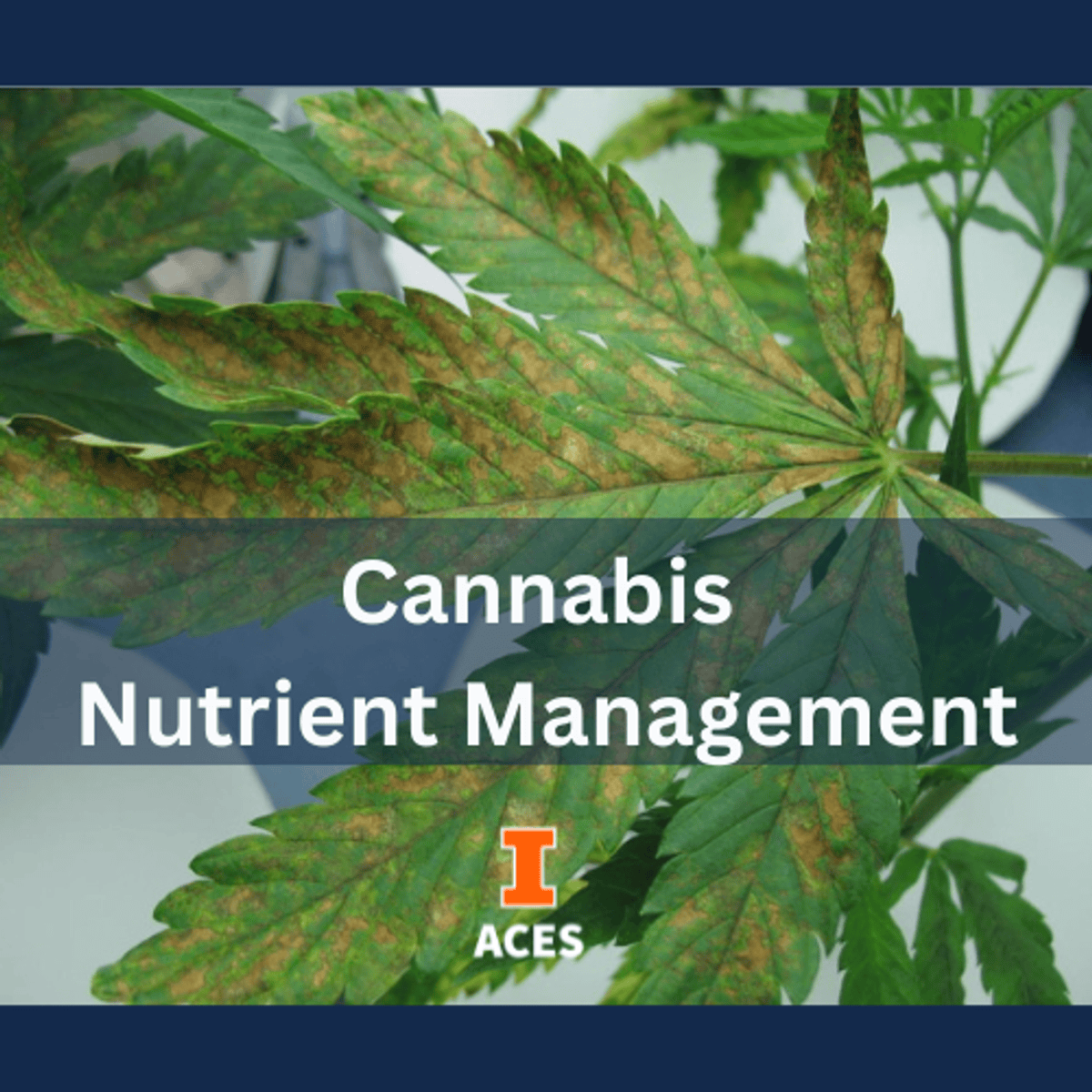
Cannabis Nutrient Management
Cannabis Nutrient Management provides comprehensive insights into the essential nutrients required for healthy cannabis cultivation. Learners will explore nutrient deficiencies, fertility management, and fertilization application techniques to optimize nutrients for improved plant health. Learners will also analyze leaf samples to identify symptoms and calculate nutrient rates to ensure environmentally responsible cultivation. By the end of the course, learners will be equipped with the knowledge of cannabis nutrient and sustainable growth practices.
 EDUCBA
CRM: Analyze, Apply & Optimize Customer Success
By the end of this course, learners will be able to define the foundations of Customer Relationship Management (CRM), analyze customer lifecycle stages, differentiate between acquisition and retention strategies, classify customer portfolios, design value-driven experiences, and implement operational CRM tools to optimize sales, marketing, and service performance. This comprehensive program equips professionals and students with both the strategic insight and practical tools needed to thrive in customer-centric industries. Through engaging modules, learners explore CRM’s evolution, its role in strengthening customer relationships, and the use of automation to streamline processes. Each lesson combines conceptual frameworks with real-world applications, ensuring knowledge can be directly applied in business settings. What makes this course unique is its balanced approach: it connects foundational CRM concepts with advanced strategic frameworks and operational automation. Learners will not only gain theoretical understanding but also develop the ability to apply, evaluate, and optimize CRM strategies for sustainable business growth.
 Packt
Packt
Advanced DevOps Tools and Practices
Streamline your workflows and improve software quality with this hands-on course in advanced DevOps tools and practices. Designed for technical professionals with a basic understanding of DevOps concepts, you’ll gain the skills to automate deployments, scale applications, and monitor performance using industry-leading tools. You’ll begin with SonarQube, learning how to install it and integrate it with Jenkins to ensure continuous code quality checks. From there, you’ll dive into Ansible, mastering playbooks, roles, and automation techniques for managing complex deployments efficiently. Next, the course covers Docker, guiding you through containerization, Docker Compose, and Swarm for orchestrating scalable environments. You’ll then move into Kubernetes, starting with the fundamentals and progressing to advanced tasks such as creating clusters, managing Kubernetes objects, and using Helm charts for streamlined deployments. Finally, you’ll focus on monitoring and performance, implementing CI/CD pipelines and using Prometheus and Grafana to track and optimize applications in real-world scenarios. By the end of this 5-module course, you will have: • Mastered advanced DevOps tools including SonarQube, Ansible, Docker, and Kubernetes. • Built automated deployments and CI/CD pipelines for streamlined workflows. • Scaled and monitored applications using Prometheus and Grafana. • Gained the confidence to apply advanced DevOps practices in professional projects. This course is ideal for DevOps engineers, system administrators, and software developers who are ready to deepen their expertise. With practical demonstrations and real-world examples, you’ll finish equipped to enhance your organization’s DevOps practices at scale. Updated in May 2025. This course now features Coursera Coach — your interactive learning companion that helps you test your knowledge, challenge assumptions, and deepen your understanding as you progress.
 Google Cloud
ML Pipelines on Google Cloud - 日本語版
このコースでは、Google Cloud で最先端の ML パイプラインに携わっている ML エンジニアおよびトレーナーたちから知識を吸収することができます。 最初のいくつかのモジュールで、ML パイプラインとメタデータの管理用 TensorFlow を基盤とする Google の本番環境向け機械学習プラットフォーム TensorFlow Extended(TFX)について説明します。パイプラインのコンポーネントについて、そして TFX を使用したパイプラインのオーケストレーションについて学習します。また、継続的インテグレーションと継続的デプロイを通じたパイプラインの自動化の方法と、ML メタデータの管理方法についても学習します。その後、焦点を変えて、TensorFlow、PyTorch、Scikit Learn、XGBoost などの複数の ML フレームワーク全体にわたる ML パイプラインの自動化と再利用の方法について説明します。 さらに、Google Cloud のもう 1 つのツール、Cloud Composer を継続的なトレーニング パイプラインのオーケストレーションに活用する方法についても学習します。最後は、MLflow を使用して機械学習の完全なライフサイクルを管理する方法の解説で締めくくります。
 Logical Operations
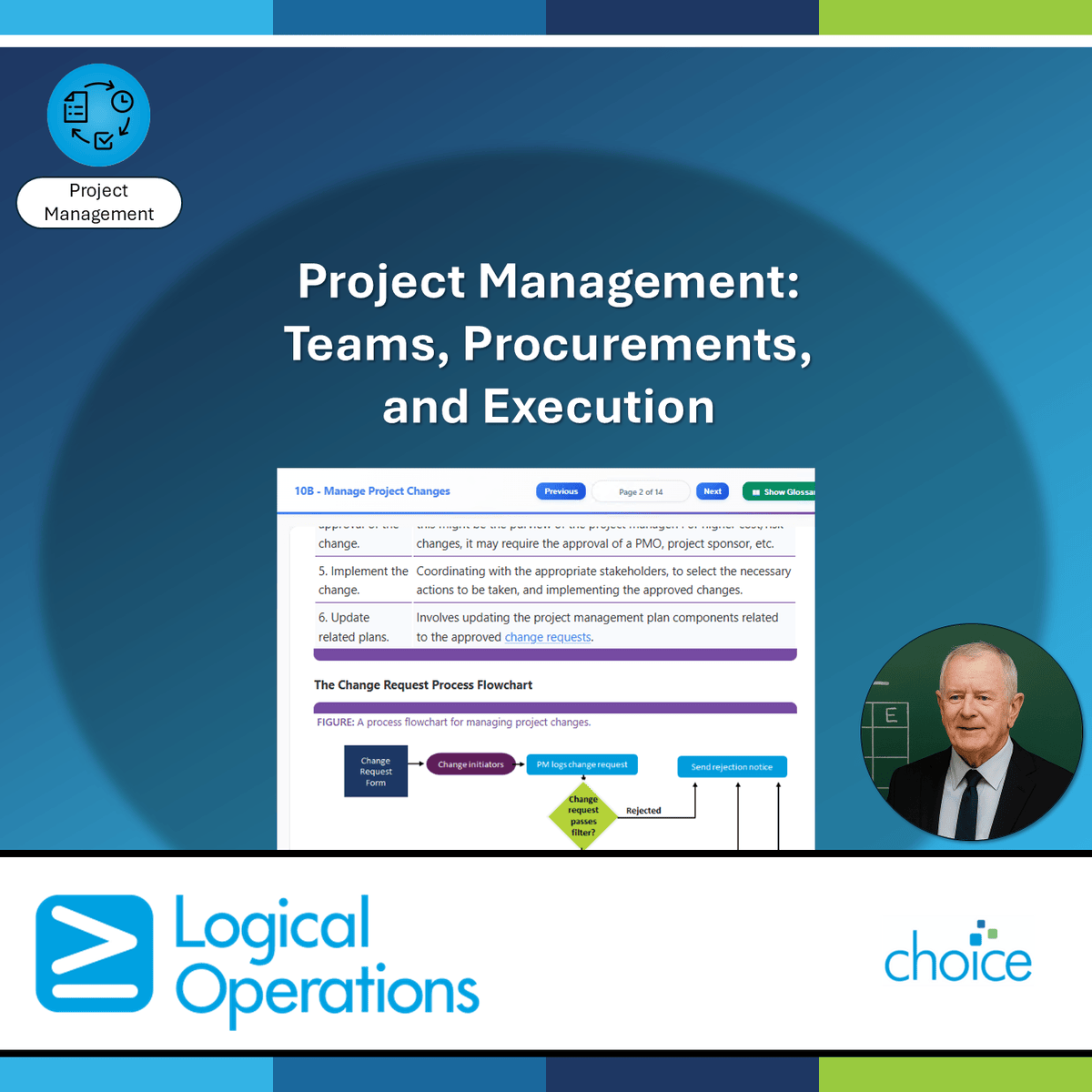
Project Management: Teams, Procurements, and Execution
In this course, you'll continue developing your project management skills by planning your project team, assembling the team, developing the team, and handling conflicts within the team. You'll also plan for project procurements, obtain responses from vendors, and manage vendors. Then, you'll prepare for project execution, manage project changes, and monitor the project scope. This is the third course in a multi-course Specialization. All of the courses in this Specialization require that you have a recent version of Microsoft Word and Excel installed in order to open the course data files. The course setup instructions provided in the first course go into more detail about the hardware and software requirements.
 Alfaisal University | KLD
أساسيات الموازنة التخطيطية الفعالة
تقوم الشركات في نهاية كل عام بإعداد موازناتها التقديرية للعام التالي كي توضح كافة المصروفات المتوقع صرفها في دعم الأغراض التشغيلية والاستثمارية. وتلجأ الشركات إلى هذه العملية بصورة دورية من أجل وضع أهدافها المستقبلية والعمل على تحقيقها من خلال التخطيط للأحداث والعمليات لفترة مالية مستقبلية، ومن ثم تستطيع مراقبة عمليات التنفيذ الفعلي ومقارنتها بالخطط الموضوعة مسبقاً لتحديد الانحرافات والعمل على معالجتها سريعاً. هذه الدورة هي دورة تمهيدية؛ فهي تلقي الضوء على أساسيات الموضوع بشكل عام بهدف التعريف به وبمحاوره الأساسية التي يجب الإلمام بها. إذا كنت من المهتمين بفهم أساليب الموازنة التخطيطية الفعالة، أو كان مجال عملك يتطلب توظيف ذلك في سياق عملك، فهذه الدورة ستكون مثالية لإغناء خبرتك وتطوير مهاراتك بشكل فعال ومؤثر. حيث ستزودك هذه الدورة باطلاع واسع ودقيق على مجموعة من المحاور المتعلقة بهذا الموضوع، مثل: فهم خطوات إعداد الموازنة والعوائق التي تواجهها ومعايير النجاح الأساسية لزيادة فعاليتها، تبيان المبادئ الأساسية التي تستند عليها عمليات إعداد الموازنة، التعرف على المقصود بعملية إعداد الموازنة وأهميتها وأنواعها، استعراض تصنيفات الموازنات وفقاً لعدد من المعايير الأساسية، إيضاح الموازنات الفرعية المتضمنة في الموازنة الشاملة مع توضيح كيفية حسابها بمثال تطبيقي.
 Google Cloud
生成 AI アプリ: 働き方を変革する
「生成 AI アプリで働き方を変革する」は、生成 AI リーダー学習プログラムの 4 つ目のコースです。このコースでは、Gemini for Workspace や NotebookLM など、Google の生成 AI アプリケーションを紹介します。グラウンディング、検索拡張生成、効果的なプロンプトの作成、自動化されたワークフローの構築などのコンセプトについて学びます。
 DeepLearning.AI
Build LLM Apps with LangChain.js
JavaScript is the world’s most popular programming language, and now developers can program in JavaScript to build powerful LLM apps. This course will show webdevs how to expand their toolkits with LangChain.js, a popular JavaScript framework for building with LLMs, and will cover useful concepts for creating powerful, context-aware applications.
 Google Cloud
Serverless Data Processing with Dataflow: Operations en Español
En esta última parte de la serie de cursos de Dataflow, presentaremos los componentes del modelo operativo de Dataflow. Examinaremos las herramientas y técnicas que permiten solucionar problemas y optimizar el rendimiento de las canalizaciones. Luego, revisaremos las prácticas recomendadas de las pruebas, la implementación y la confiabilidad en relación con las canalizaciones de Dataflow. Concluiremos con una revisión de las plantillas, que facilitan el ajuste de escala de las canalizaciones de Dataflow para organizaciones con cientos de usuarios. Estas clases asegurarán que su plataforma de datos sea estable y resiliente ante circunstancias inesperadas.
 AI CERTs
Blockchain for Leaders
Blockchain for Leaders is built for executives, strategists, and decision-makers who need to turn blockchain from a buzzword into a business advantage. This course cuts through complexity to give you a clear view of how blockchain is transforming finance, supply chains, healthcare, and government—while equipping you to lead those changes. You’ll explore the mechanics of blockchain, smart contracts, and decentralized applications, but always through a leadership lens: how they reduce costs, build transparency, and unlock new opportunities. With hands-on exposure to tools like Ganache, Slither, Dune Analytics, and CoinGlass, you’ll learn to evaluate blockchain solutions with confidence and guide teams through adoption. The program also prepares you to navigate the realities—regulation, compliance, risk, and ethics—so you can anticipate challenges before they impact your strategy. Real-world case studies and projects ensure that what you learn can be applied immediately in your role. As blockchain adoption accelerates globally, organizations are seeking leaders who can connect emerging technology to business outcomes. This course ensures you’re ready to do just that.
 Exploratorium
Tinkering Fundamentals: Motion and Mechanisms
The Tinkering Fundamentals course will offer educators and enthusiasts an opportunity to develop a practice of tinkering and making. We see tinkering as a serious endeavor—one that is generalizable across content and especially good at interweaving disciplines in a way that leads to complex projects and individualized learning opportunities. Tinkering has recently been introduced into the educational field as a potential driver of creativity, excitement, and innovation in science learning. It is seen by many as an effective means to engage in exploring STEM concepts, practices and phenomena. Tinkering typically blends the high and low tech tools of science along with a strong aesthetic dimension that supports children’s (and adults’) self expression. NB: This is a hands-on course, so you will need several tools and materials to do weekly activities. You are welcome to purchase only what you don't already have—or even better try to scrounge them from surplus stores! We have put together a list of recommended materials, which you can find here: http://bit.ly/motion-materials For over a decade, the Exploratorium has been developing science-rich tinkering activities for both children and adults. We see tinkering as a fun yet serious endeavor—spanning many disciplines and content areas and fostering connections between art, science, and technology. Learners follow their own path to understanding by investigating tools and materials and exploring questions that interest them. This opens up a wide range of possible answers rather than any specific “right” one, particularly for teaching STEM (Science, Technology, Engineering, Math) subjects in the classroom. This course centers on activities related to Motion and Mechanisms, which offer a wealth of opportunities for thinking through making. In this course, we won’t just show you how we develop tinkering activities; we’ll also delve into why. We’ll focus on three important aspects: activity design around specific materials, facilitation strategies, and environmental organization. We’ll also share some guiding principles and learning indicators we’ve developed that can help you integrate tinkering into your elementary and middle-school science program. Whether you’re new to making or a seasoned tinkerer, we hope this course will help you take the next step! OUR APPROACH TO TEACHING This is a hands-on workshop, not a lecture-based class. Participation is essential! We want everyone to be making and tinkering together: trying things out, asking questions, sharing ideas, and reflecting together as a community. This is a wonderful chance to tinker and learn alongside people from all over the world and from all walks of life, so don’t be shy! PLEASE NOTE: We have put a great deal of effort towards creating a supportive space that encourages exploration. We’ll give you a few ways to get started; prompt you to share your own observations and experience as learners, designers, and facilitators; and hopefully spark interesting conversations and discoveries along the way. While it’s not a requirement, we encourage you to take this class with a friend or colleague, or meet with other people in your area: having support or doing activities with others will enhance your experience and help you stay engaged. This project was funded by generous support from Overdeck Family Foundation and the National Science Foundation.