

The Global Scholarly Directory.
Discover world-class academic programs curated for the modern intellectual. Search through 19877+ degrees and professional certificates.
 Coursera
TMMi Foundation Certification Prep Course
TMMi Foundation Certification Prep Course is a beginner-friendly program designed for QA professionals, test managers, and anyone new to structured test process improvement. Whether you're looking to understand industry best practices or preparing for the official TMMi Foundation certification, this course provides the essential knowledge and context you need to get started. You’ll explore the TMMi model structure, its five maturity levels, and key process areas like test planning, monitoring, and defect prevention. Using real-world examples and interactive discussions, you'll see how TMMi supports scalable, high-quality test practices across teams and projects. By the end of the course, you'll be able to map testing challenges to TMMi principles and confidently approach the certification exam with a practical understanding of test maturity models.
 EDUCBA
Analyze and Predict Card Purchases Using R
By the end of this course, learners will be able to analyze customer data, evaluate predictive features, build and optimize classification models, and assess model performance to accurately predict card purchase behavior using R. Learners will develop practical skills in logistic regression and decision tree modeling while applying industry-relevant evaluation techniques. This hands-on, project-based course guides learners through a complete predictive modeling workflow using a real-world card purchase use case. Starting with data import and feature assessment using Information Value, learners progress through visualization, data preparation, and model development. The course emphasizes model evaluation through lift charts, ROC analysis, and testing on unseen data, ensuring learners understand not just how to build models, but how to validate and trust them. Learners also gain experience saving and reusing trained models, a critical skill for real-world deployment. What makes this course unique is its strong focus on practical decision-making, model interpretability, and end-to-end implementation in R. By completing this course, learners strengthen their analytical thinking and gain job-ready skills applicable to roles such as data analyst, marketing analyst, and risk analyst.
 Voxy
Voxy
Low Intermediate English: Personal Growth & Well-Being
In this course, you will learn important language for talking about nutrition, health, sleep, stress, goal-setting, and more. Learning activities in this course will take place on Voxy, an engaging language learning platform that automatically adapts to your current level and your performance across reading, listening, speaking, grammar, and vocabulary skills so that every lesson is optimized for rapid improvement. Each week is made up of engaging, short, task-based lessons that can be done anywhere, anytime. Lessons include content from the real world, so you will learn from real conversations and emails between friends and colleagues exchanging advice and tips about wellness. By the end of the course, you will be able to describe how you grow and stay well, both at work and in your own time.
 Fundação Instituto de Administração
Medindo o Marketing Digital
Nossas boas-vindas ao Curso Medindo o Marketing Digital. Neste curso, você aprenderá sobre um ponto central do Marketing Digital: a mensuração. Grande parte da contribuição do Marketing Digital para as estratégias da empresa são as diversas possibilidades de testes, mensuração e acompanhamento das atividades organizacionais no contexto digital. Ao final deste curso, você será capaz de colocar em prática diversas atividades de mensuração que permitem acompanhar de forma adequada o desempenho das atividades de marketing digital. Este curso é composto por quatro módulos, disponibilizados em semanas de aprendizagem. Cada módulo é composto por vídeos, leituras e testes de verificação de aprendizagem. Ao final de cada módulo, temos uma avaliação de verificação dos conhecimentos. Estamos muito felizes com sua presença neste curso e esperamos que você tire o máximo de proveito dos conceitos aqui apresentados. Bons estudos!
 Coursera
Data Analysis in Python: Using Pandas DataFrames
This Guided Project Data Analysis in Python: Using Pandas DataFrames is for those who are interested in using python for data science in practice. In this 90-minute Guided Project, learn how to import and visualize an IMDb data set in Pandas. You will learn how to import JSON data into a Pandas Dataframe and apply the data preparation process to ensure the data is ready for analysis. To achieve this, we will explore the famous IMDb Movies dataset. We will start with importing our JSON data into a Pandas data frame. After applying some data preparation steps such as dropping and renaming some columns, we are going to start our data analysis by answering some analytical questions about the dataset. This Guided Project is unique as it focuses on how to use Pandas functions to filter, clean, aggregate, and visualize data. In order to be successful in this project, you will need to have basic knowledge of the python programming language. basic Python syntax, simple Python operators, and Python control structures are the main prerequisite of this guided project.
 Coursera
Brand Logos for Digital Impact
Master the visual foundation that drives digital marketing success! Did you know that consistent brand presentation across all platforms can increase revenue by up to 23%? This Short Course was created to help digital marketing professionals accomplish brand consistency excellence that builds trust and drives engagement. By completing this course, you'll be able to confidently distinguish between symbolic and typographic brand marks, systematically review digital assets against established brand standards, and ensure every piece of content reinforces your brand identity. You'll master the practical skills to audit social media posts, identify brand guideline violations, and maintain visual consistency across all digital touchpoints. By the end of this course, you will be able to: • Explain the distinction between symbolic and typographic brand marks • Apply brand guidelines to verify correct asset usage in digital content This course is unique because it combines foundational brand knowledge with hands-on digital audit techniques that you can immediately apply to any marketing campaign or content review process. To be successful in this course, you should have basic familiarity with digital marketing platforms and brand concepts.
 Fractal Analytics
Human Decision Making and its Biases
This course discusses the biases and limitations of the human brain ,strategies to overcome these biases, and critically analyzes data while making decisions and recommendations. Analyzing data effectively and objectively is a long journey and the first step is to be aware of these biases, prejudices and perceptions. By the end of this course, you would develop a deep understanding of the biases that affect human decision making and the methodologies to apply in countering these biases. You will also be equipped with frameworks for effective decision-making. Enroll in this course to uncover the intricacies of human decision making and embark on an exploration of human decision making. No previous experience required
 Coursera
Organize Content Smartly
By the end of this course, you’ll be able to organize information using clear hierarchies and purposeful links, and assess whether an existing structure serves users based on feedback and accessibility needs. You’ll move from maintaining pages to designing content systems that scale, support intuitive navigation, and build user trust. In this course, you’ll learn how content structure shapes how people find information, collaborate, and make decisions. You’ll practice building parent–child hierarchies and linking patterns that reduce “where is this?” friction. You’ll then shift into diagnosis: using realistic scenarios, you’ll interpret NPS scores and usability signals to pinpoint structural breakdowns and prioritize improvements. This course requires basic familiarity with Confluence. It emphasizes decision-making over tool-specific workflows. You’ll practice thinking like someone accountable for a shared knowledge space, weighing trade-offs, accessibility constraints, and downstream impact.
 Microsoft
Generative AI for Data Science
Did you know Generative AI can enhance data accuracy and operational efficiency in data science? This Short Course was created to help data scientists and AI enthusiasts unlock the full potential of Generative AI in their data-driven projects. Within this 3-hour-long commitment, you will learn how to explore and leverage GenAI applications, identify key use cases like data augmentation and anomaly detection, and analyze crucial data security and privacy issues. By completing this course, you'll be able to apply advanced AI techniques to real-world data challenges, ensuring your projects are both innovative and ethically sound. Blending cutting-edge AI technology with practical, industry-specific applications makes this course unique. To be successful in this project, you will need a solid foundation in Python, basic machine learning principles and an understanding of fundamental data science concepts.
 University of Washington
Machine Learning Foundations: A Case Study Approach
Do you have data and wonder what it can tell you? Do you need a deeper understanding of the core ways in which machine learning can improve your business? Do you want to be able to converse with specialists about anything from regression and classification to deep learning and recommender systems? In this course, you will get hands-on experience with machine learning from a series of practical case-studies. At the end of the first course you will have studied how to predict house prices based on house-level features, analyze sentiment from user reviews, retrieve documents of interest, recommend products, and search for images. Through hands-on practice with these use cases, you will be able to apply machine learning methods in a wide range of domains. This first course treats the machine learning method as a black box. Using this abstraction, you will focus on understanding tasks of interest, matching these tasks to machine learning tools, and assessing the quality of the output. In subsequent courses, you will delve into the components of this black box by examining models and algorithms. Together, these pieces form the machine learning pipeline, which you will use in developing intelligent applications. Learning Outcomes: By the end of this course, you will be able to: -Identify potential applications of machine learning in practice. -Describe the core differences in analyses enabled by regression, classification, and clustering. -Select the appropriate machine learning task for a potential application. -Apply regression, classification, clustering, retrieval, recommender systems, and deep learning. -Represent your data as features to serve as input to machine learning models. -Assess the model quality in terms of relevant error metrics for each task. -Utilize a dataset to fit a model to analyze new data. -Build an end-to-end application that uses machine learning at its core. -Implement these techniques in Python.
 Whizlabs
NVIDIA: LLM Experimentation, Deployment, and Ethical AI
NVIDIA: Advanced LLM Experimentation, Deployment, and Ethical AI is the sixth course in the Exam Prep (NCA-GENL): NVIDIA-Certified Generative AI LLMs - Associate Specialization. This course equips learners with advanced knowledge on experimenting with Large Language Models (LLMs), optimizing them for deployment, and understanding the ethical considerations in AI systems. The course covers key topics such as hyperparameter tuning, A/B testing, version control, and NVIDIA tools like BioNeMo, Triton, and TensorRT. Learners will also gain insights into optimizing AI workflows using cuOpt, NGC, and Merlin. Ethical AI principles, data privacy, and minimizing bias are emphasized to ensure trustworthiness in AI systems. Course Structure: The course is divided into three modules, each containing lessons and video lectures. Learners will engage with approximately 4:30-5:00 hours of video content, combining both theory and hands-on practice. Each module is complemented with quizzes to assess comprehension and reinforce learning. Module 1: Experimentation and Hyperparameter Tuning Module 2: NVIDIA AI Services and Optimization Module 3: Ethical AI and Trustworthiness By the end of this course, learners will be able to: - Experiment with LLMs using hyperparameter tuning and A/B testing. - Apply version control and optimize AI workflows with NVIDIA tools like BioNeMo, Triton, and TensorRT. - Understand ethical AI principles, data privacy, and methods to minimize bias and enhance AI trustworthiness. This course is ideal for AI researchers, developers, and practitioners looking to enhance their skills in LLM experimentation, optimization, and ethical AI.
 EDUCBA
Machine Learning with Python: Case Studies
Learners completing this course will be able to apply regression, clustering, classification, and feature engineering techniques to real-world datasets, evaluate models with performance metrics, and visualize results for actionable insights. Through hands-on case studies, learners will not only understand algorithms but also gain the ability to prepare data, train models, and interpret outputs effectively. This course stands out by combining practical projects with step-by-step implementation using Python. Instead of focusing on theory alone, it demonstrates machine learning through applied case studies such as salary prediction, startup cost analysis, time series forecasting, face detection, fruit classification, and credit card default prediction. Learners benefit from structured progression—starting with foundational regression models, advancing through clustering and classification, and culminating in financial credit risk modeling with advanced evaluation techniques. By the end of the course, participants will confidently execute machine learning workflows in Python, analyze diverse datasets, and apply predictive models to solve real-world business and research problems. This unique emphasis on project-driven learning ensures that learners develop both technical expertise and problem-solving skills valued in today’s data-driven industries.
 SkillUp
Using GenAI in Modern Software Development
In today’s fast-evolving software landscape, success increasingly relies on the ability to integrate AI tools strategically throughout the development lifecycle. This course teaches developers how to use generative AI to analyze, enhance, and streamline software workflows. Building on foundational coding and AI concepts, you’ll learn to use generative AI as both a decision-making aid and a practical coding assistant. The course emphasizes real-world applications, guiding you to analyze unfamiliar code, evaluate frameworks, and create documentation with the support of AI tools. Through hands-on experience with platforms like GitHub Copilot and ChatGPT, you’ll gain the skills to integrate AI tools into everyday development tasks. This course is designed for developers who want to improve coding practices using generative AI tools. By the end of the course, you’ll be equipped to apply AI-powered solutions that elevate your coding practices and development processes. Enroll today to gain valuable, future-ready development insights.
 Universidad Austral
Desarrollo del lado servidor: NodeJS, Express y MongoDB
En este curso trabajarás del lado servidor, en el backend, desarrollando el soporte que toda aplicación necesita para lidiar con la persistencia de la información, el setup de un servidor web, la creación de una API REST, autenticación y autorización, y la integración de librerías de terceros. Utilizarás Express para el servidor web, y una base de datos NoSQL orientada a documentos: MongoDB. Aprenderás de ODM con Mongoose y harás las típicas tareas CRUD sobre Mongo. Finalmente pondrás productivo tu sitio en Heroku.
 LearnQuest
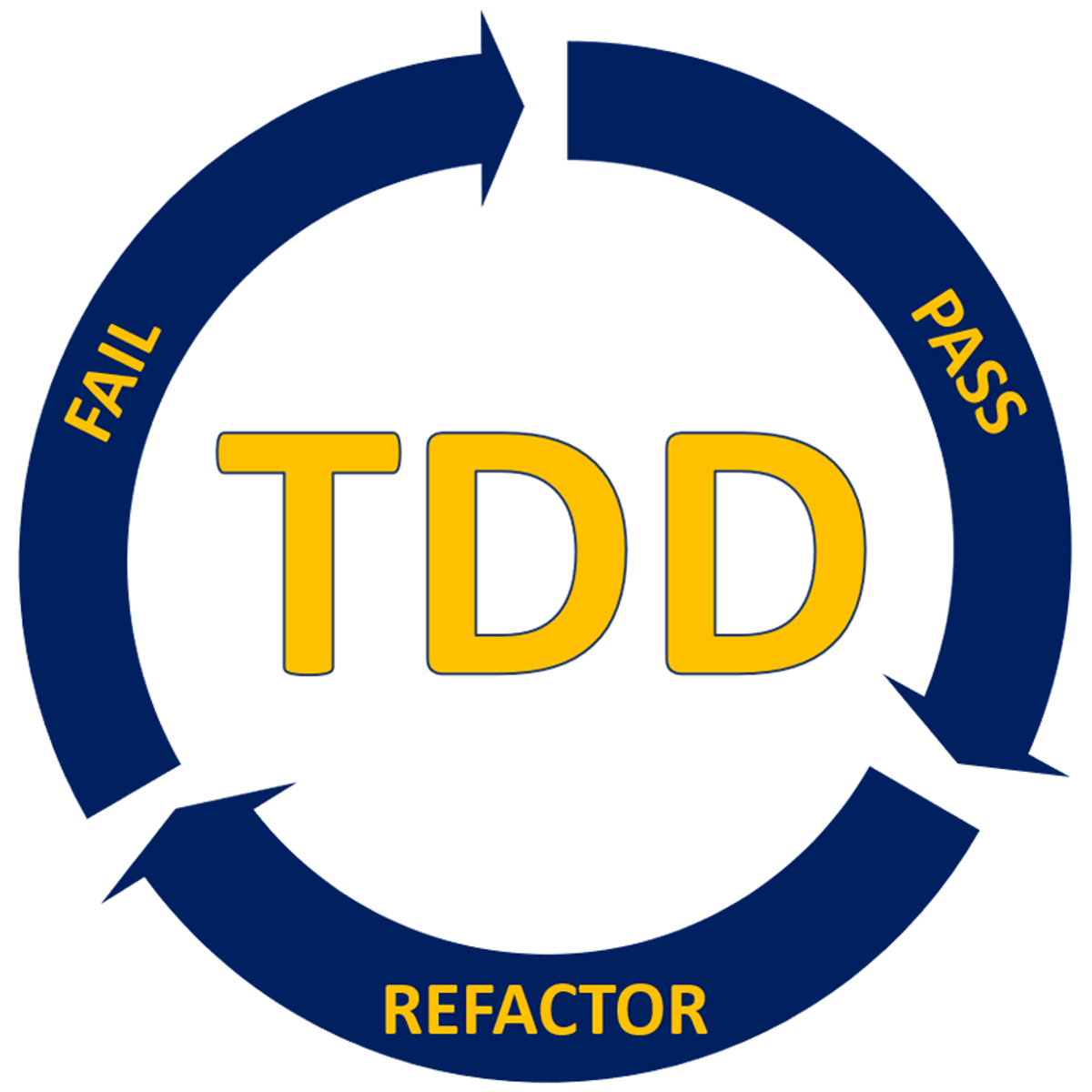
Integrating Test-Driven Development into Your Workflow
In this course we will discuss how to integrate best practices of test-driven development into your programming workflow. We will start out by discussing how to refactor legacy codebases with the help of agile methodologies. Then, we will explore continuous integration and how to write automated tests in Python. Finally, we will work everything we've learned together to write code that contains error handlers, automated tests, and refactored functions.
 EDUCBA
Apply Generative AI for Effective Recruiting & Hiring
Learners will be able to explain the role of Generative AI in modern recruiting, apply AI-powered tools to optimize hiring workflows, analyze candidate data more effectively, and evaluate ethical, legal, and inclusive hiring practices supported by AI. This course equips HR professionals, recruiters, talent acquisition leaders, and business managers with practical knowledge to leverage Generative AI across the end-to-end recruiting and hiring lifecycle. Learners will gain hands-on insights into how AI can streamline sourcing, referrals, screening, assessments, and employer branding while maintaining human judgment and compliance. By completing this course, learners will be able to design smarter hiring pipelines, improve candidate experience, reduce bias through structured evaluations, and make data-driven hiring decisions with confidence. The course emphasizes real-world applications, responsible AI use, and collaboration between AI systems and human recruiters—ensuring technology enhances, rather than replaces, strategic decision-making. What makes this course unique is its balanced focus on both innovation and responsibility. It not only demonstrates how Generative AI improves efficiency and scalability but also addresses diversity, inclusion, transparency, and legal considerations critical to modern hiring. Learners finish the course ready to apply AI ethically and effectively in real recruitment scenarios.